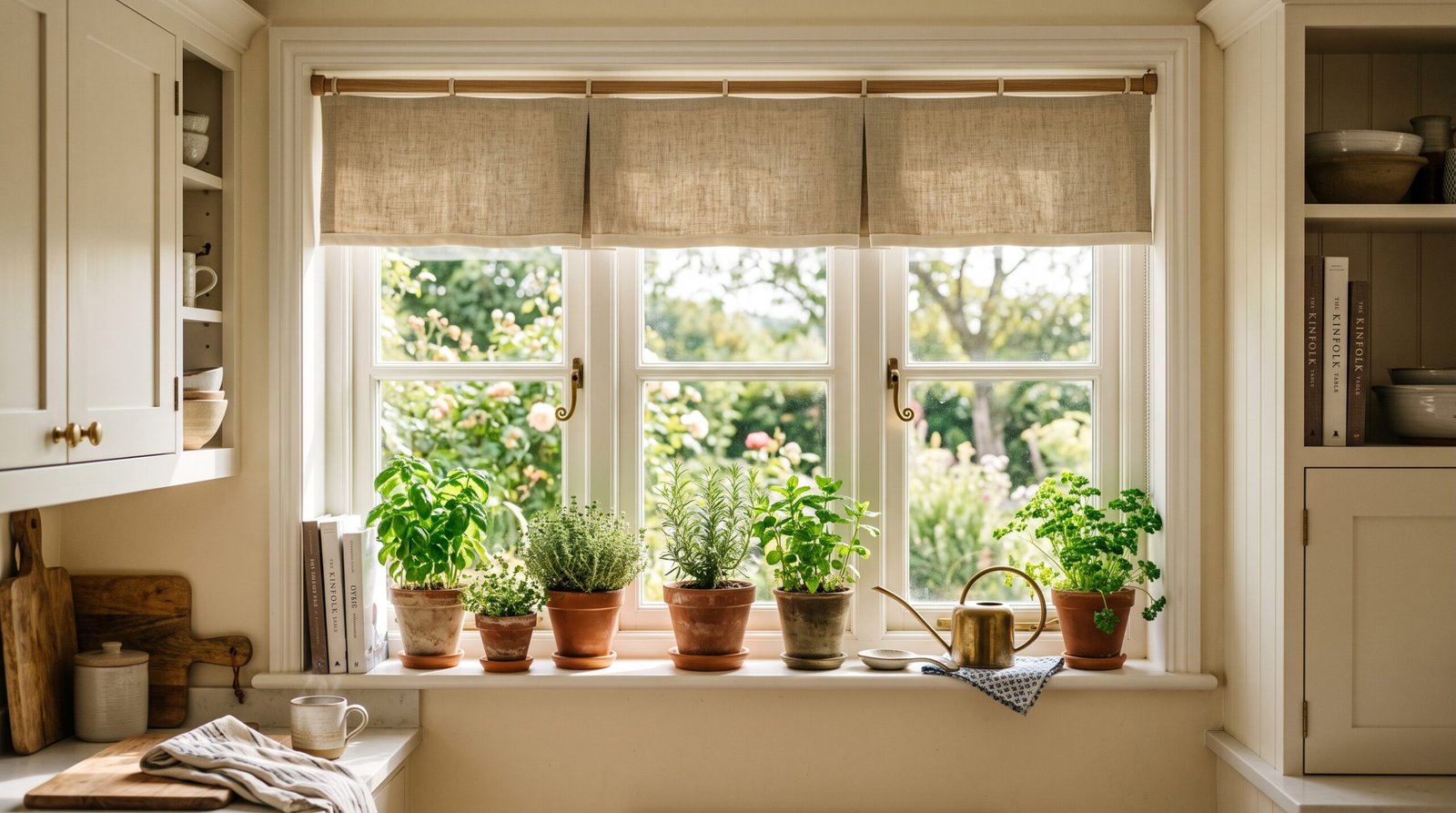
Valances are one of those details that get overlooked until a kitchen renovation is nearly finished and the window still looks bare. Done well, a valance softens a hard window line, hides curtain hardware, and adds a hit of pattern or color — all without eating into counter light the way full curtains can. Done badly, it reads as dated in about the same way a swagged 1990s valance does.
Here are 12 directions that keep the idea useful instead of fussy.
1. The Simple Linen Box Valance
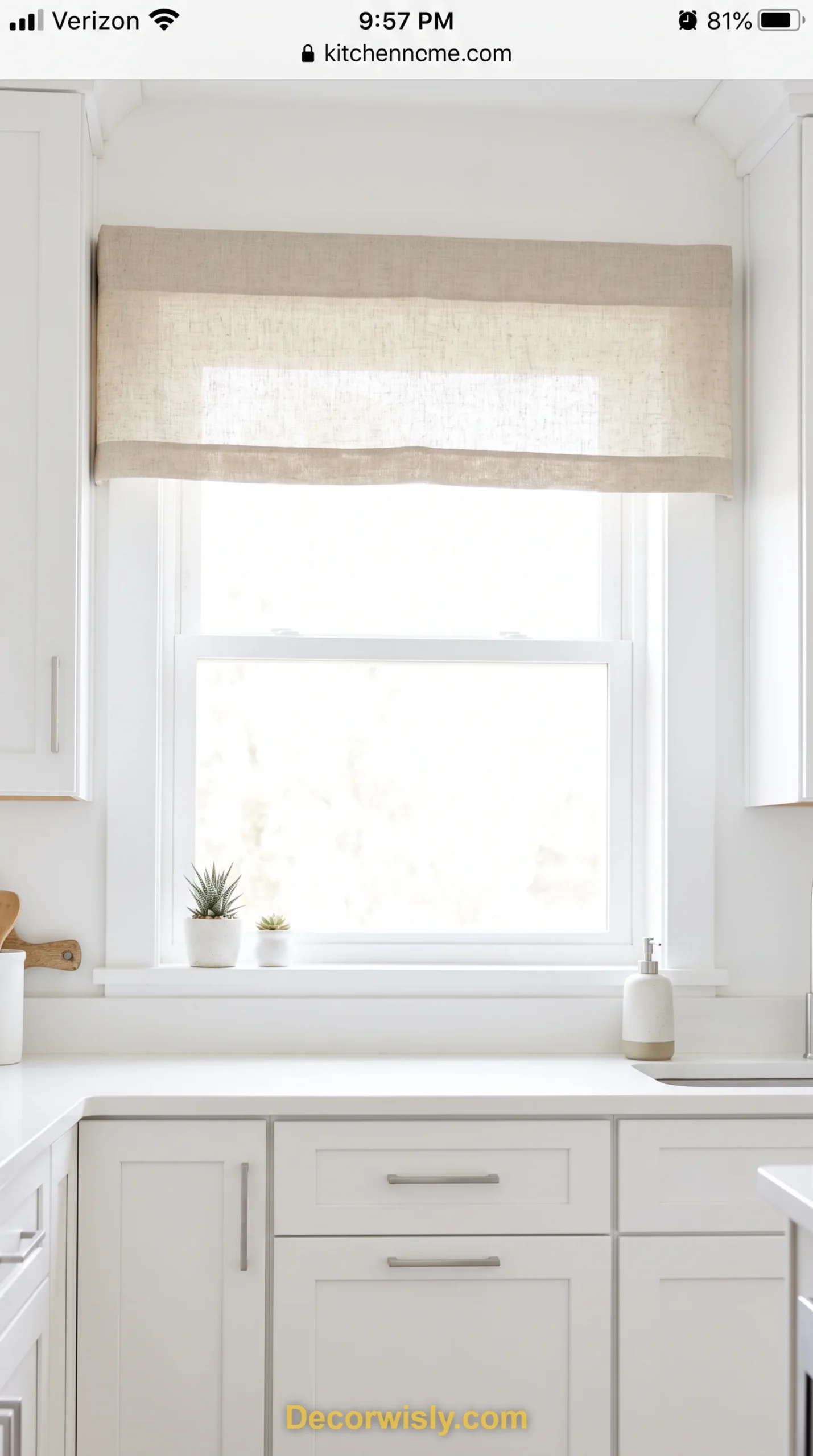
A clean, straight-edged box valance in natural linen is close to foolproof — it hides the curtain rod, adds texture, and doesn’t compete with anything else happening in the kitchen.
2. The Bold Botanical Print
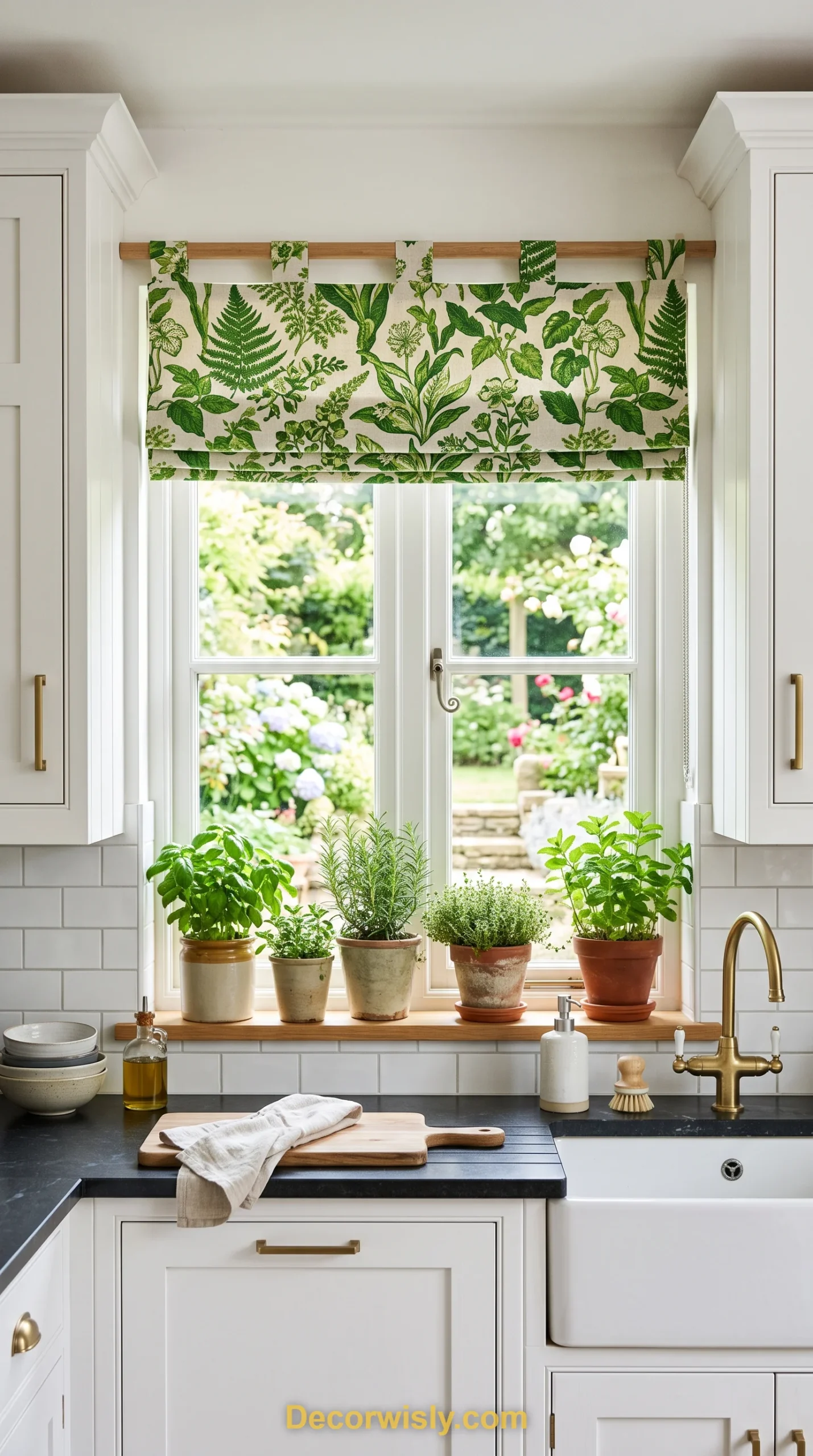
A valance is a small enough piece of fabric that it can handle a print too busy for full curtains — a bold botanical or leaf pattern here adds personality to a kitchen without overwhelming the room.
3. The Café Curtain Pairing
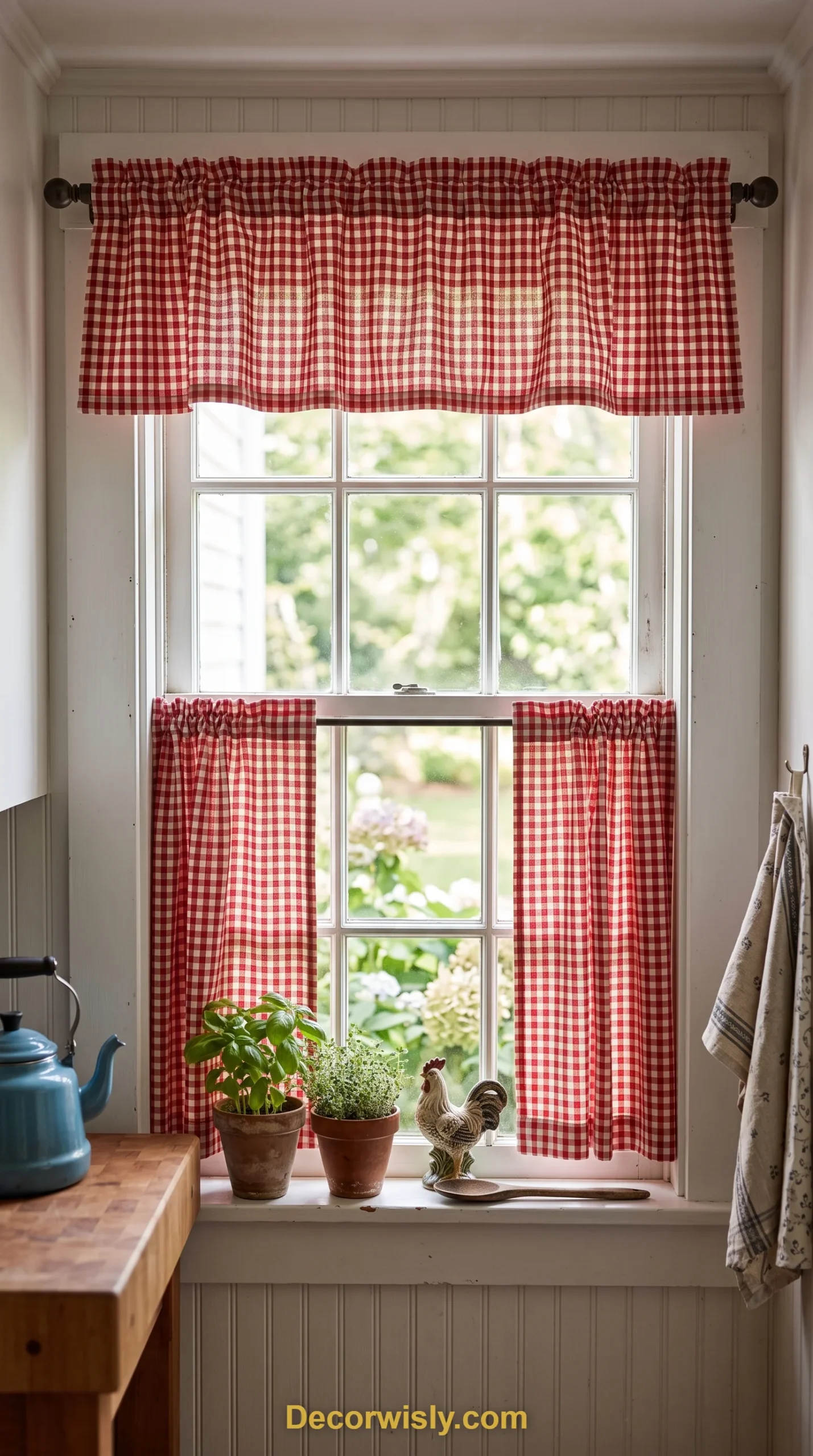
Pairing a short valance up top with a café curtain covering just the lower half of the window gives privacy at counter height while keeping the upper window open to light — a practical combination for street-facing kitchen windows.
4. The Wood Cornice Board
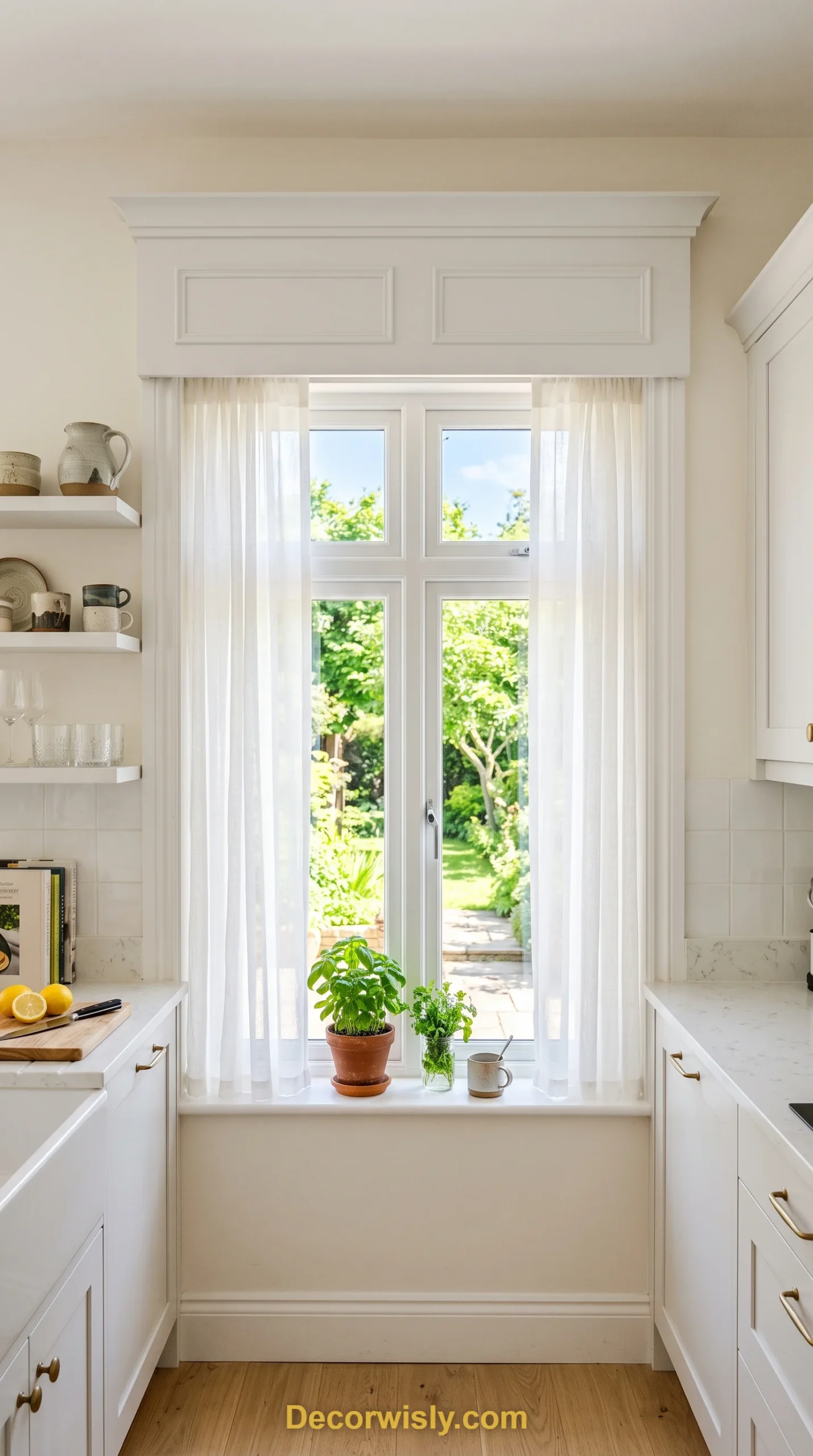
For a more architectural, less fabric-heavy look, a painted or stained wood cornice board mounted above the window does the same job as a soft valance — hiding hardware and adding a frame — with cleaner lines.
5. The Scalloped Edge Valance
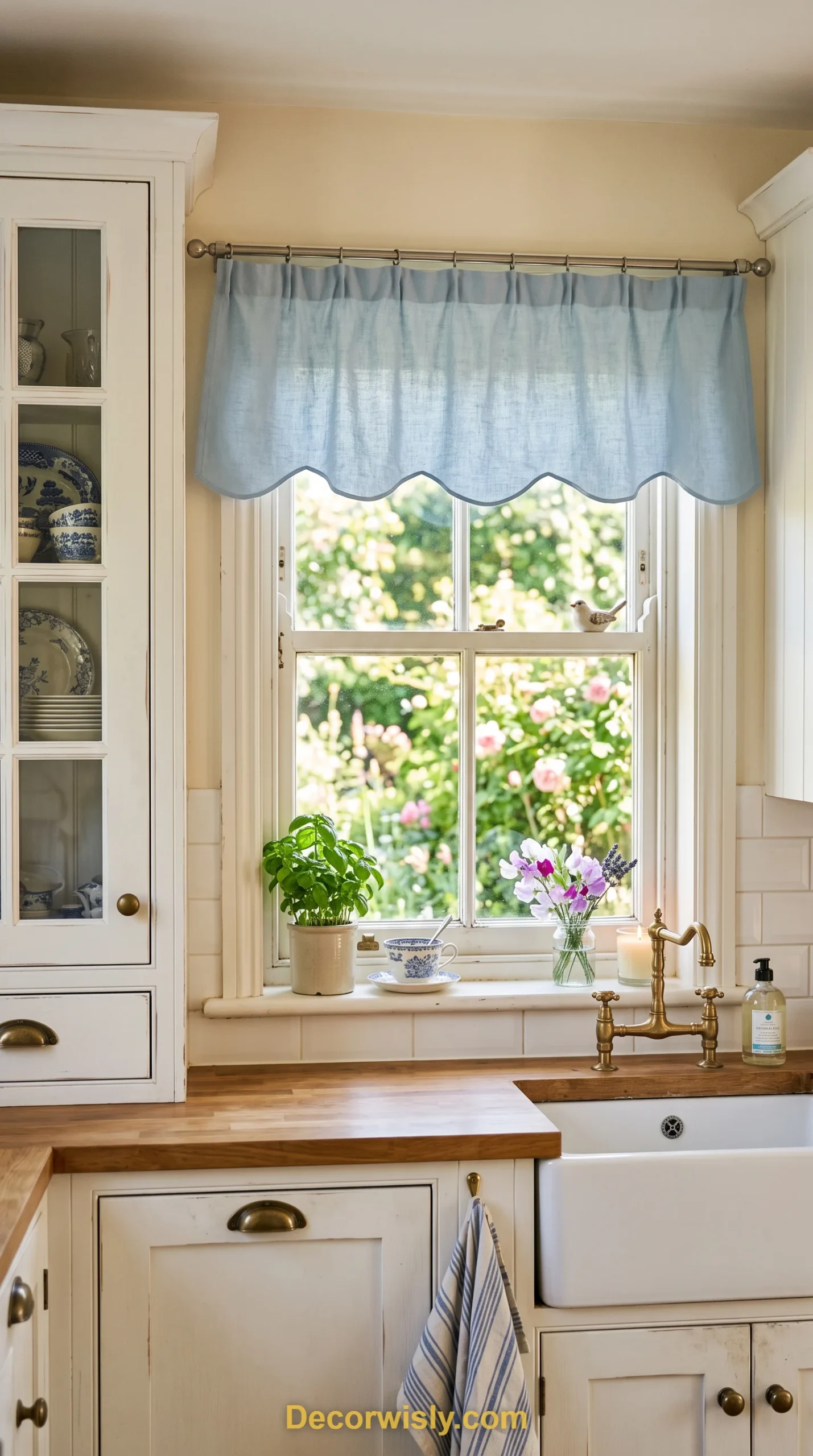
A scalloped or wave-edge hem adds a soft, slightly vintage detail to an otherwise plain valance — a small design move that keeps a simple fabric panel from looking flat.
6. The No-Sew Tension Rod Valance
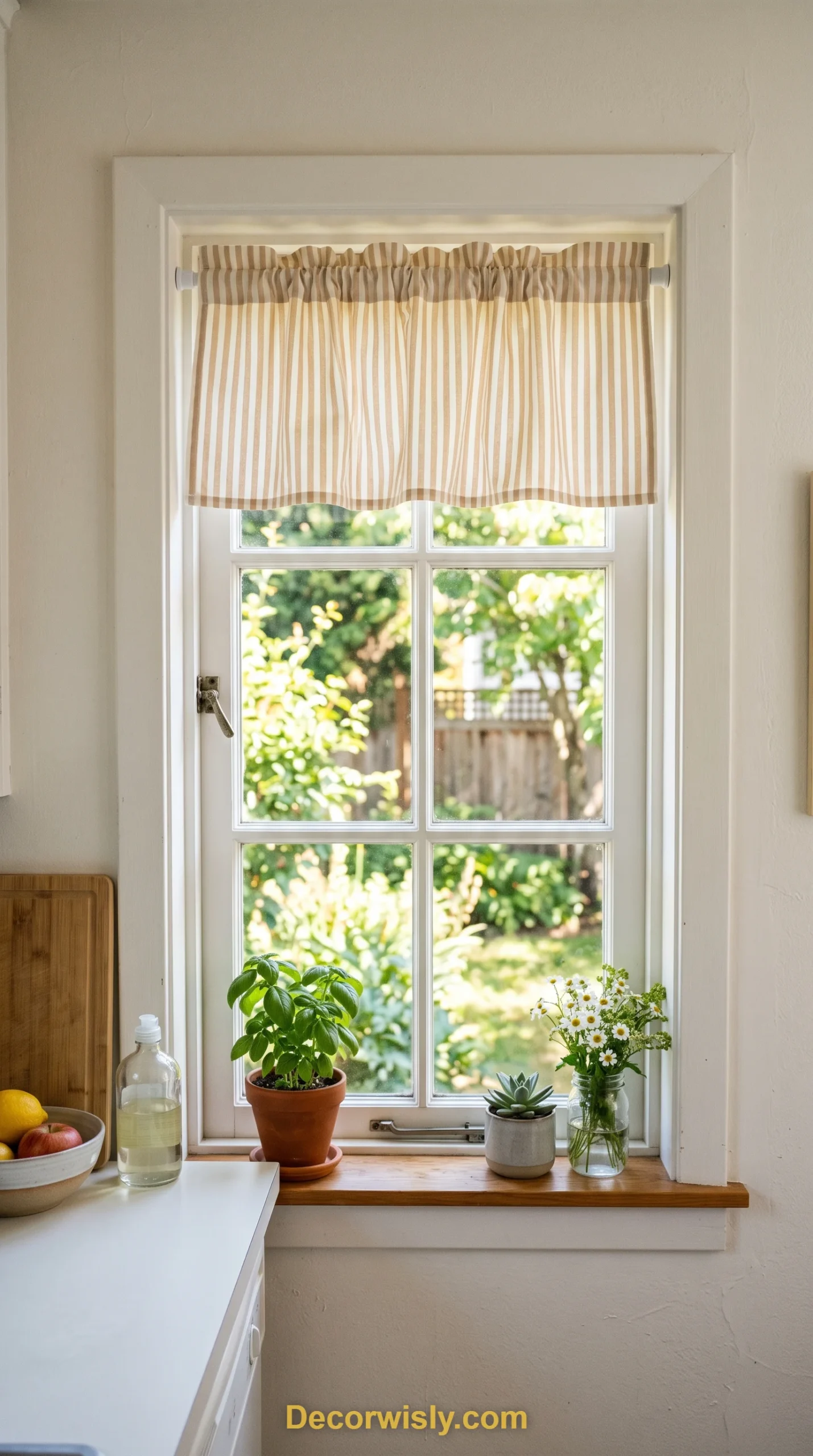
For renters or anyone who doesn’t want to commit to hardware, a tension-rod-mounted valance requires no drilling and can be swapped out in minutes — a genuinely low-effort way to test the idea before committing.
7. The Bamboo Roman Valance
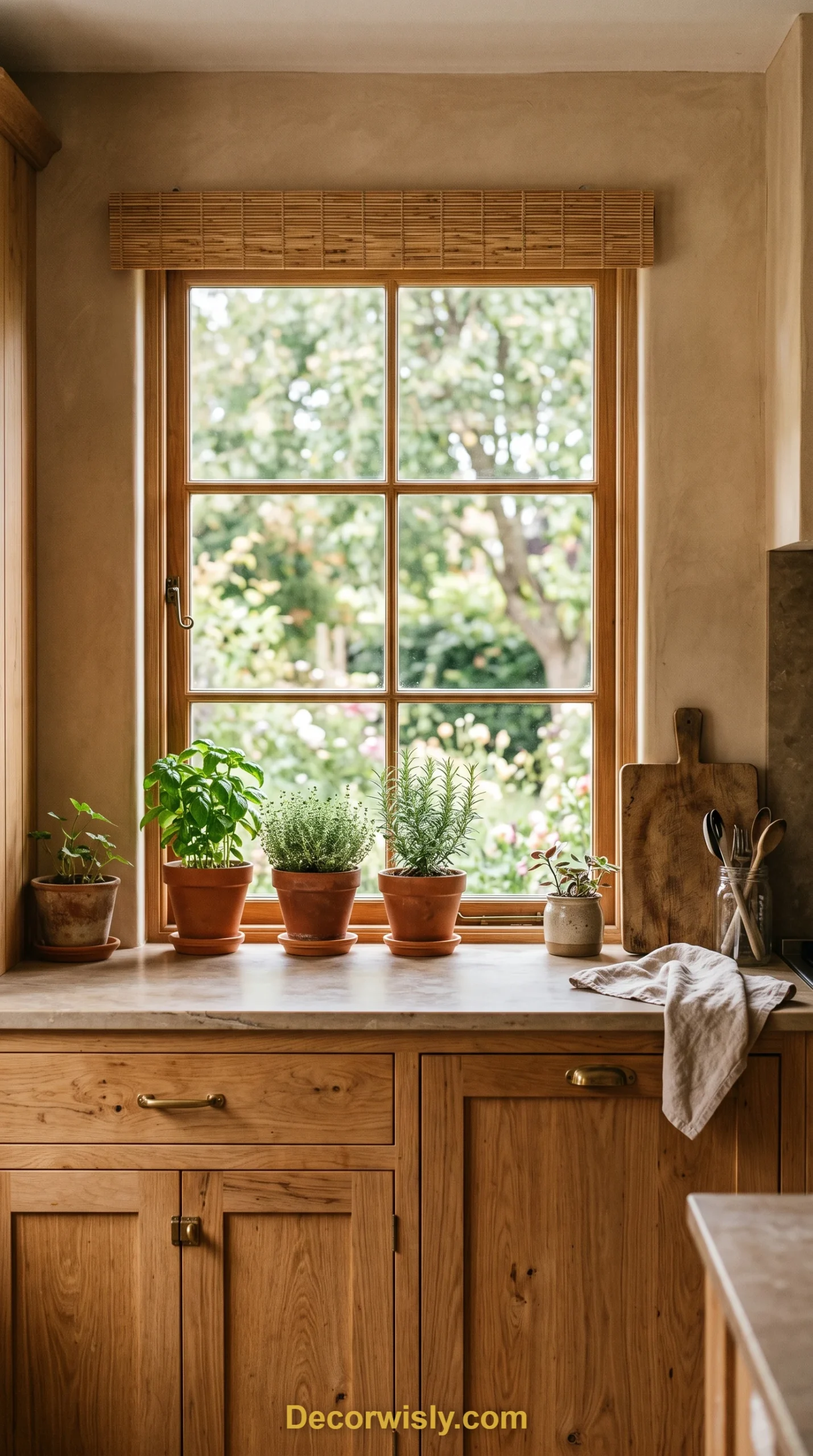
A short bamboo or woven roman shade, stopped well above the sill and left permanently raised, functions purely as a valance — adding natural texture without ever needing to be lowered.
8. The Matching-to-Backsplash Valance
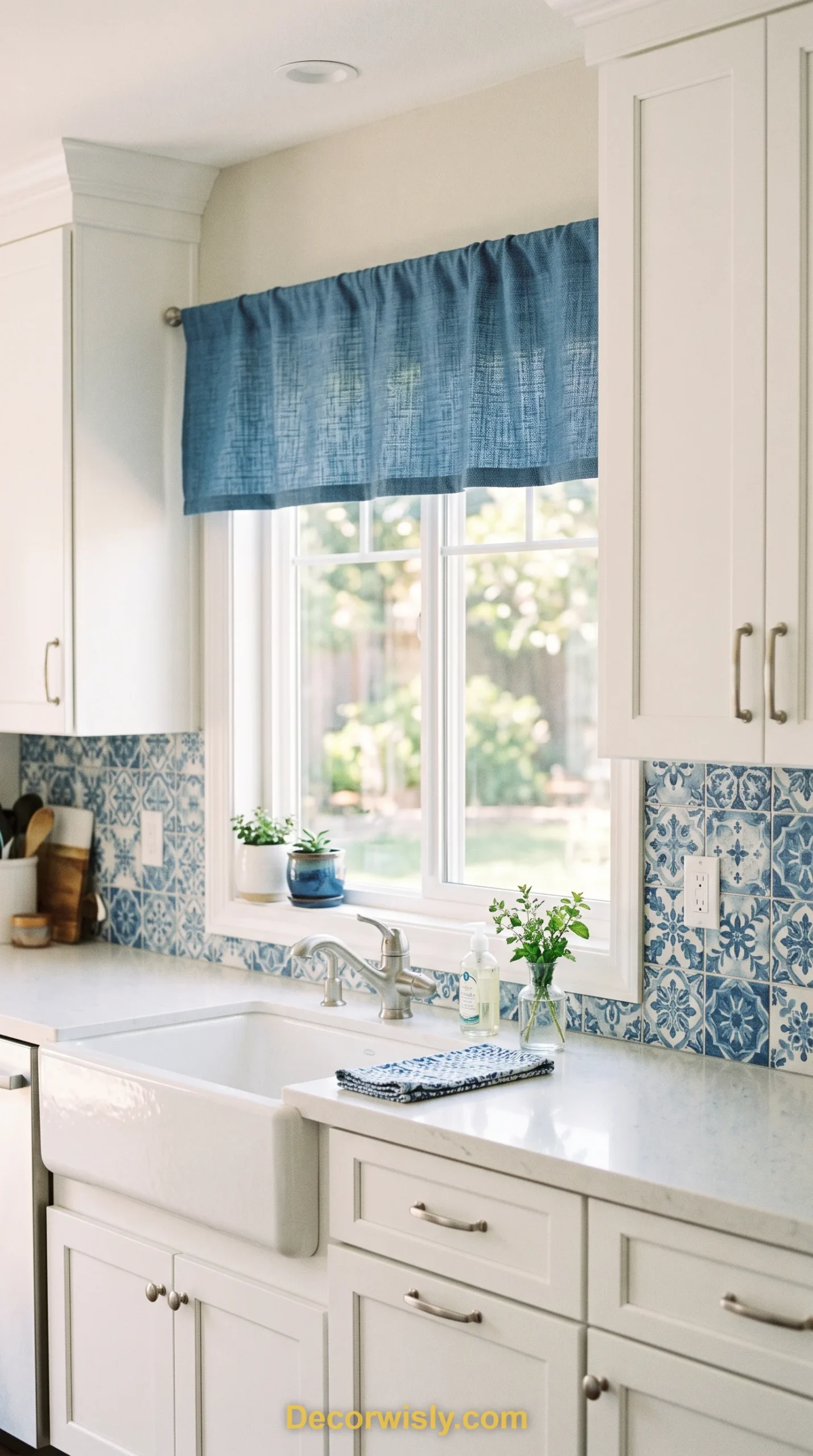
Choosing a valance fabric that echoes a color from the tile backsplash — rather than matching the cabinetry — ties the window into the working part of the kitchen instead of treating it as a separate decorating decision.
9. The Pleated Tailored Valance
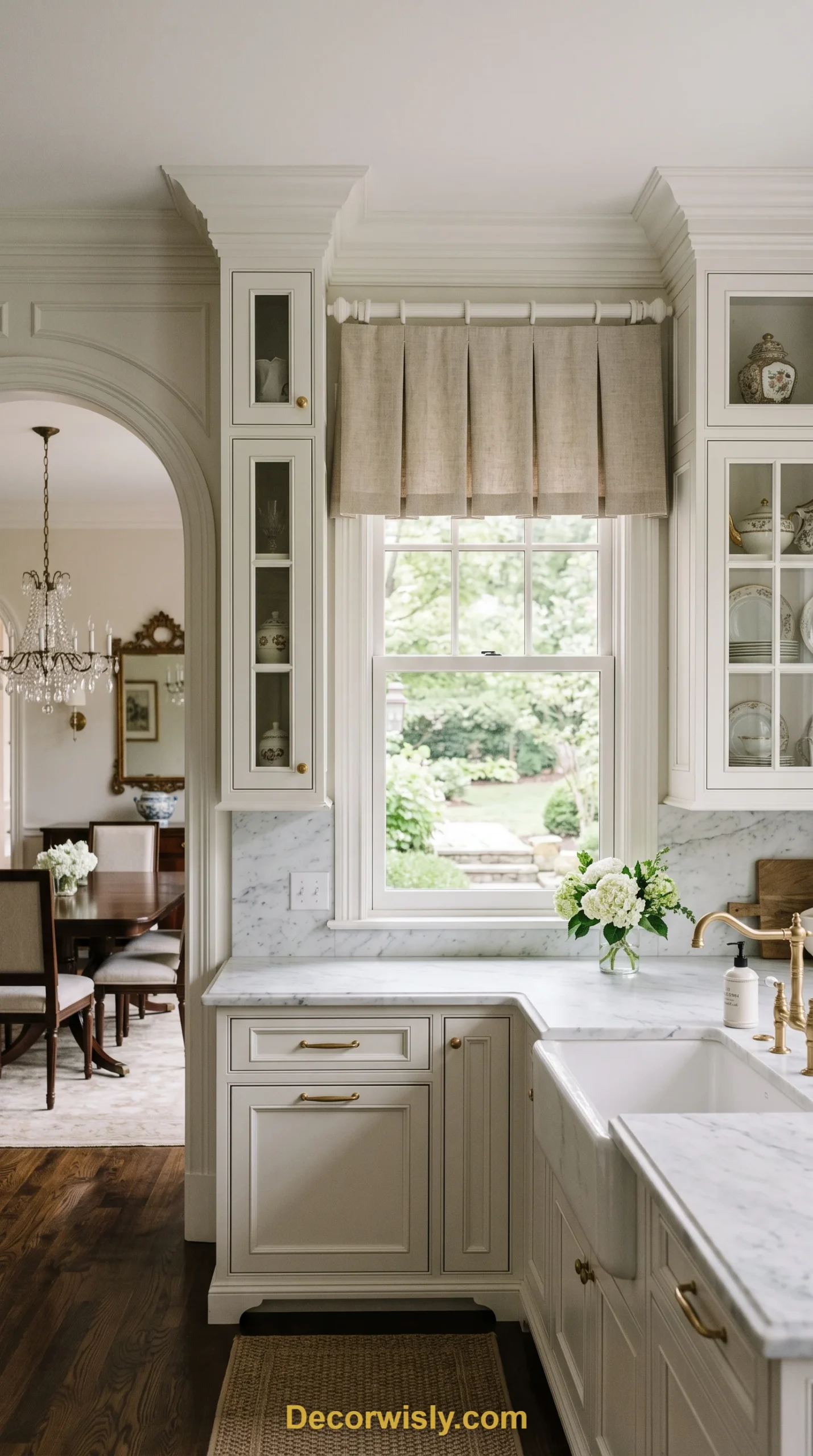
Structured box pleats give a valance a more tailored, formal look than a gathered or ruffled style — a good fit for kitchens with more traditional cabinetry and trim work.
10. The Mini Curtain-and-Tieback Valance
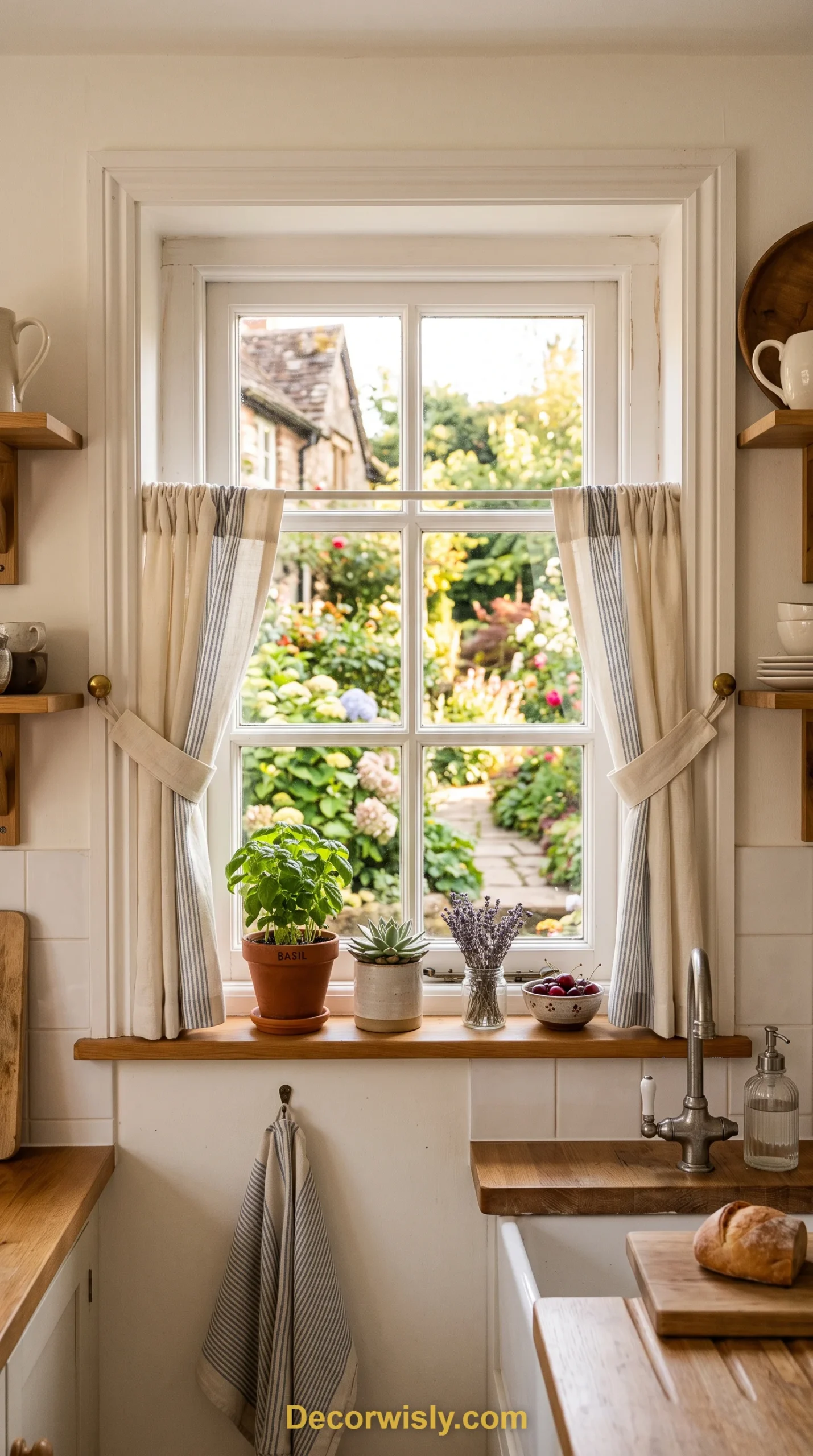
A short curtain panel on each side of the window, pulled back with a simple tieback, creates a valance-like frame using ordinary curtain panels rather than a dedicated valance piece — an easy option if matching curtains already exist elsewhere in the house.
11. The Patterned Trim Detail
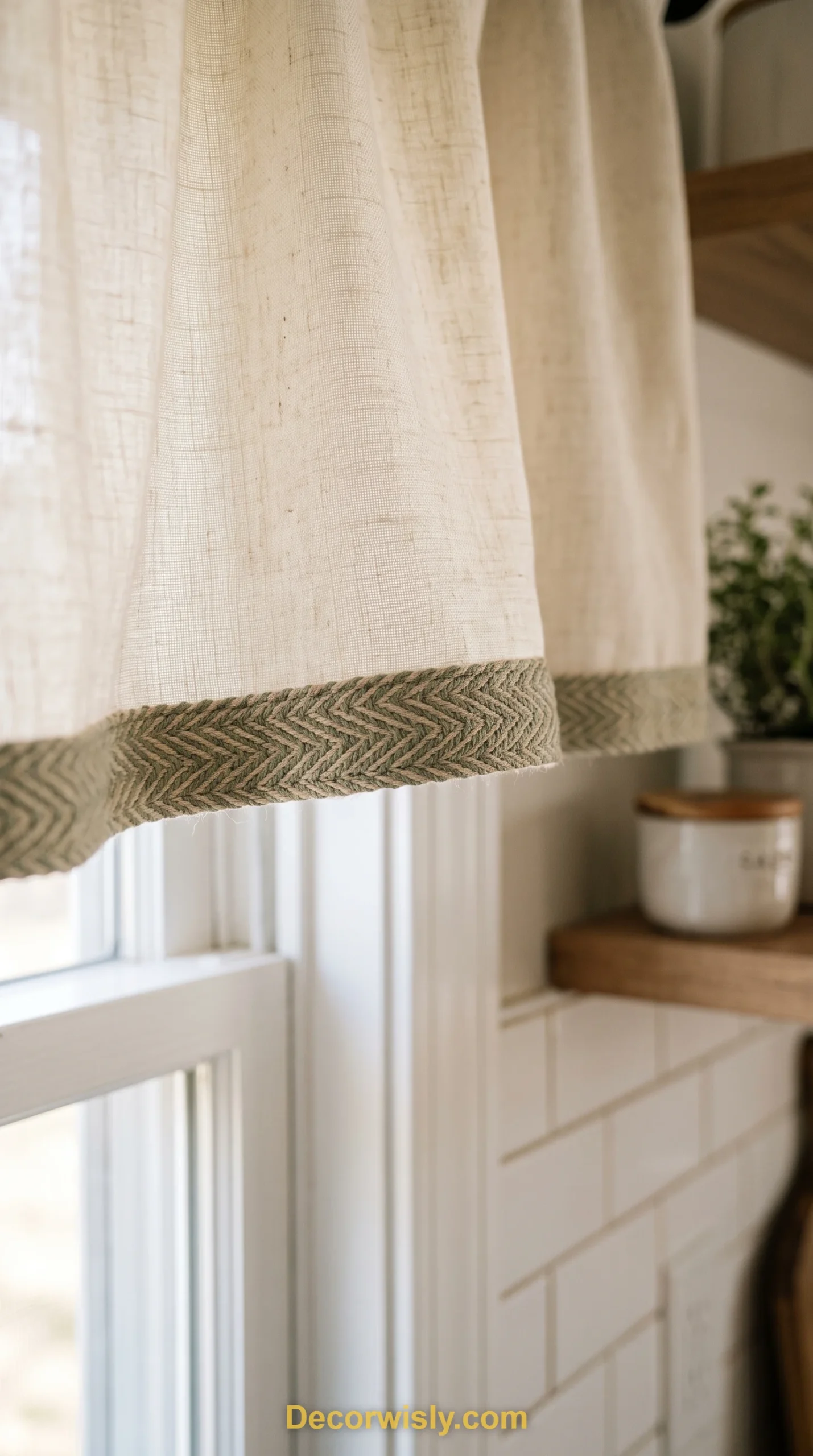
A plain valance with a single contrasting trim — pompom fringe, a woven ribbon edge, a contrast piping line — gets most of the personality of a printed fabric at a fraction of the visual noise.
12. The Seasonal Swap Valance
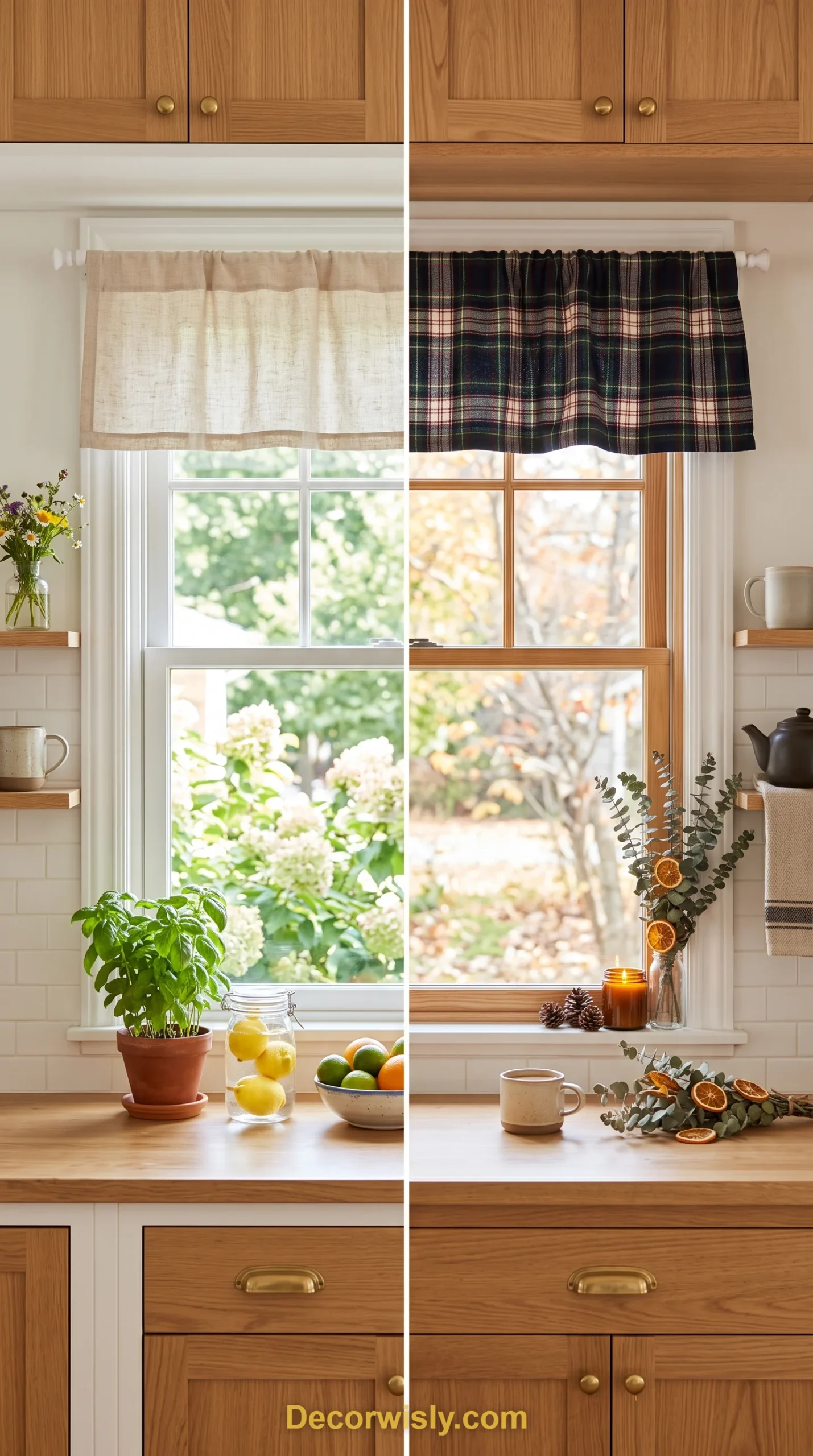
Because valances are small and inexpensive relative to full window treatments, some kitchens keep two or three on rotation — a lighter linen for summer, a heavier plaid or flannel for winter — swapped a few times a year like a small seasonal refresh.