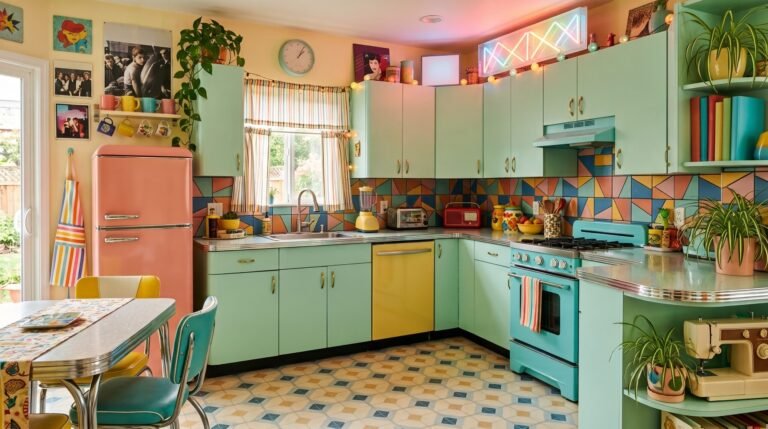

Green backsplashes have a way of aging better than most color trends, probably because there’s no single “green kitchen” look — sage reads calm and Scandinavian, emerald reads formal and moody, and mint reads playful and vintage all at once. That range is what makes green such a flexible starting point for a backsplash, whether the rest of the kitchen is going bold or staying quiet.
Here are 12 ways to bring green into that one high-impact wall.
1. The Sage Green Subway Tile
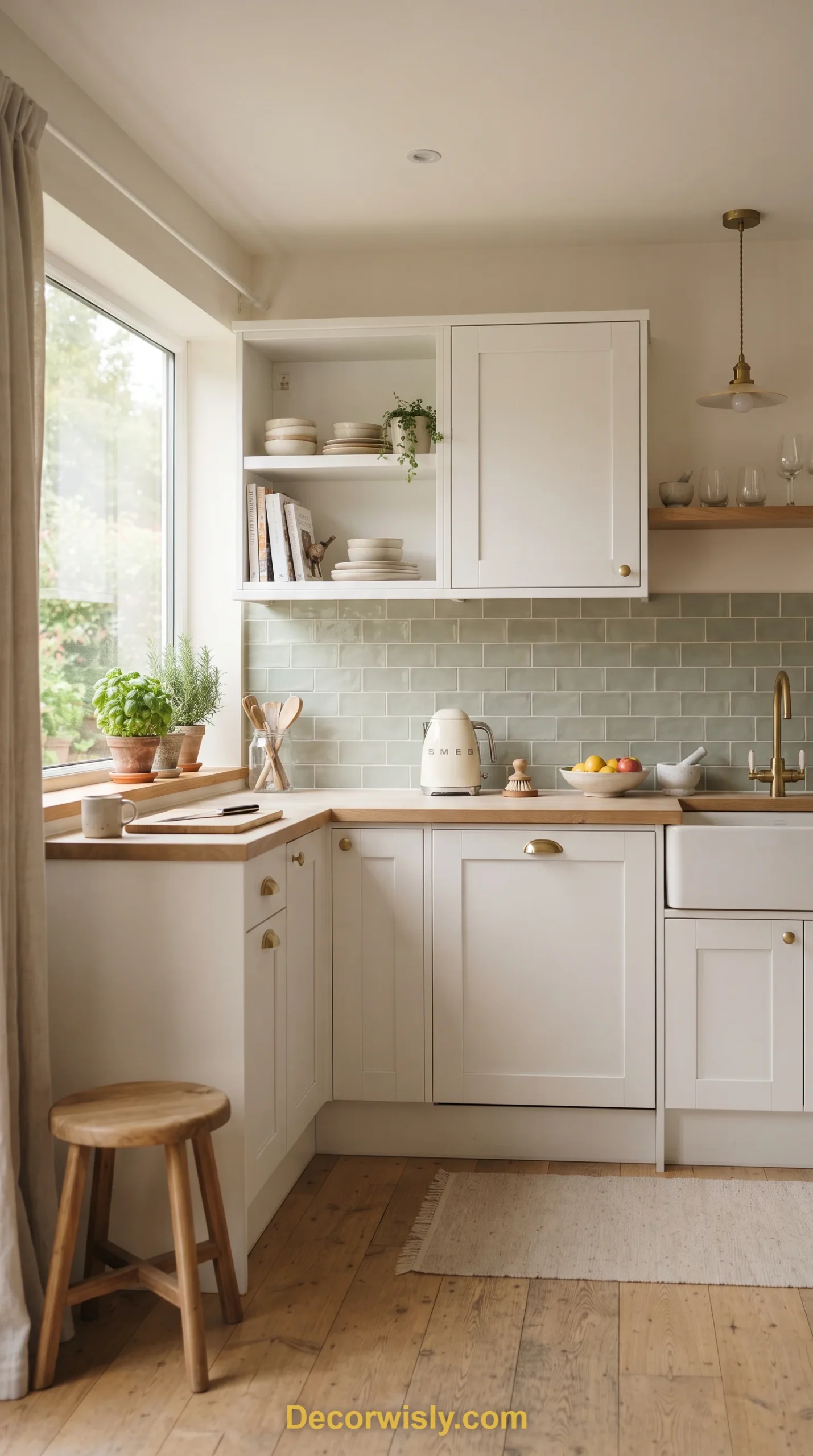
Sage is the most forgiving green in a kitchen — muted enough to read almost neutral from a distance, but with enough color to warm up an all-white room. Classic subway tile in sage keeps the look timeless rather than trend-driven.
2. The Emerald Zellige Statement
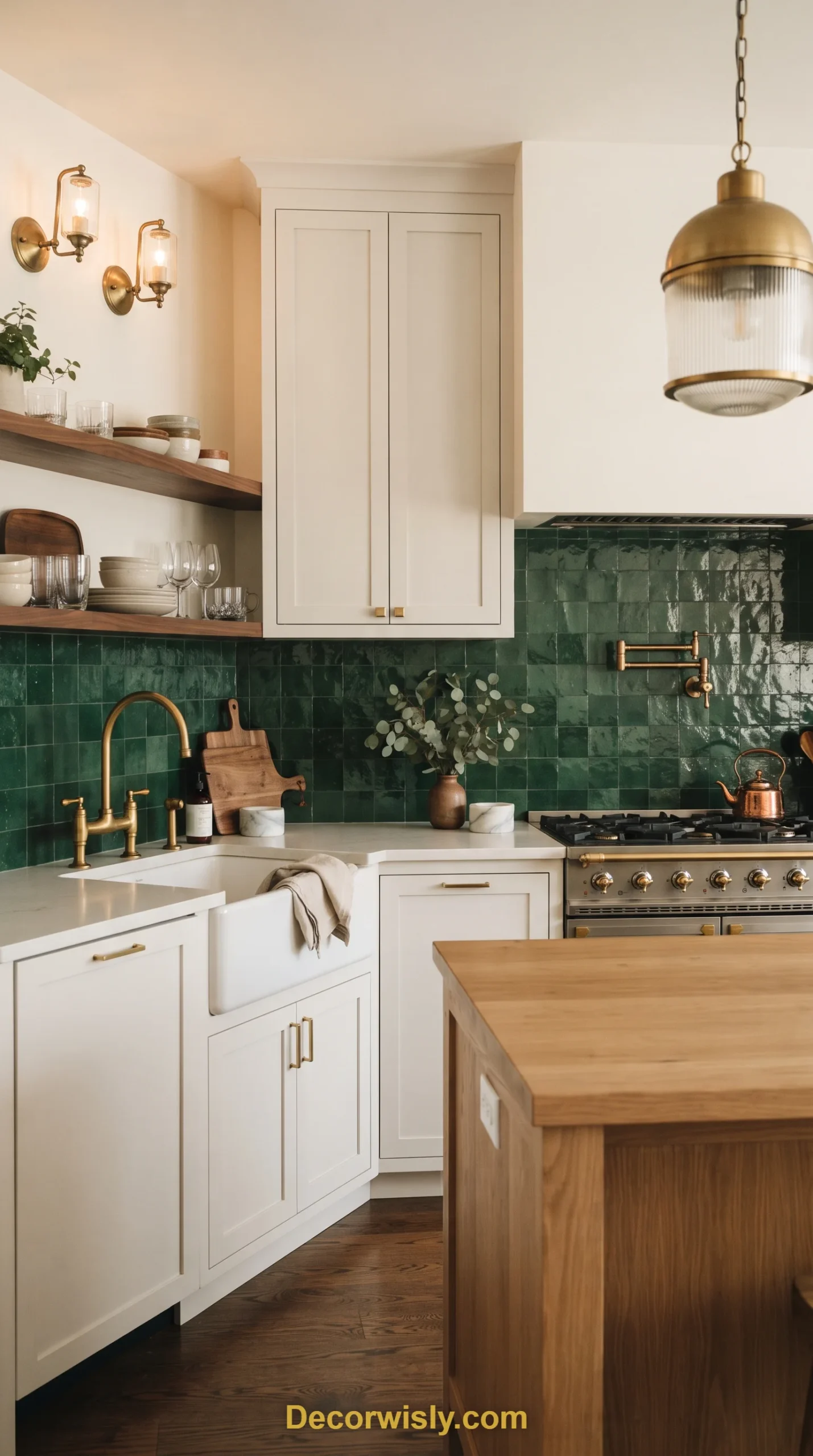
Handmade emerald zellige tile, with its natural variation and slight sheen, turns a backsplash into a genuine design centerpiece rather than a background material — best paired with simple cabinetry that lets the tile do the talking.
3. The Mint and Brass Vintage Pairing
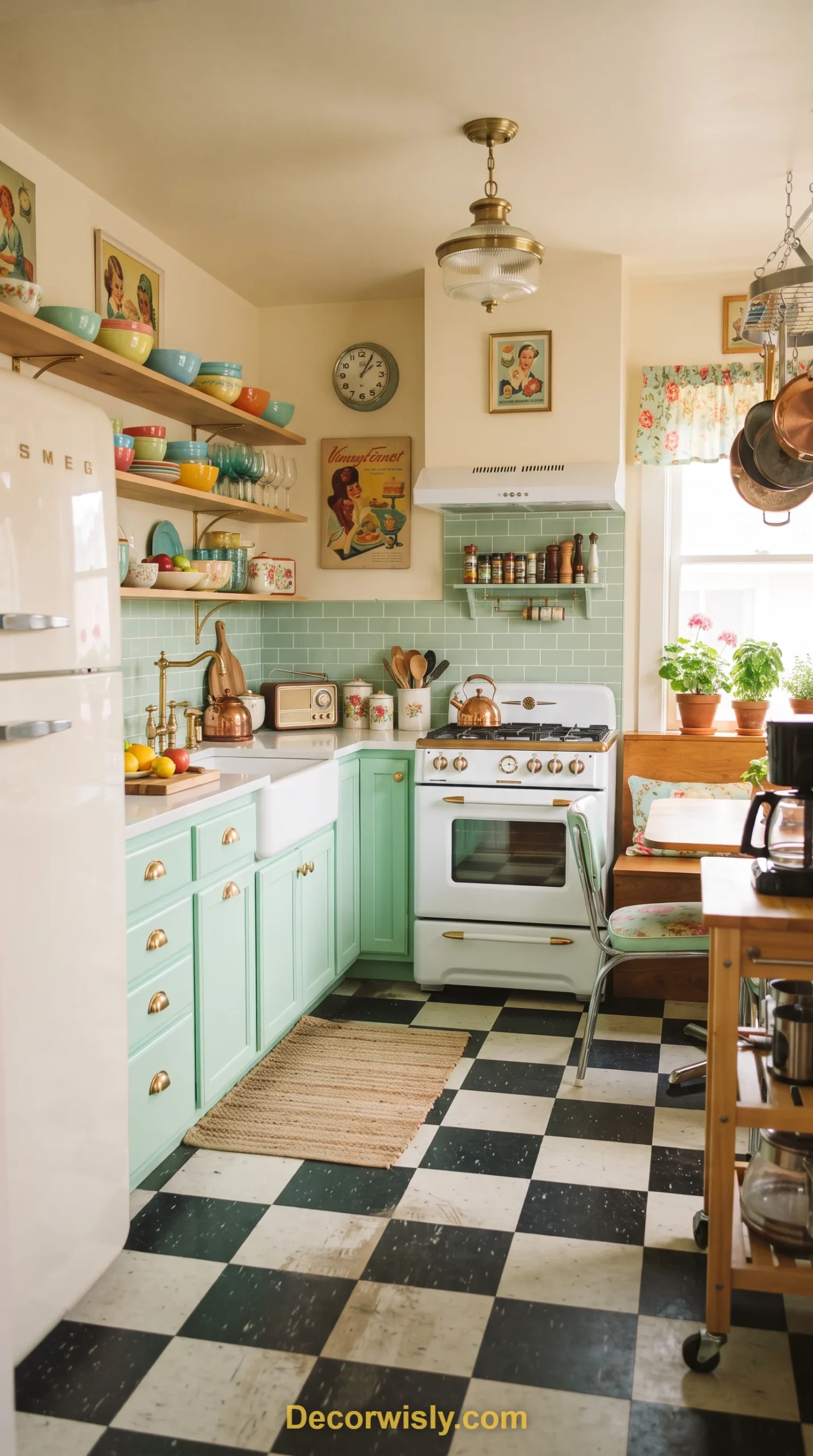
Pale mint tile paired with brass hardware and fixtures leans directly into a mid-century palette, especially effective in a kitchen with a retro-style range or checkerboard flooring to match.
4. The Forest Green Full-Wall Backsplash
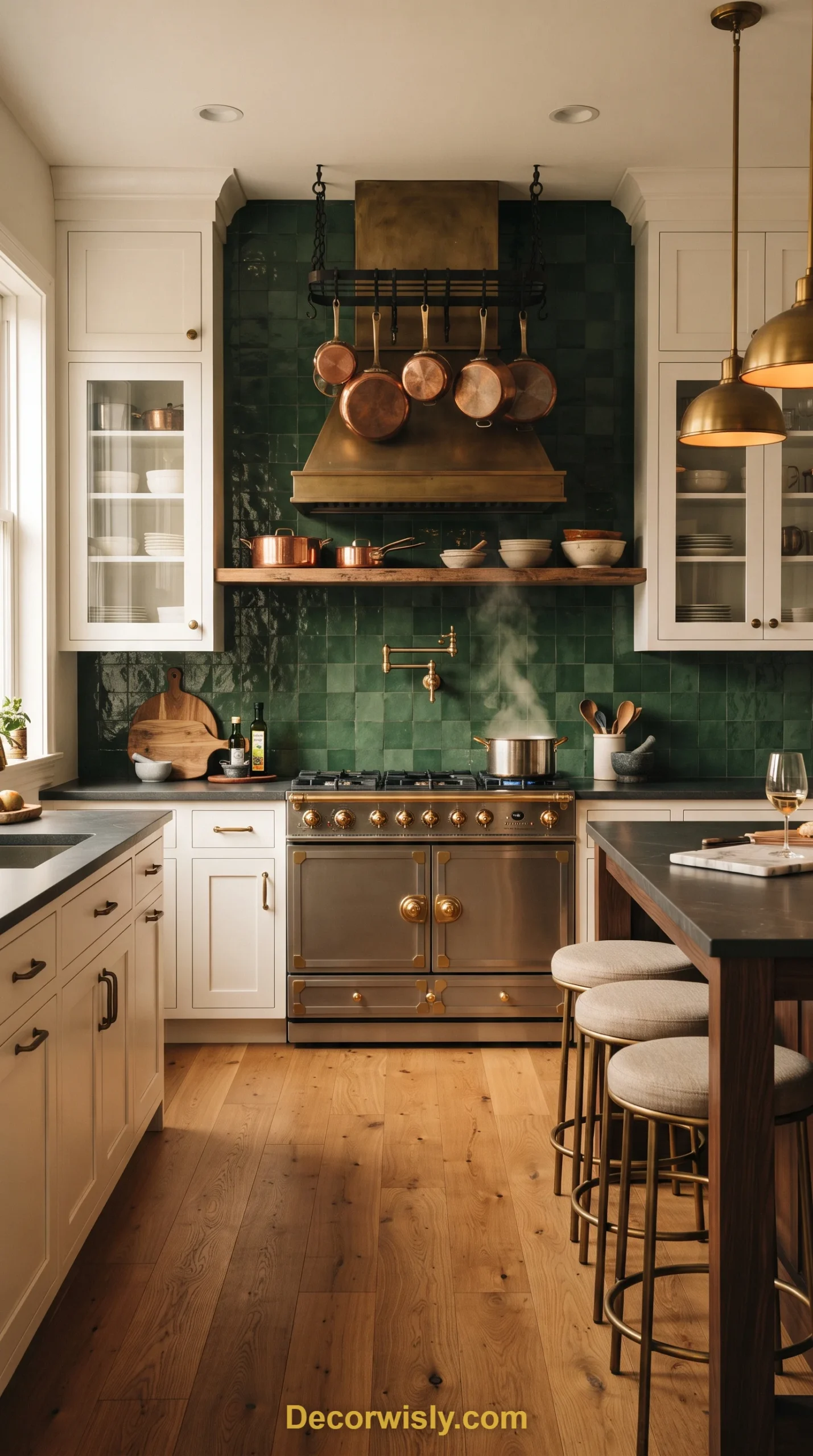
Extending forest green tile all the way to the ceiling, rather than stopping at standard backsplash height, makes the color a full architectural feature instead of a strip behind the counter.
5. The Green Patterned Cement Tile
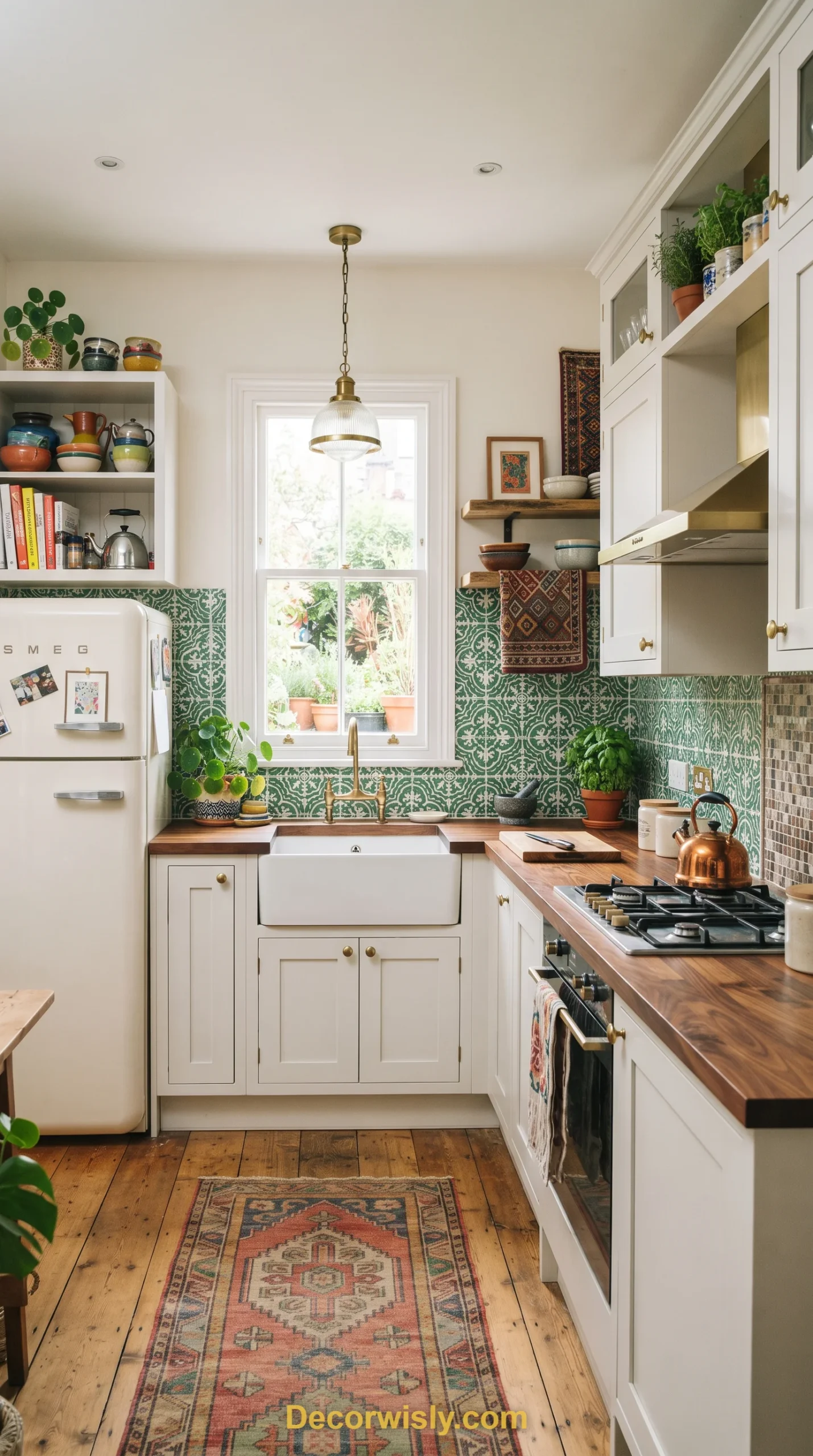
Moroccan-style cement tile in green and white patterns adds movement and texture to a backsplash without needing colored cabinetry or countertops to support it — the tile alone carries the room’s personality.
6. The Olive Green Herringbone
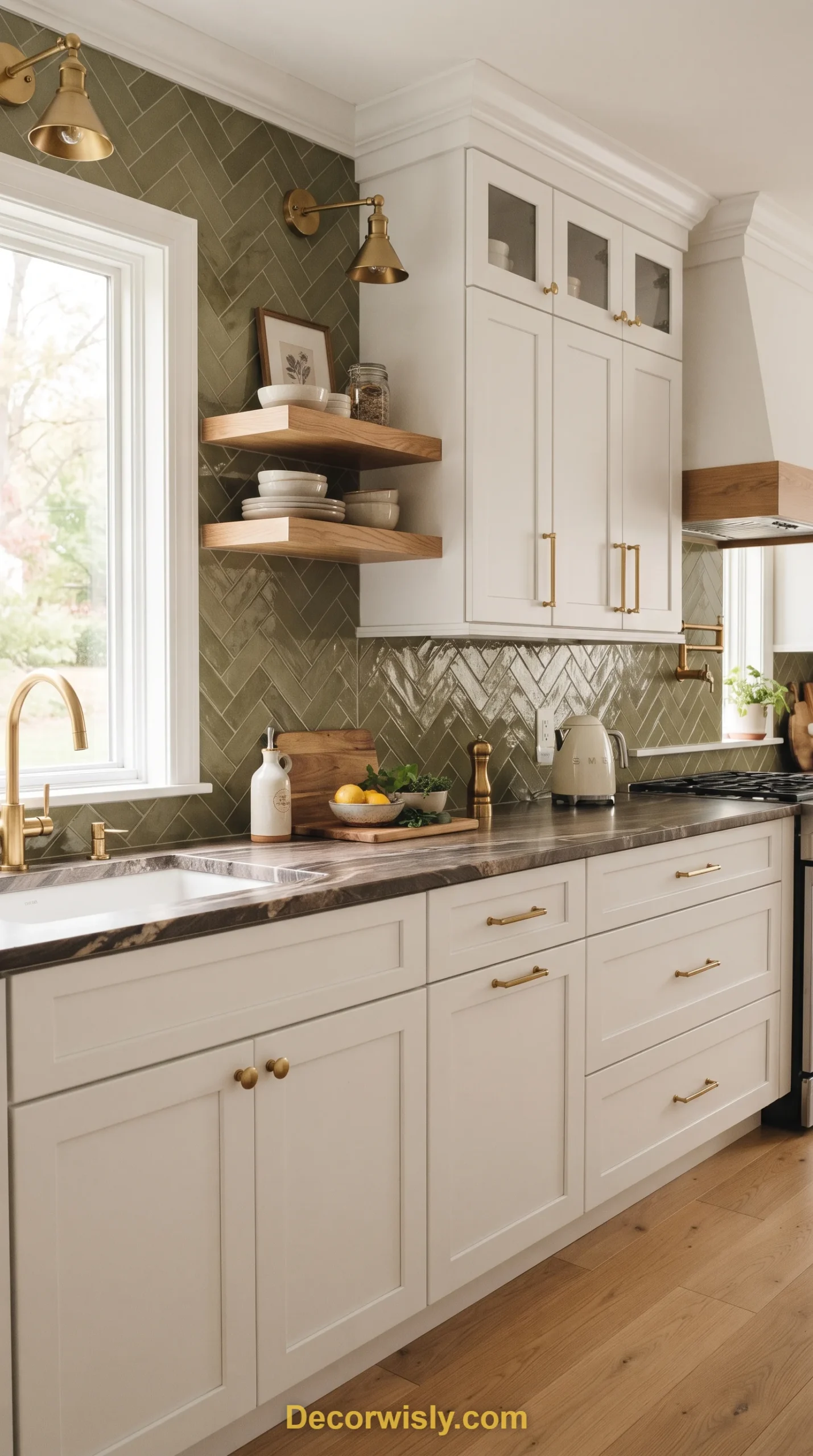
Laying green subway tile in a herringbone pattern instead of a straight stack adds visual interest through the tile layout itself, letting a muted olive tone still feel dynamic rather than flat.
7. The Green Marble Slab Backsplash

A single continuous slab of green-veined marble, rather than tile, running from counter to cabinet gives a more seamless, high-end look with none of the visible grout lines a tiled version would have.
8. The Green Cabinet and Neutral Backsplash Swap

Rather than putting green on the wall, some kitchens flip the formula — green cabinetry paired with a plain white or cream backsplash, letting the cabinets carry the color and the tile stay quiet.
9. The Dark Green Behind Open Shelving
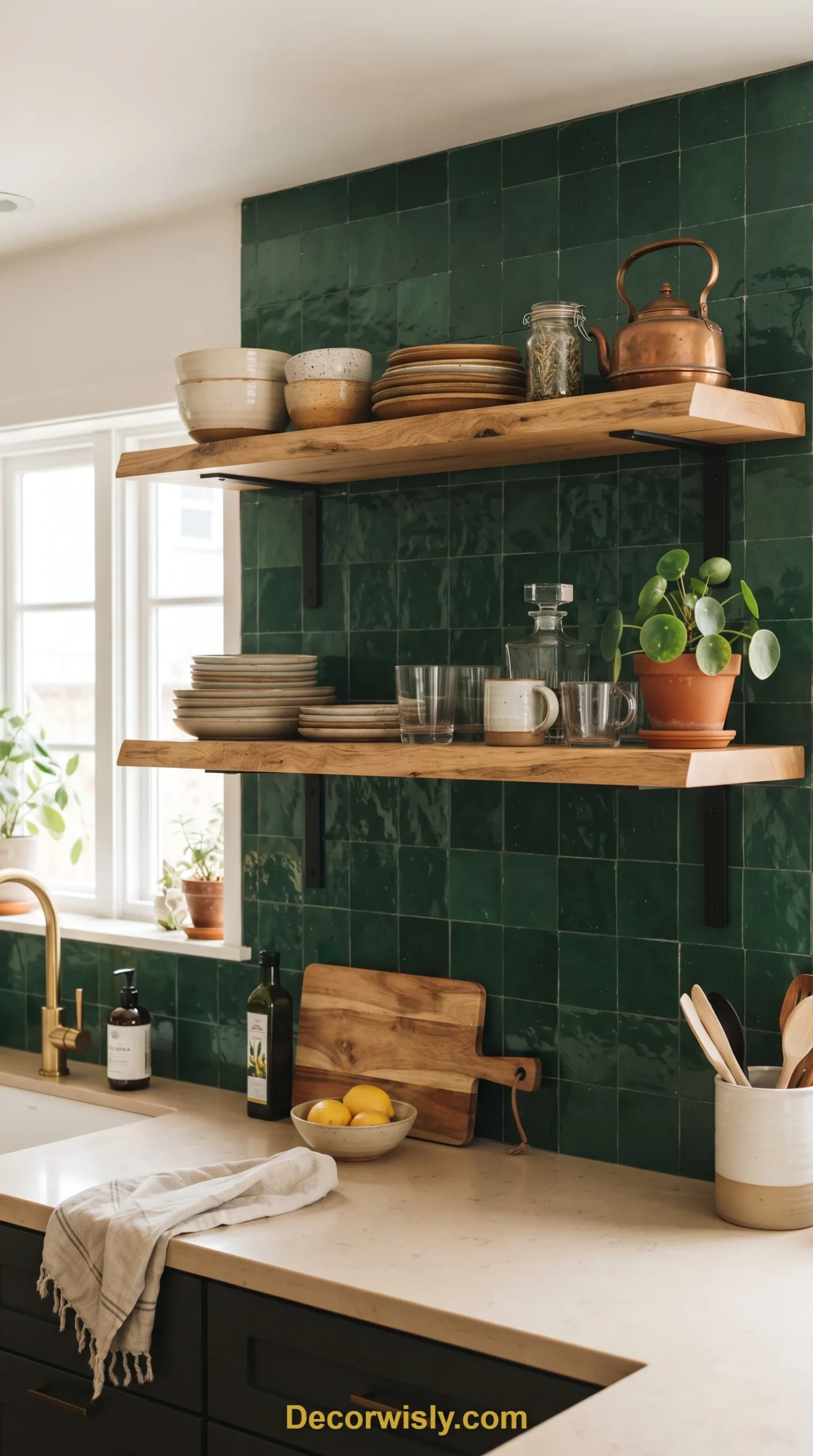
A deep green backsplash behind open wood shelving creates a rich backdrop that makes displayed dishware and glassware stand out more than a plain white wall would.
10. The Green Fish-Scale Tile
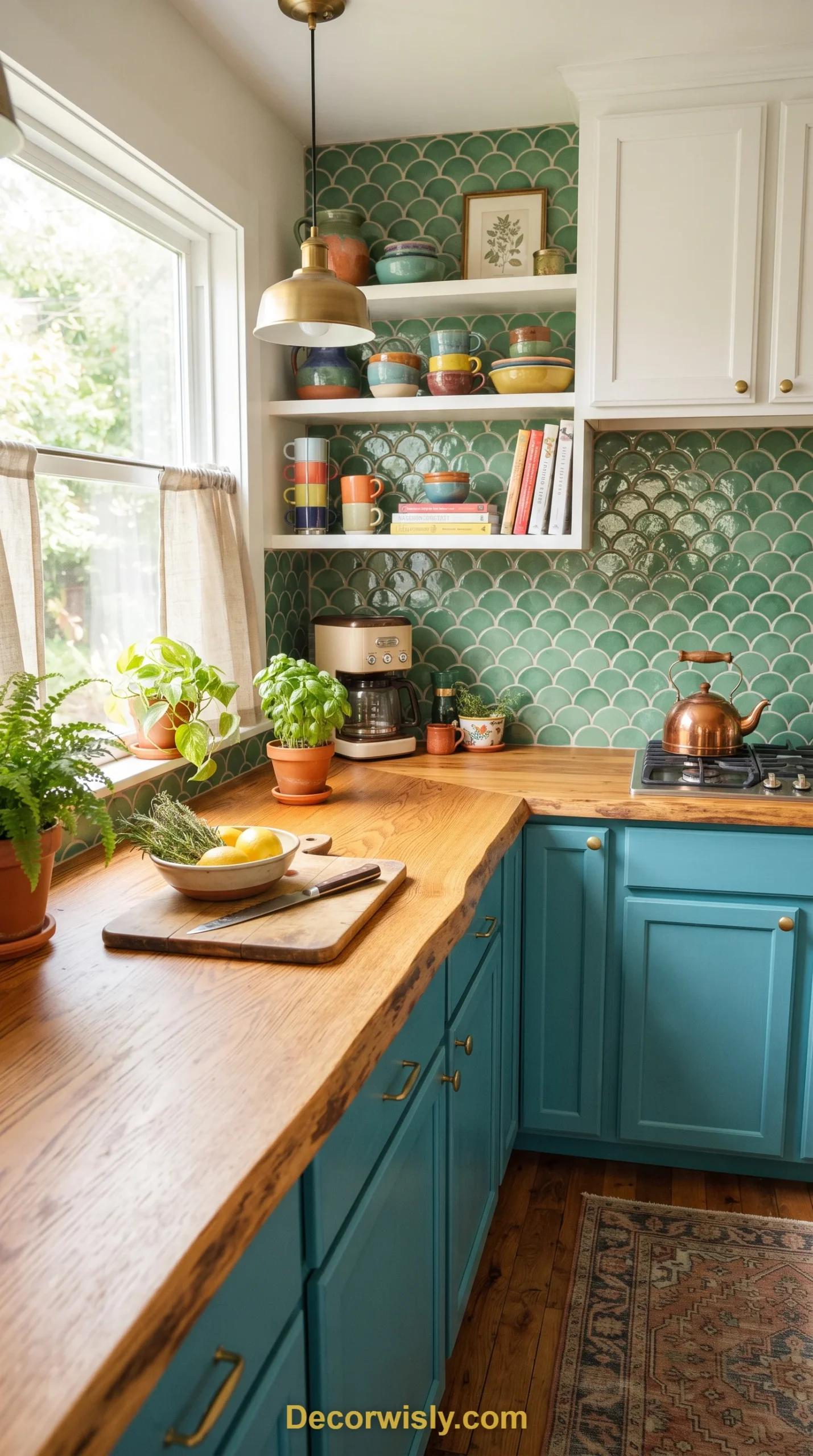
Scalloped or fish-scale shaped tile in green adds a playful, slightly whimsical texture to a backsplash, well suited to a kitchen that already leans a bit maximalist or vintage-eclectic.
11. The Green Behind the Range Only

Limiting a bold green tile to just the wall behind the range — while the rest of the kitchen stays neutral — treats the backsplash like art confined to one frame rather than color spread across the whole room.
12. The Muted Eucalyptus Green Grout Detail
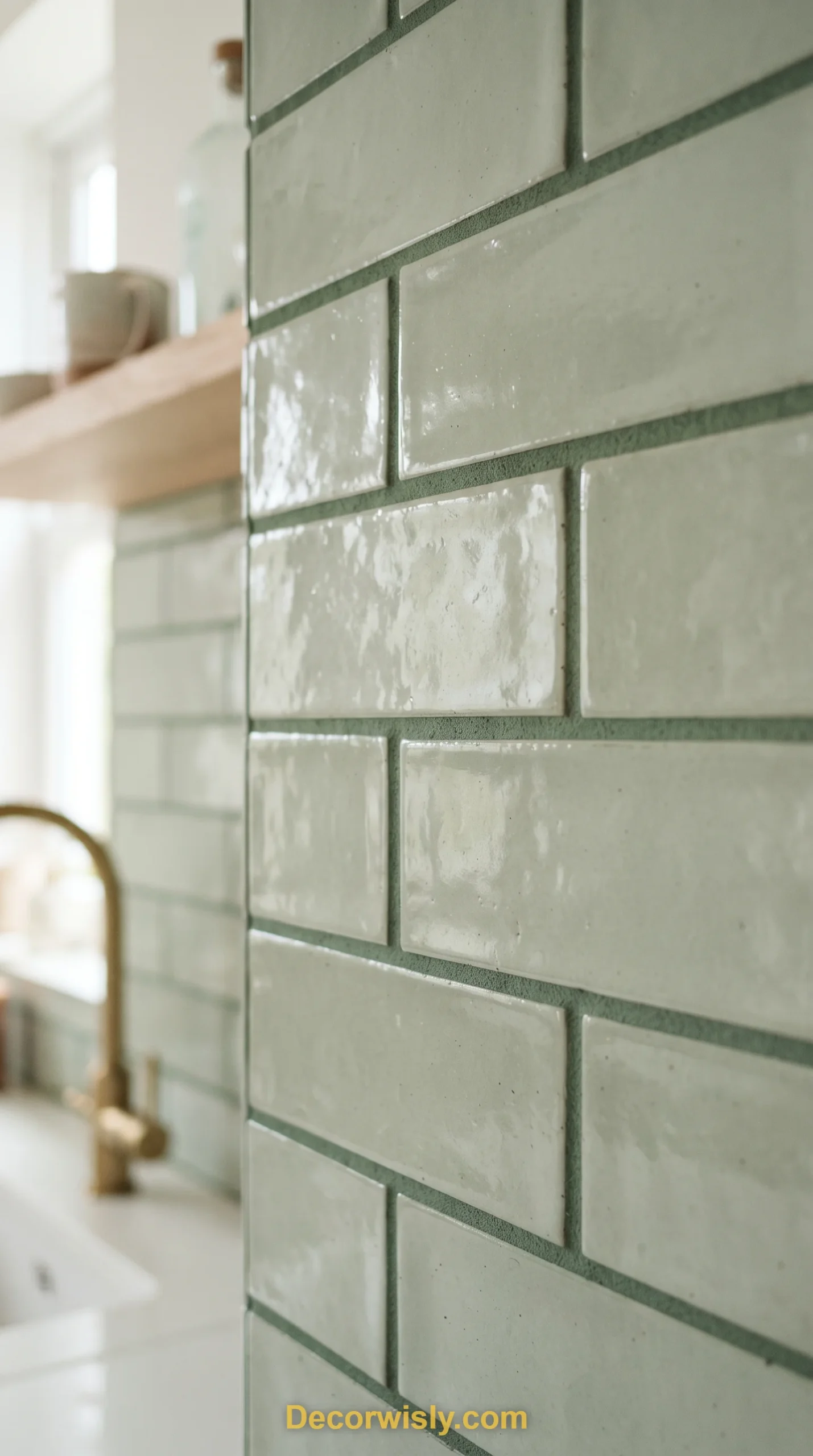
A pale eucalyptus green tile paired with a slightly darker green grout (instead of white or grey) adds subtle depth and definition to each tile without introducing a second color into the room.