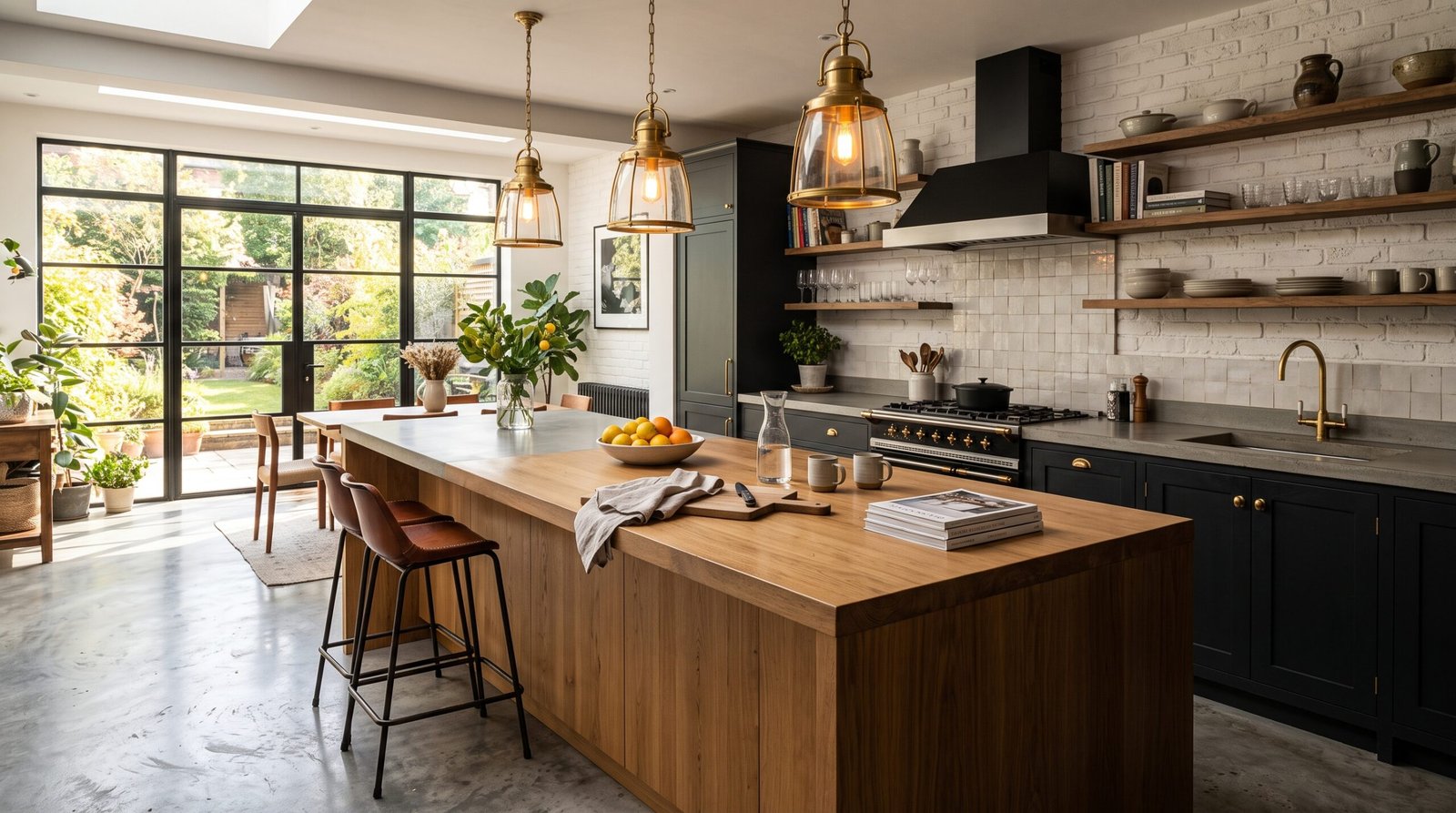
Concrete has quietly become one of the most versatile flooring choices in kitchen design, moving well past its purely industrial reputation into genuinely warm, livable spaces. Part of the appeal is how much range a single material offers — polished to a mirror shine, stained in rich color, or left raw and textured, concrete can anchor a sleek modern kitchen just as easily as a rustic farmhouse one. Beyond looks, it’s built for the job: durable, easy to clean, and able to handle whatever a busy kitchen throws at it. Here are 22 ways to bring concrete flooring into a kitchen, along with the finish and pairing that make each direction work.
1. Industrial Chic Vibes
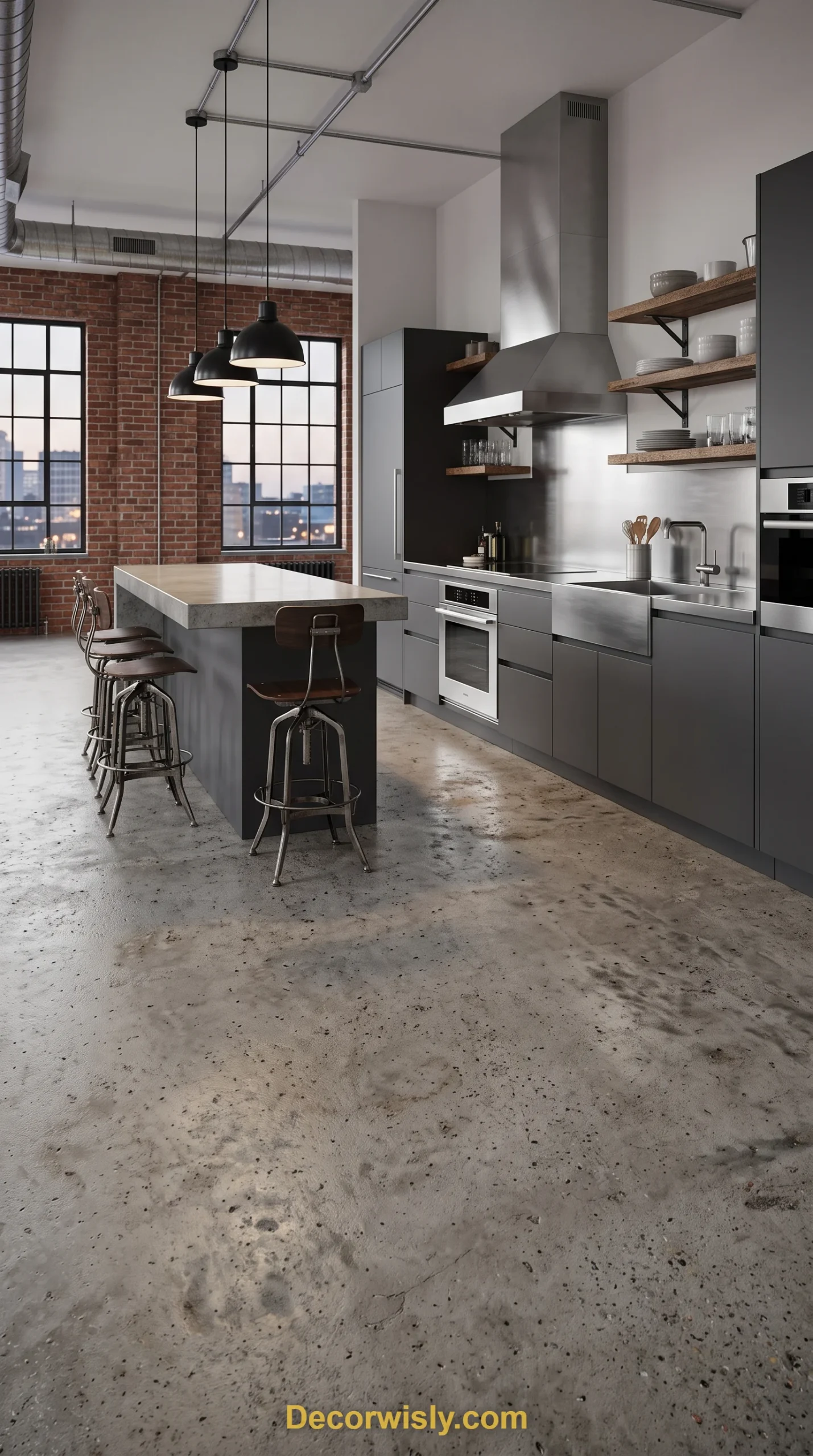
A concrete floor with genuine industrial character sets a bold stage for a modern kitchen, creating visual contrast against sleek cabinetry and stainless steel. The textured surface brings authenticity and real durability, resisting wear while making a striking urban statement.
2. Modern Minimalist Appeal
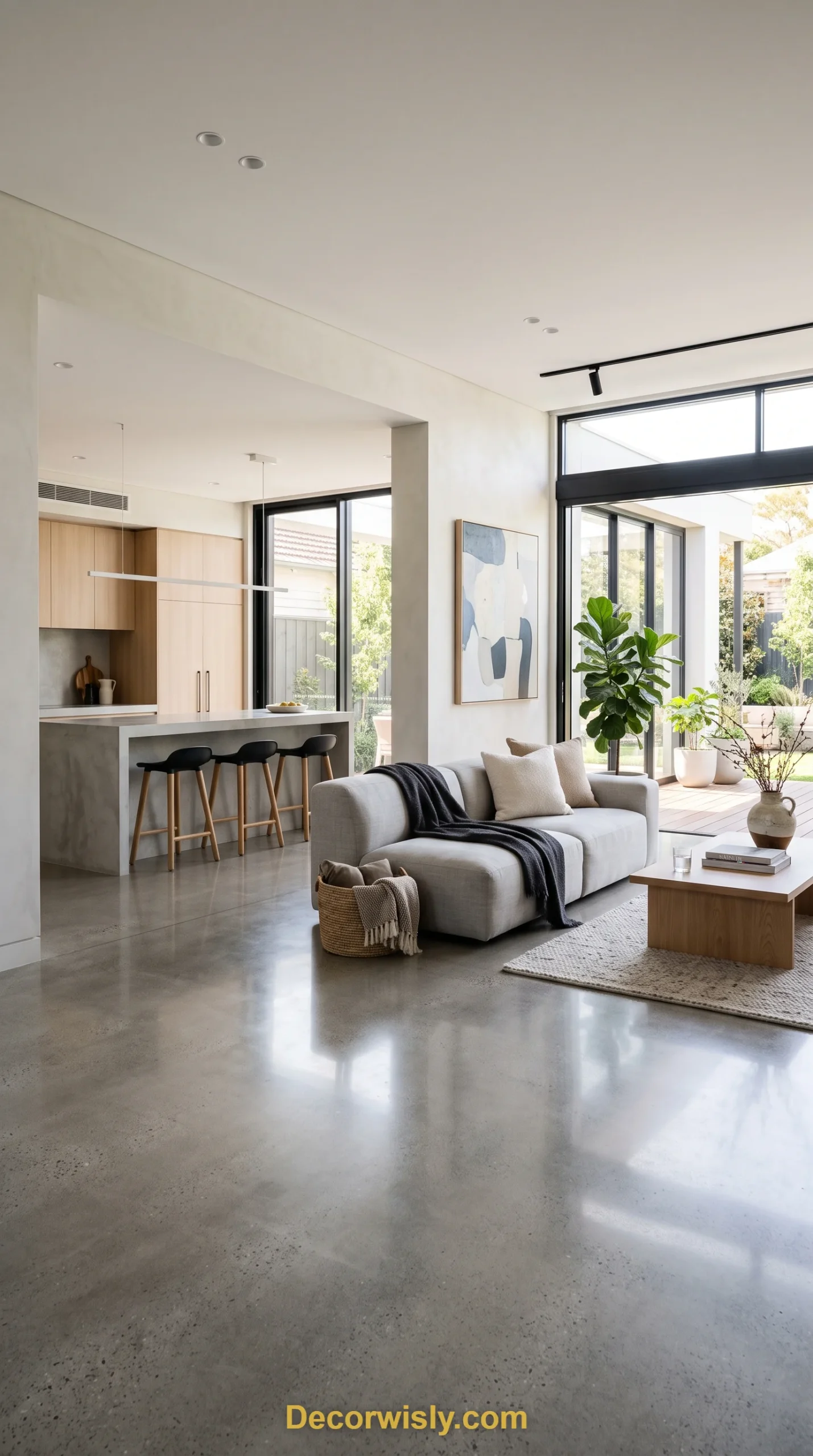
Polished concrete’s clean lines and smooth surface contribute to an open, airy feel that enhances natural light throughout the kitchen. The pristine simplicity invites subtle accent pieces while offering genuine ease of cleaning and long-lasting durability.
3. Stained Concrete Sophistication
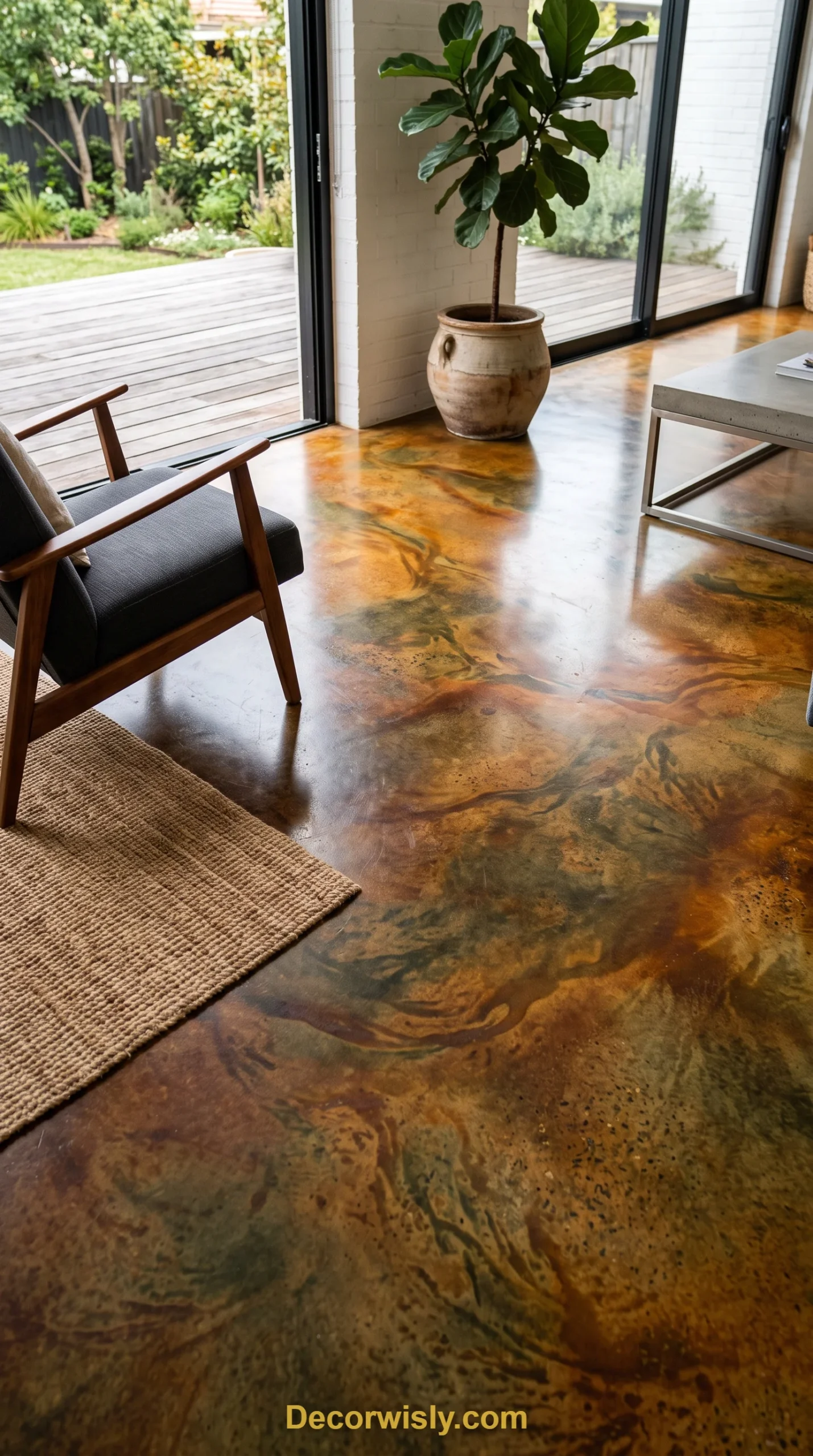
A color-treated stain brings rich hues and unique natural patterns to a concrete floor, adding real depth and character. The finish resists everyday wear while the colors shift subtly with changing light, giving the kitchen an artistic, evolving quality.
4. Polished Concrete Perfection
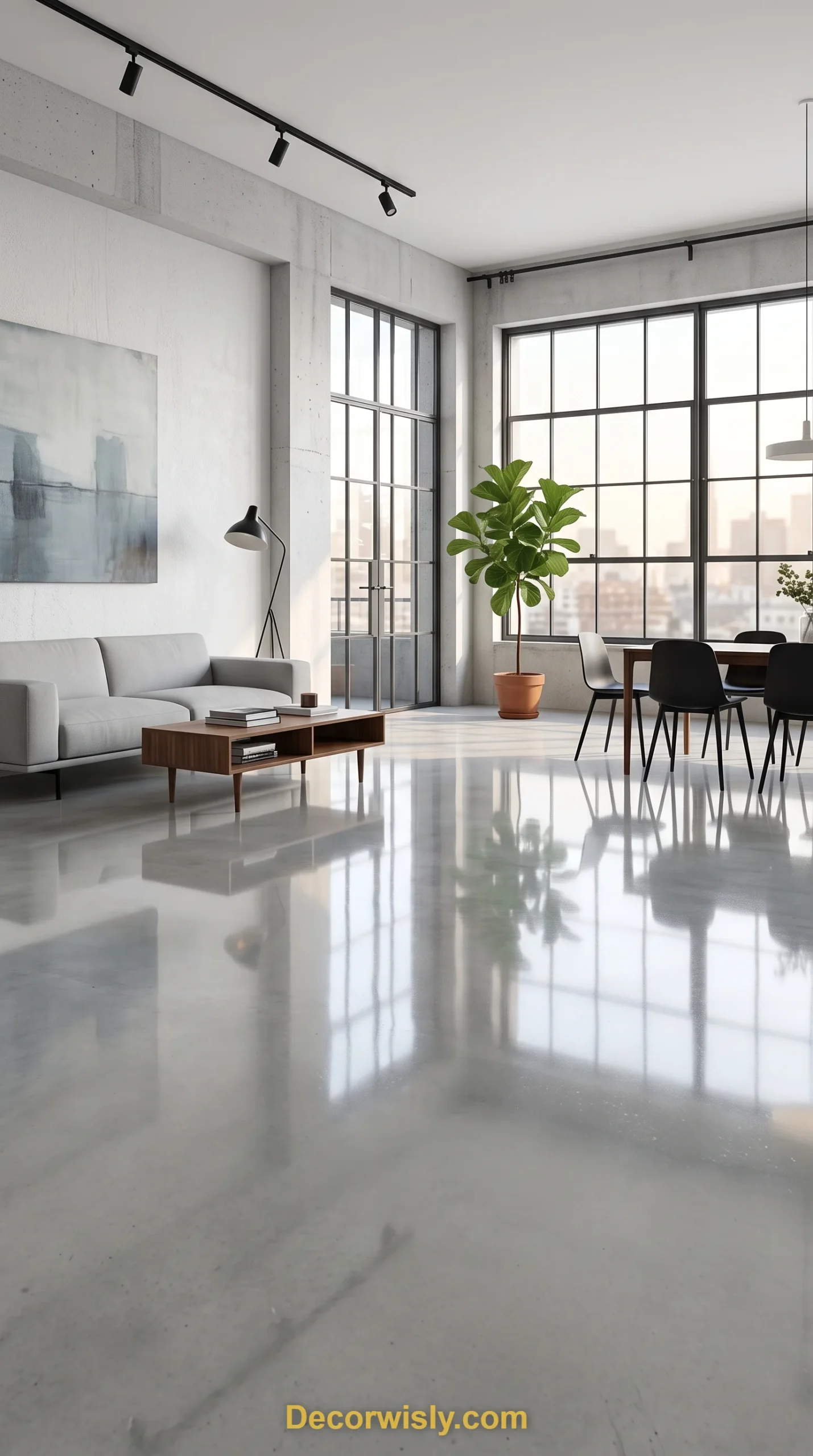
A high-gloss polish reflects light beautifully, making smaller kitchens feel larger and brighter while resisting spills, stains, and daily wear. The nearly mirror-like surface pairs easily with a wide range of design elements and colors.
5. Textured Concrete Patterns
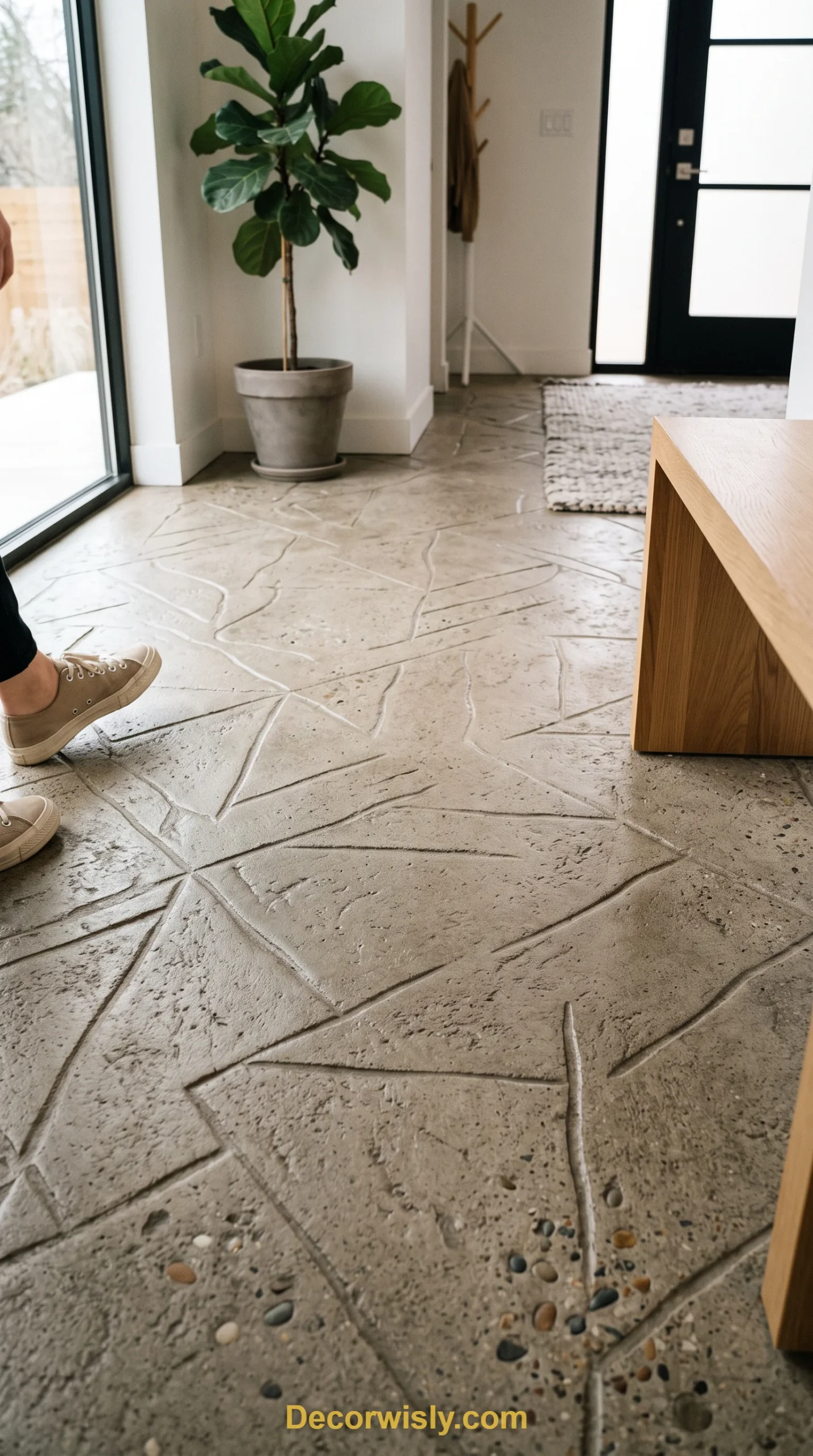
Subtle patterns and reliefs turn a plain concrete surface into an artistic, tactile feature that also improves grip and safety underfoot. The handcrafted, artisanal quality blends beauty with genuine everyday function.
6. Geometric Design Inspirations

Bold shapes and patterns carved or stamped into a concrete floor introduce dynamic symmetry and a genuine artistic focal point. The customizable approach lets homeowners tailor designs to their exact color scheme while keeping the surface robust and low-maintenance.
7. DIY Stenciled Floor Art
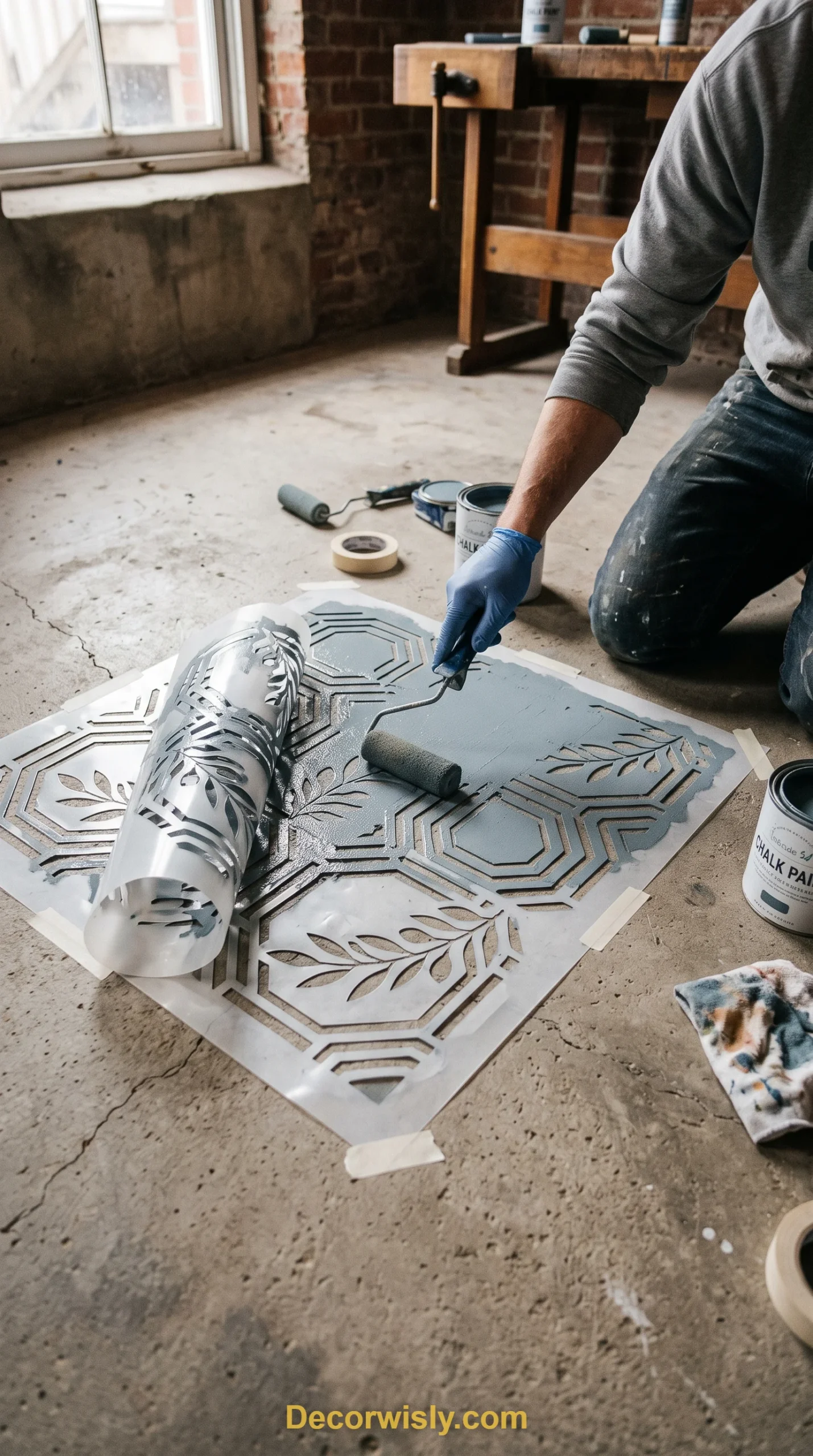
Stenciled patterns, motifs, or personal touches bring an affordable, unique way to stand out on a concrete floor. The durable surface ensures the design holds up over years of daily activity, making the project a rewarding blend of craftsmanship and style.
8. Eco-Friendly Concrete Solutions
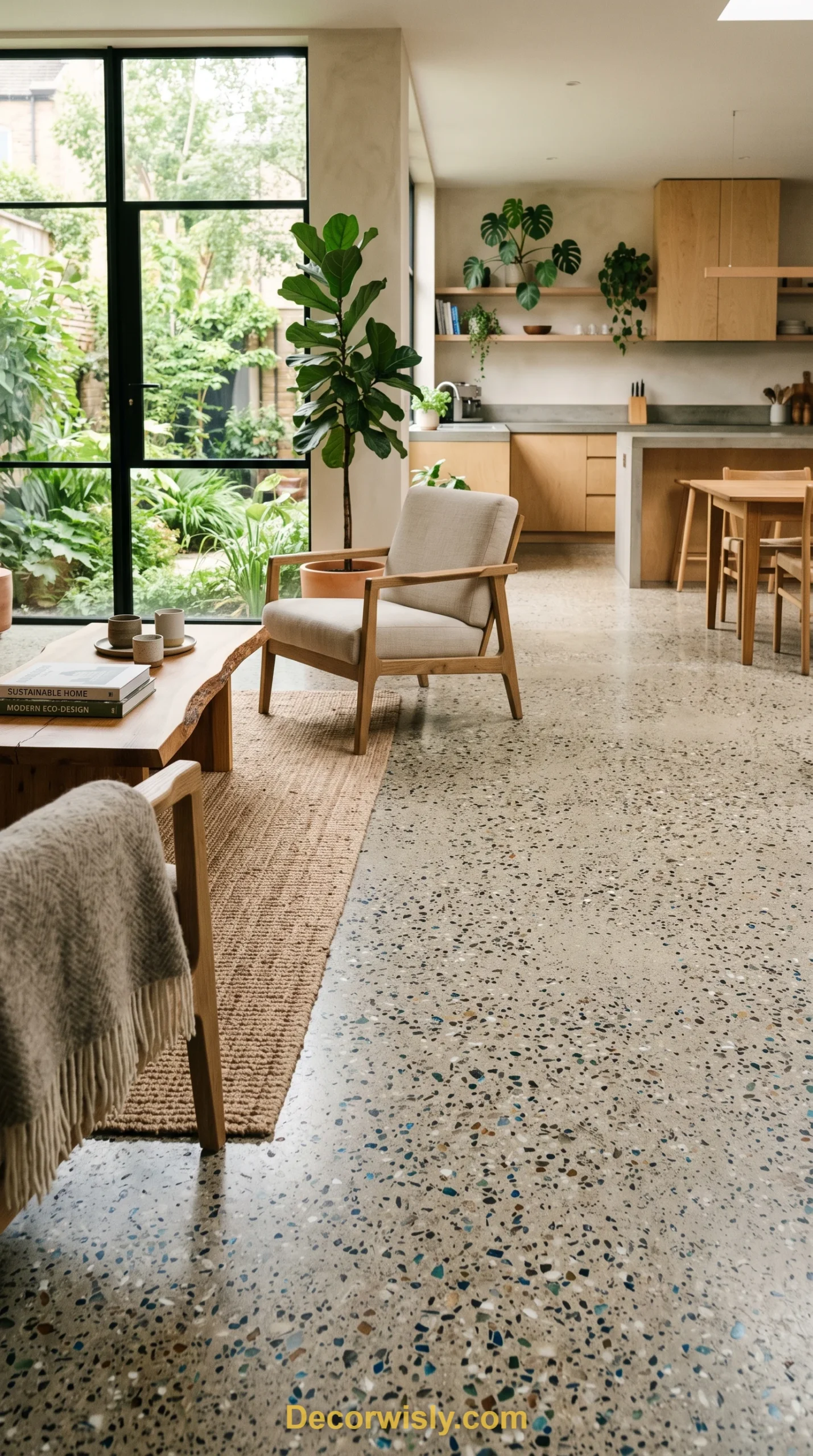
Recycled materials and low-emission production methods create a concrete floor that’s both genuinely green and durable. The natural appearance blends seamlessly with modern and rustic kitchens alike while supporting a more eco-conscious build.
9. Mixing Natural Materials
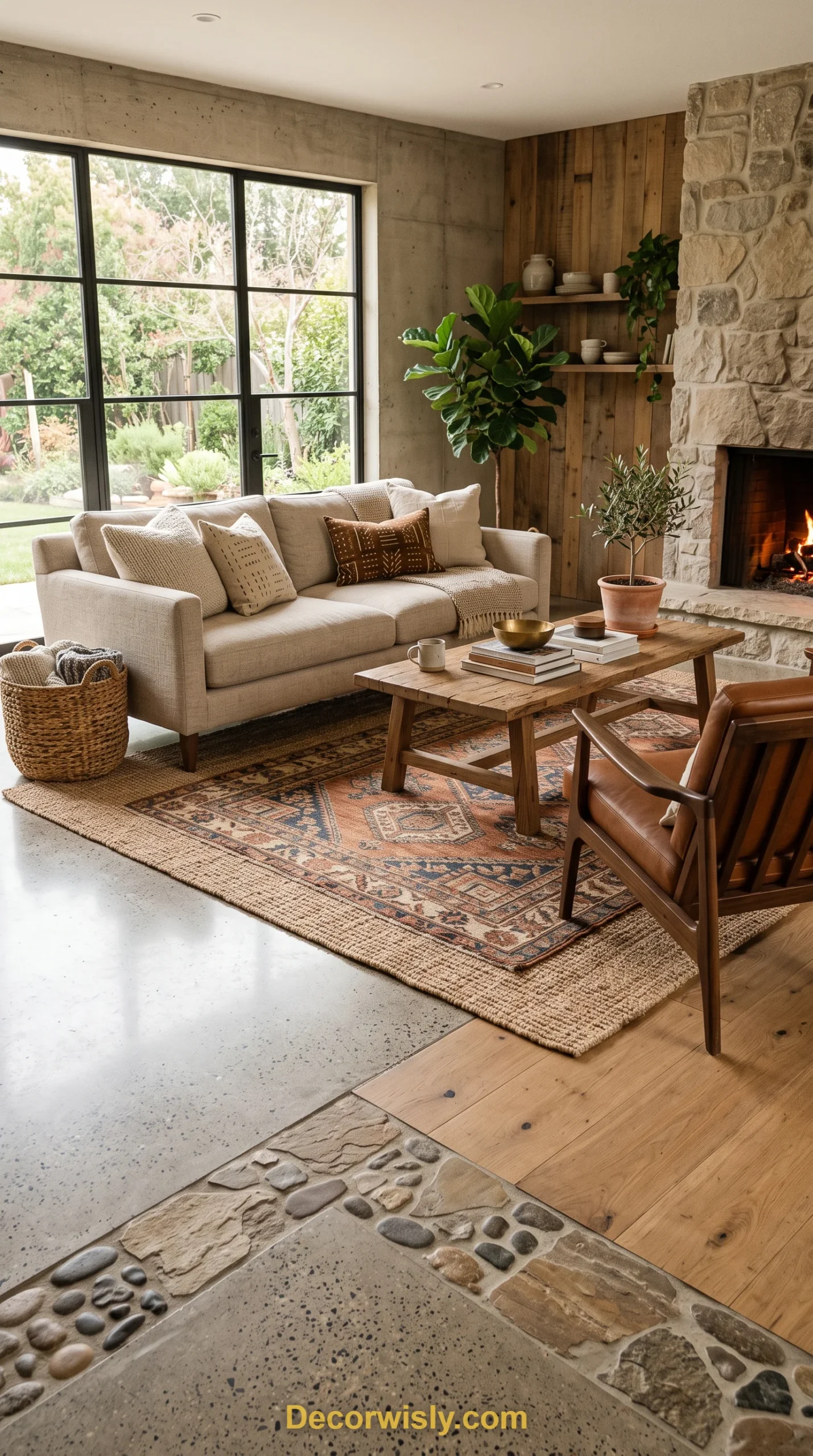
Wood accents, stone tiles, or patterned rugs layered over a concrete foundation create a warm, organic contrast against the material’s industrial edge. The mix softens the rigidity of concrete while keeping its durability and easy upkeep fully intact.
10. Rustic Concrete Warmth
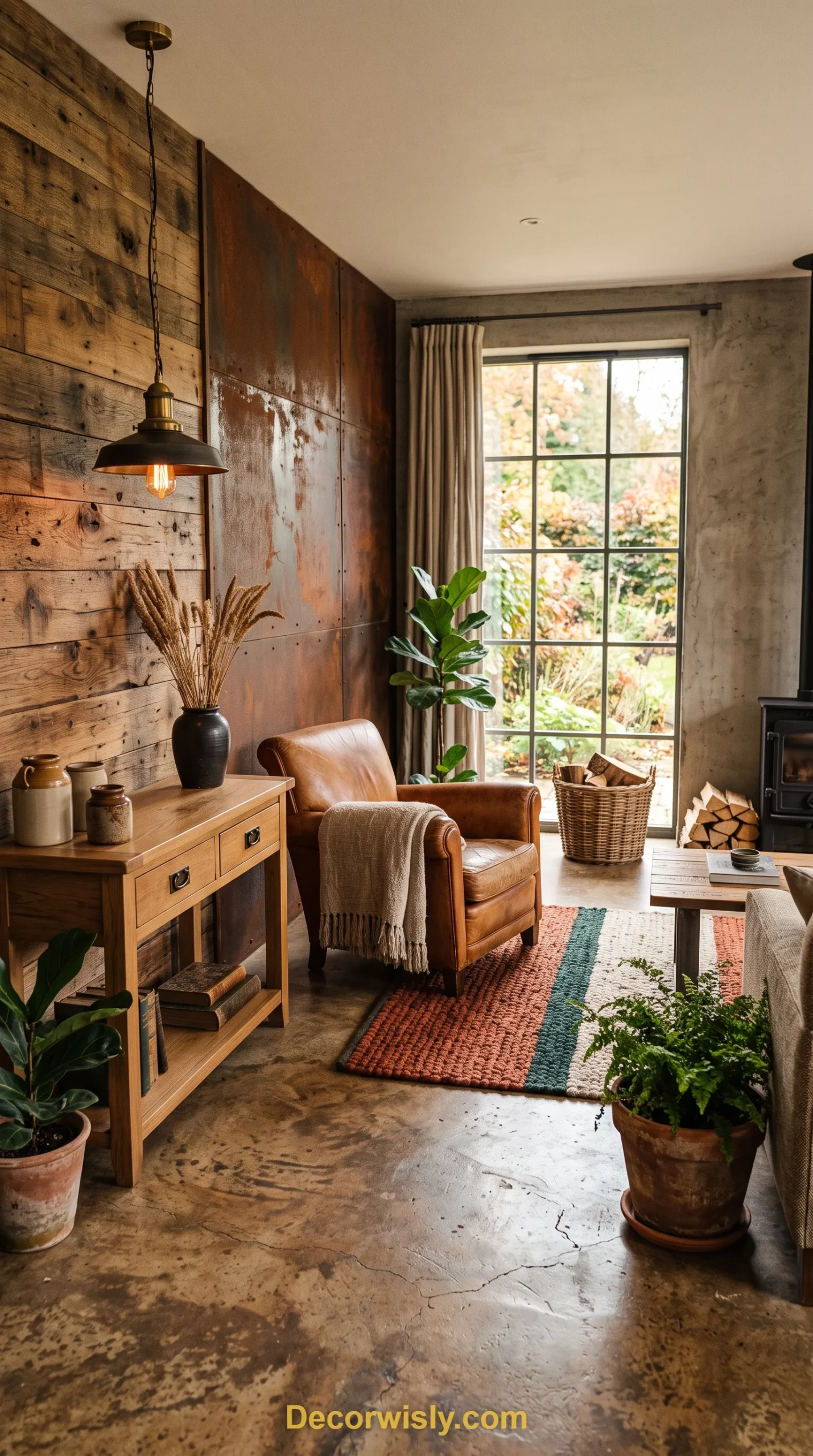
Subtle imperfections and texture in a concrete floor evoke an organic, earthy feel that pairs beautifully with natural wood, vintage fixtures, and reclaimed metal accents. The resilient surface handles high-traffic areas while embracing genuine rustic charm.
11. Concrete with Warm Accents
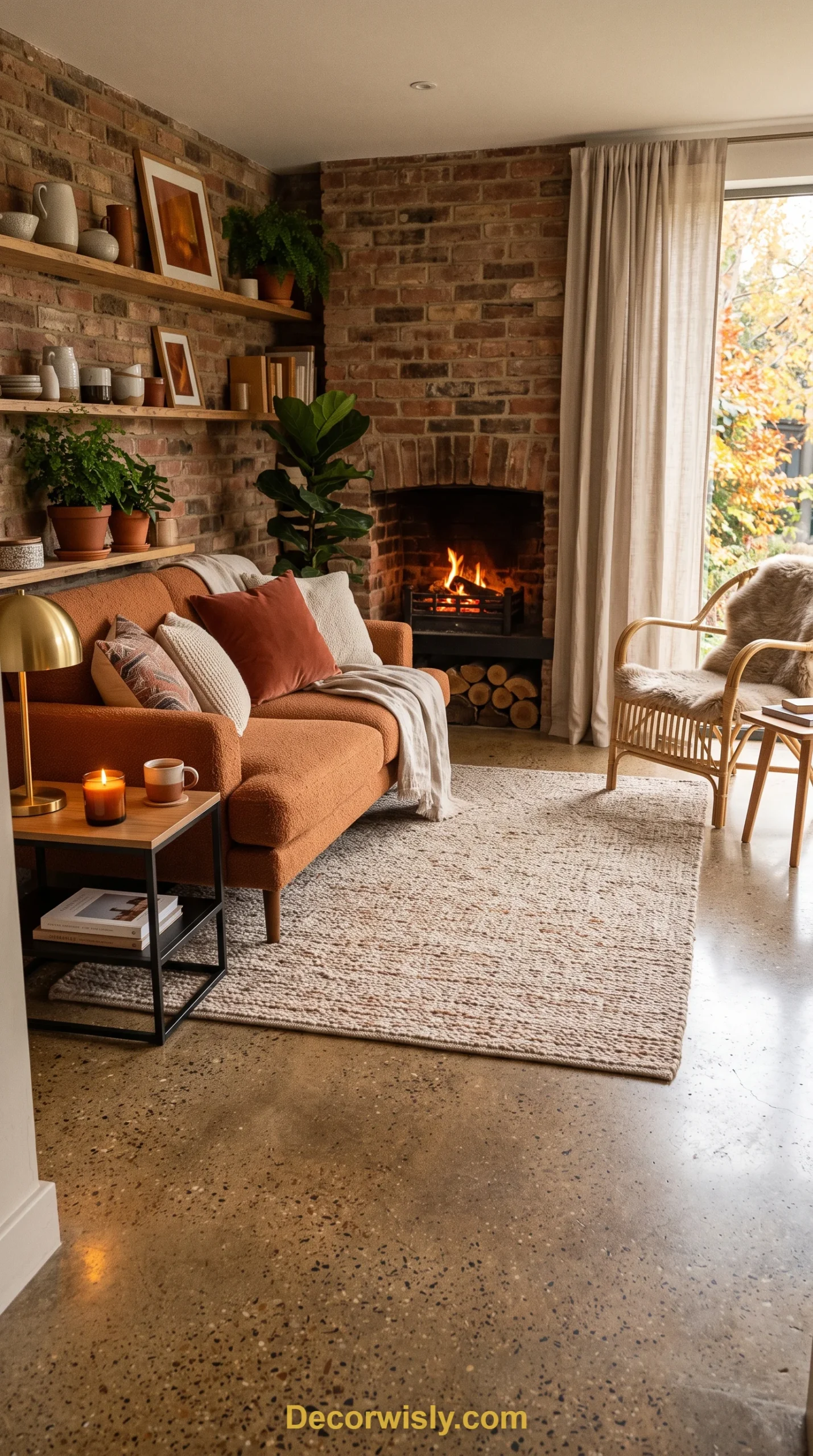
Cozy color accents and soft textures paired with a cool concrete surface create a balanced, inviting kitchen that stays contemporary. Warm lighting and natural wood soften the industrial edge without sacrificing durability.
12. Bold Black Concrete Style

Deep, dark concrete tones add dramatic contrast that makes metallic fixtures and bright accents truly pop. The high-contrast look brings edgy, urban sophistication while retaining concrete’s everyday durability.
13. Heated Concrete Floors
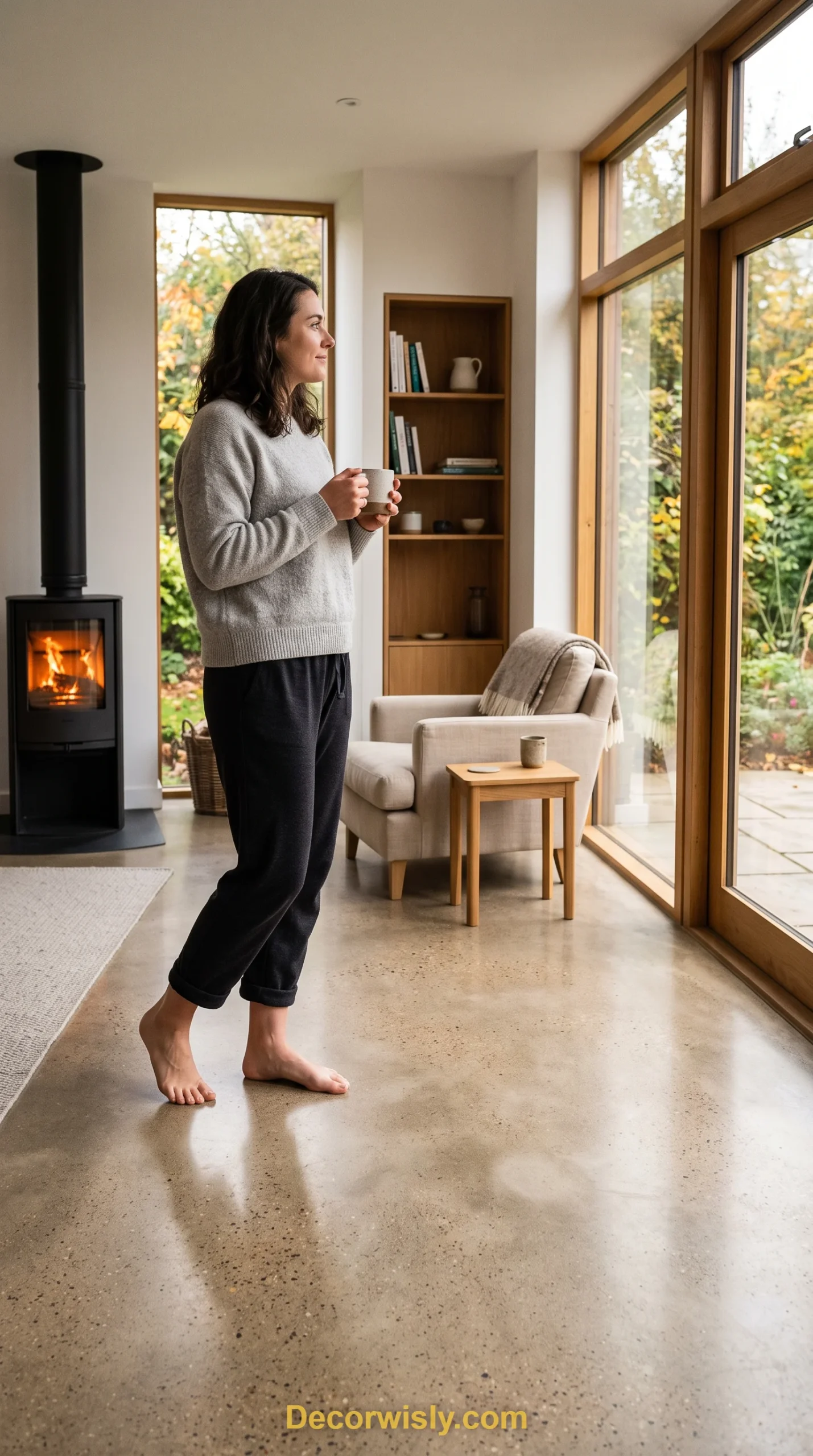
Radiant heating integrated directly into concrete provides steady warmth underfoot, blending comfort with rugged durability. The sleek, minimal design suits both modern and traditional kitchens while adding genuine energy-efficient convenience.
14. DIY Concrete Overlay Trends
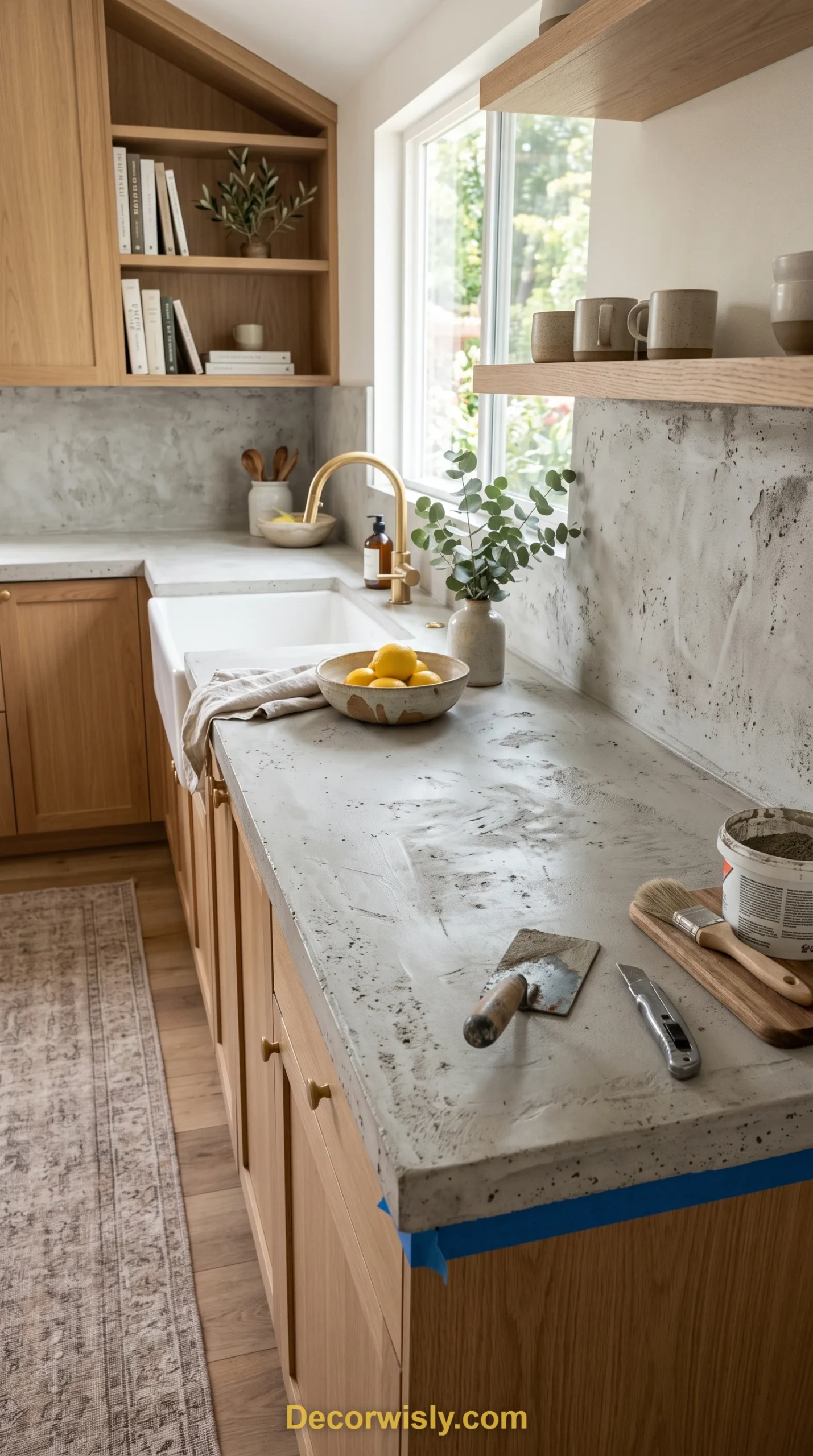
A concrete overlay updates an existing floor with a fresh finish, new texture, and new color without a full remodel. The customizable, cost-effective method delivers a high-end appearance while protecting the original surface underneath.
15. Concrete Tile Texturing

Interlocking concrete tiles create a patterned appearance that can mimic natural stone or intricate mosaic design. The textured tiles offer improved grip and resilience against spills, making them well suited to a busy kitchen environment.
16. Decorative Concrete Inlays
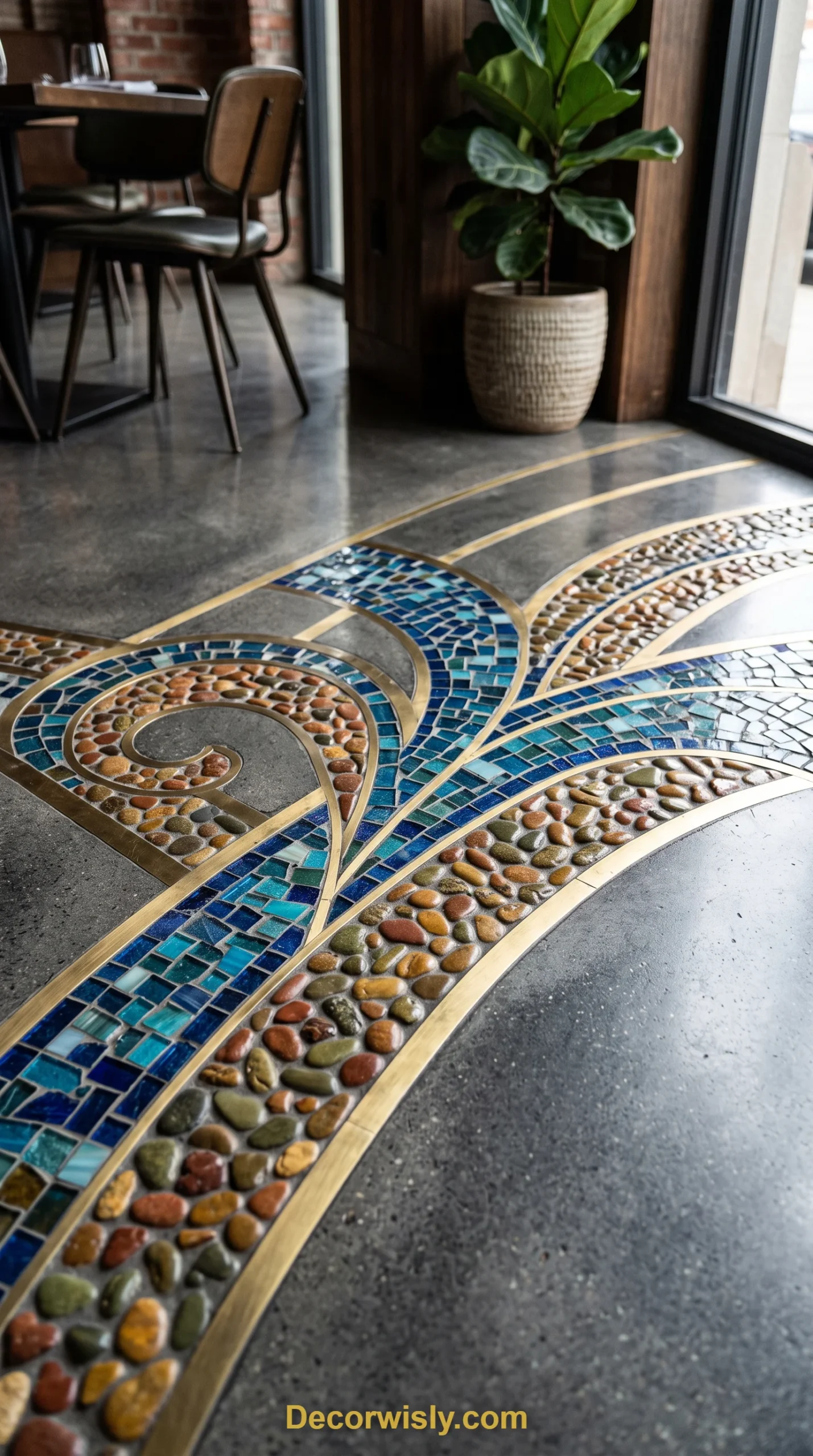
Colored aggregates or mosaic elements embedded directly into concrete transform an everyday floor into a genuine work of art. The custom patterns add real visual interest while keeping the surface tough and long-lasting.
17. Customizable Concrete Creativity
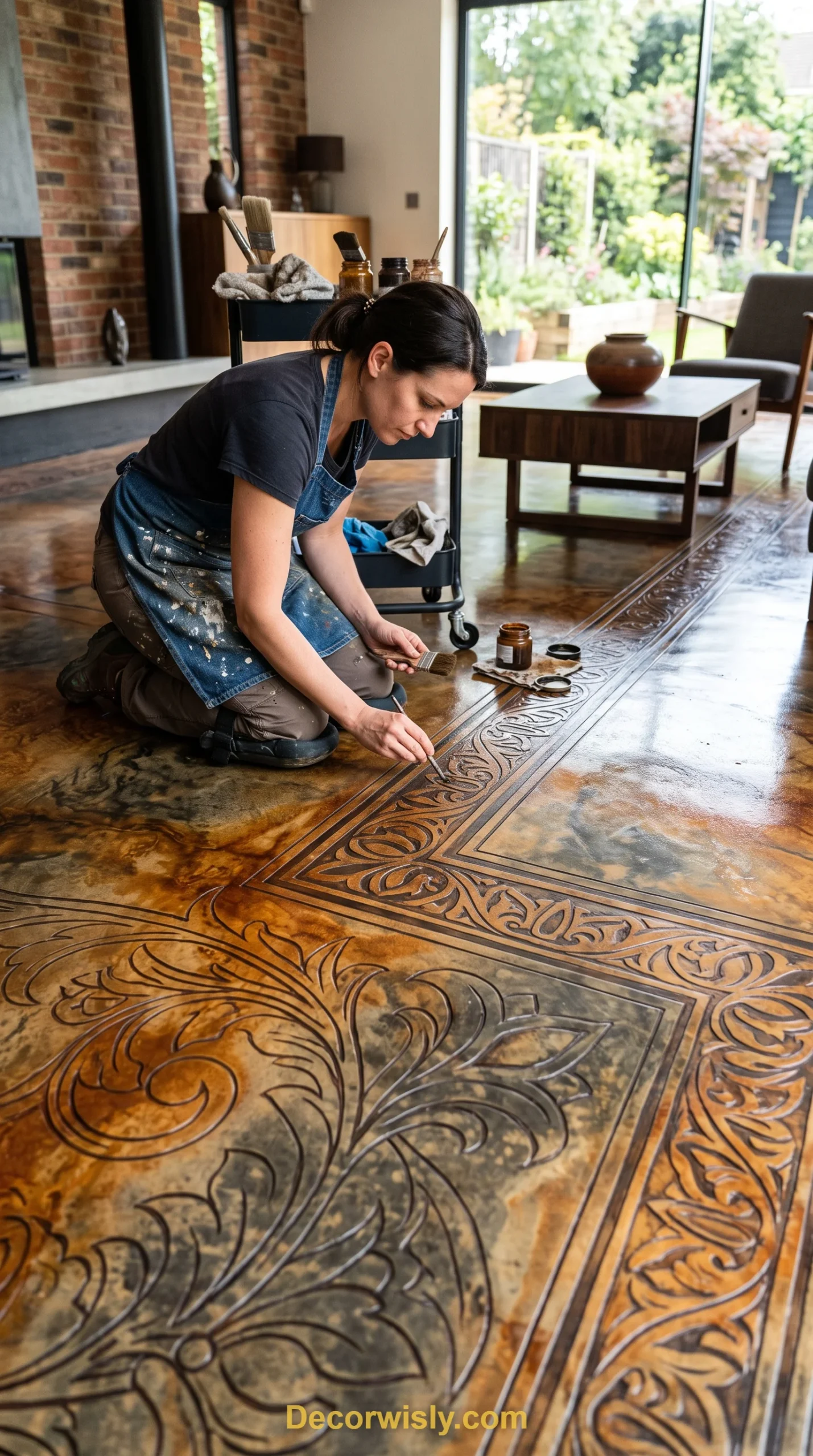
Staining, etching, and texturing techniques let homeowners tailor a concrete floor’s design to their kitchen’s exact personality. The process combines practical durability with genuine artistic expression for a truly custom foundation.
18. Seamless Concrete Elegance
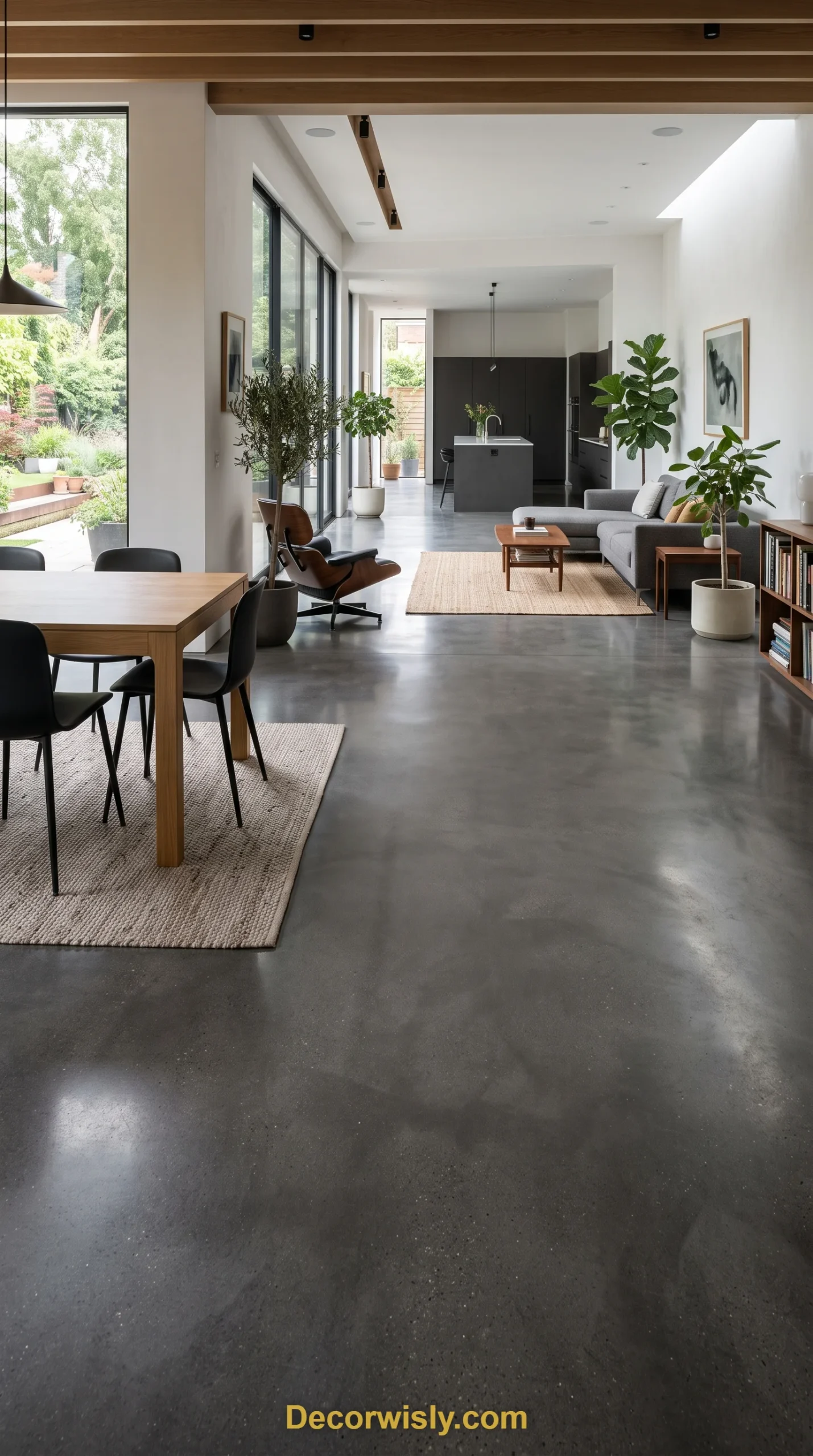
A continuous, joint-free concrete surface creates a unified, elegant look that enhances the flow of the whole kitchen. The uninterrupted finish makes the space feel larger while staying easy to clean and genuinely low-maintenance.
19. Matte Finish Concrete Appeal

A matte finish softens the traditionally industrial look of concrete, offering a subtle, non-reflective surface that minimizes glare. The understated texture pairs well with both modern minimalist and rustic kitchen themes.
20. Metallic Accented Concrete
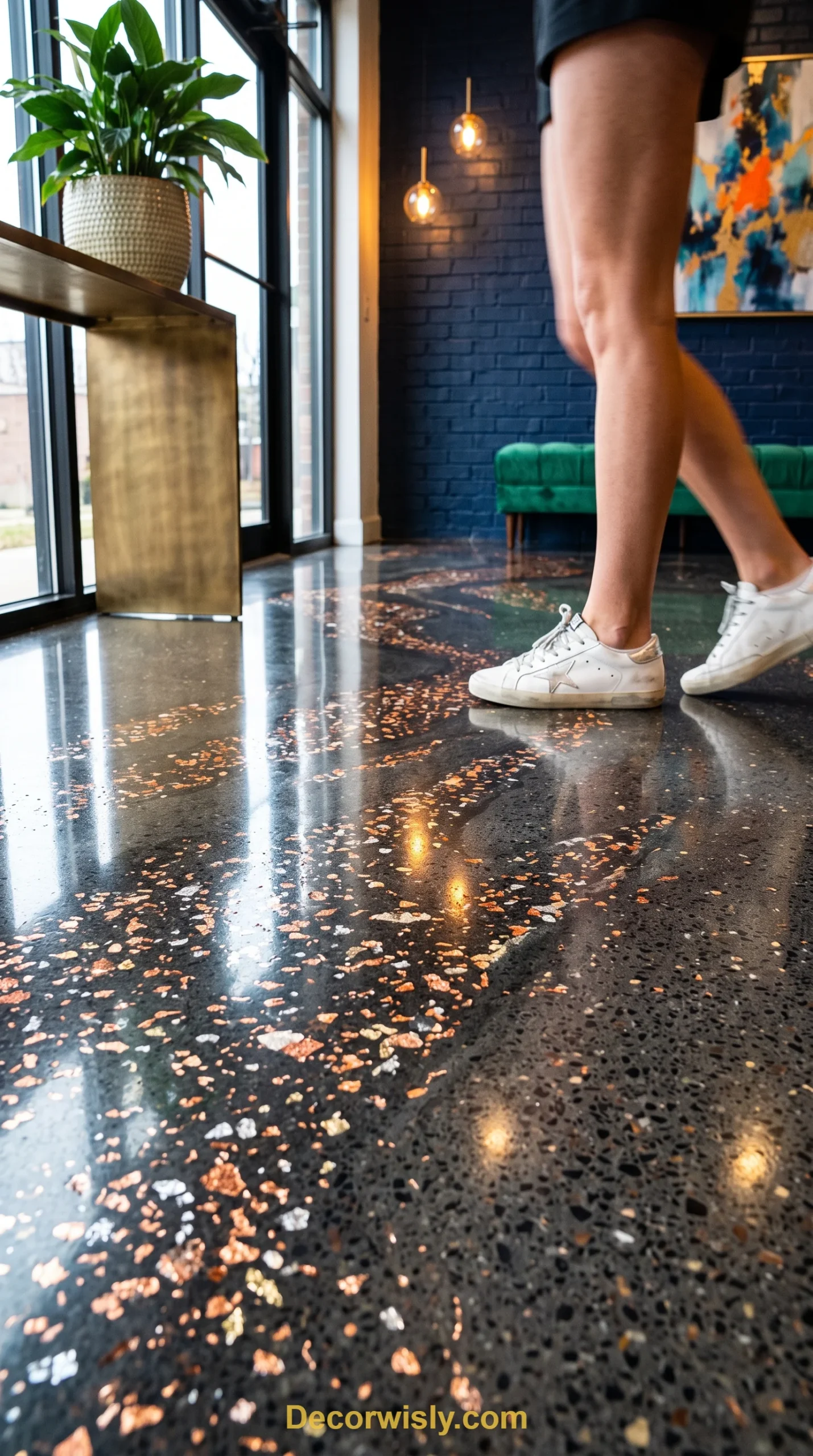
Metallic flecks or finishes worked into concrete flooring add a luxurious shimmer and striking visual contrast. The reflective quality enhances lighting and depth, making the whole kitchen feel more dynamic and vibrant.
21. Brightly Colored Concrete
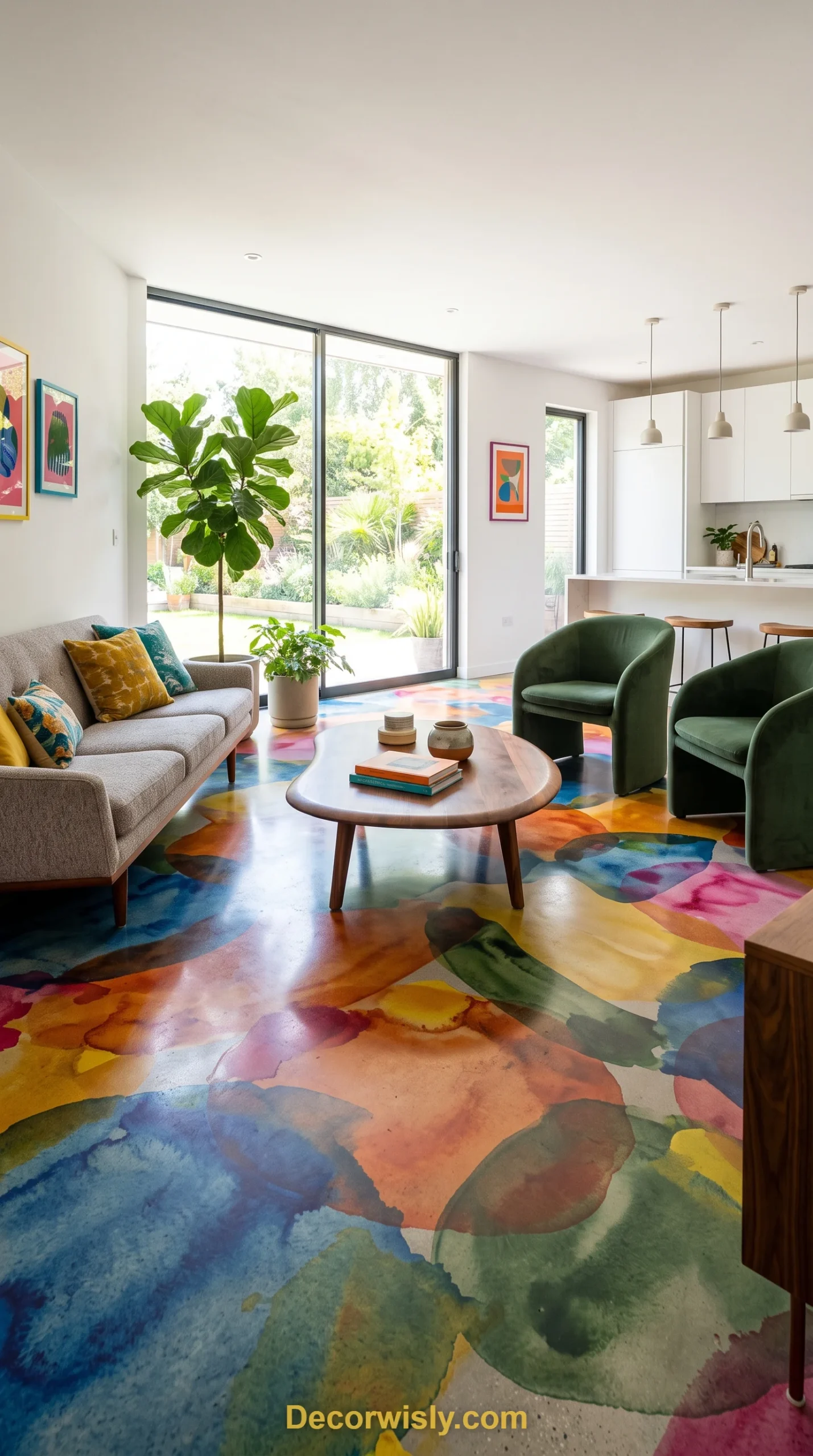
Vibrant stains or pigments turn a concrete floor into a bold departure from the traditional gray palette, while retaining the material’s enduring strength. The lively hues balance modern minimalism with genuine playfulness.
22. Multi-Functional Floor Design

Adaptable, resilient concrete flooring caters to a range of kitchen needs, whether accented with decorative detail or left in its natural raw form. The flexible design supports culinary creativity, casual dining, and everyday practical maintenance alike.
Final Thoughts
Concrete flooring earns its place in modern kitchen design because it manages a genuine range few other materials can match — sleek and reflective in one kitchen, warm and rustic in the next, bold and colorful in another. Whether the direction leans toward a fully polished, light-amplifying surface or a raw, textured floor paired with reclaimed wood, concrete adapts easily while staying genuinely durable and low-maintenance. Choose the finish that fits your kitchen’s overall style, and the floor becomes a lasting foundation rather than a passing trend.