
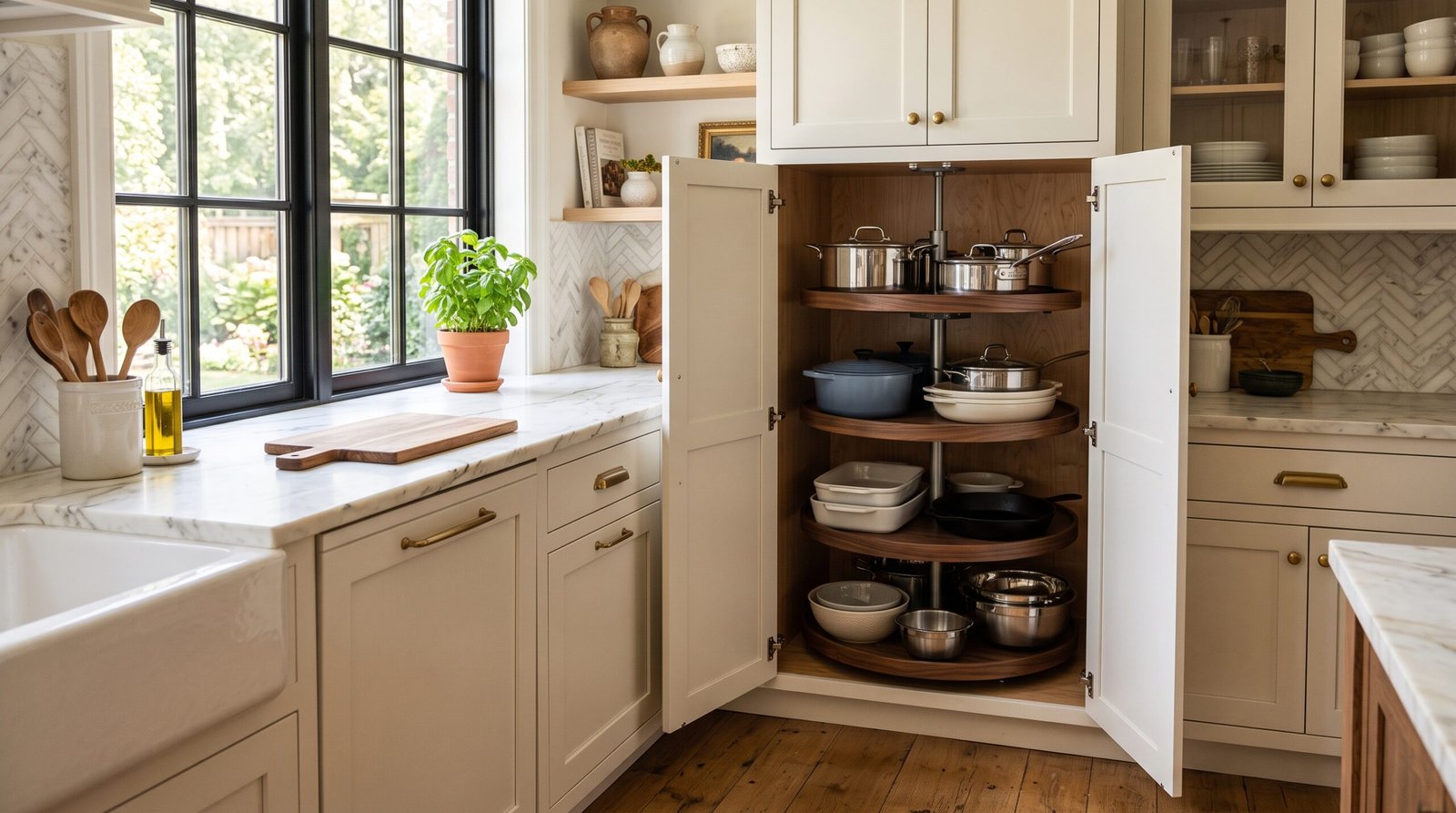
Every kitchen with an L-shaped layout has one — that deep, awkward corner cabinet where anything pushed toward the back seems to vanish for good. Blind corners waste more usable space than almost any other spot in the kitchen, but the right hardware or layout change can turn that dead zone into some of the most efficient storage in the whole room. Here are 22 ways to reclaim a blind corner cabinet, ranging from simple pull-out mechanisms to fully custom modular systems.
1. Innovative Slide-Out Shelves
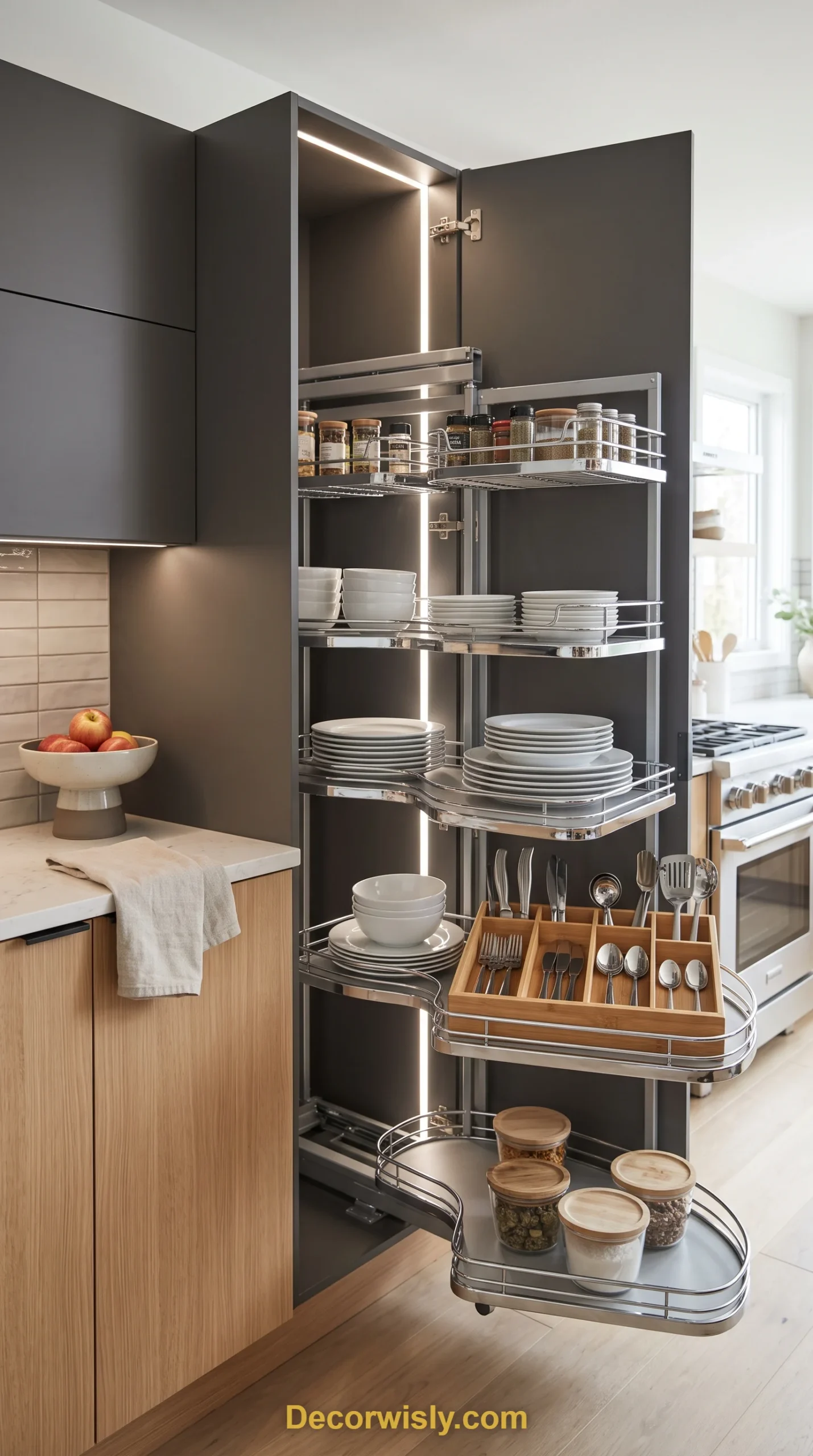
Slide-out shelves offer a timeless solution to unreachable corners, with trays that glide smoothly forward to reveal organized compartments for dishes, spices, and utensils. Durable, easy-to-clean construction reduces clutter and simplifies meal prep, turning a genuinely challenging space into one of the kitchen’s most functional storage areas.
2. Efficient Lazy Susan Solutions
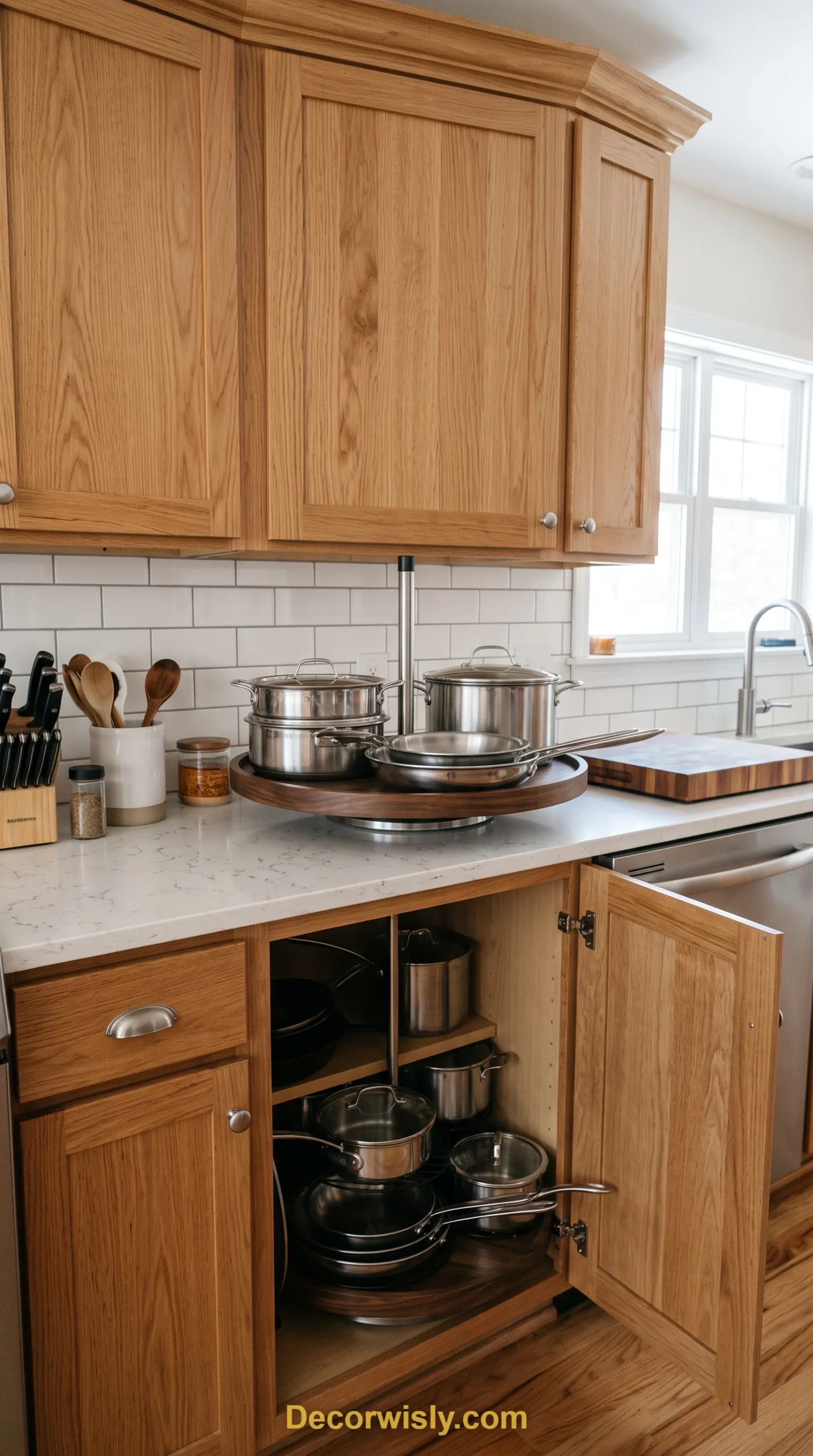
A rotating Lazy Susan brings classic ingenuity to a blind corner, its circular trays letting every part of the deep space stay within reach. Perfect for pots, pans, and gadgets in a compact kitchen, the smooth rotation minimizes clutter while making the whole corner feel genuinely usable again.
3. Smart Pull-Out Racks
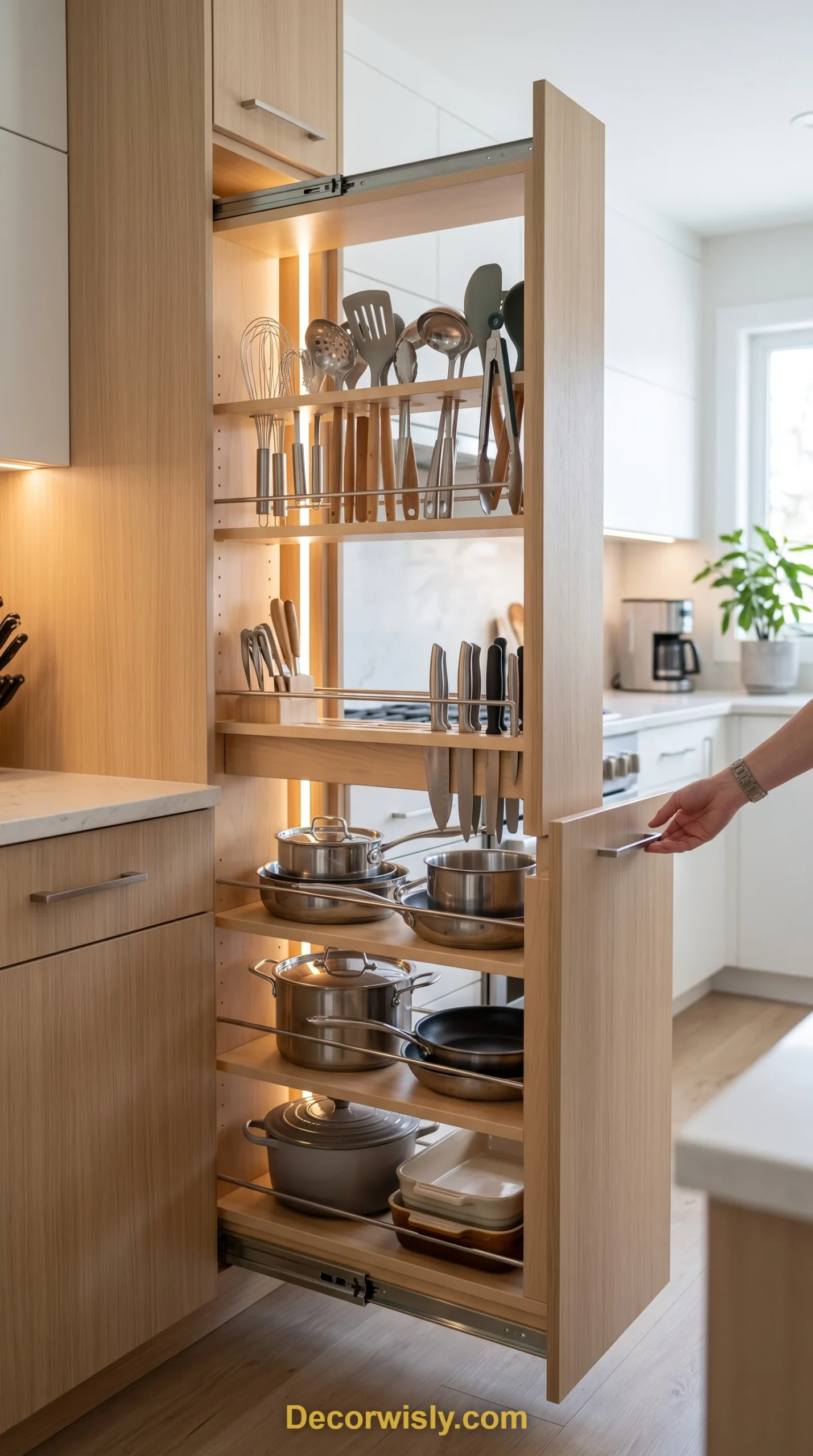
Pull-out racks integrated directly into the cabinet slide smoothly forward to reveal neatly arranged utensils, spices, or cookware. By optimizing every hidden corner, these racks keep items within easy reach and cut down on search time during a busy cook, all while adding a cleaner, more modern look to a traditionally frustrating space.
4. Open Shelving in the Corner
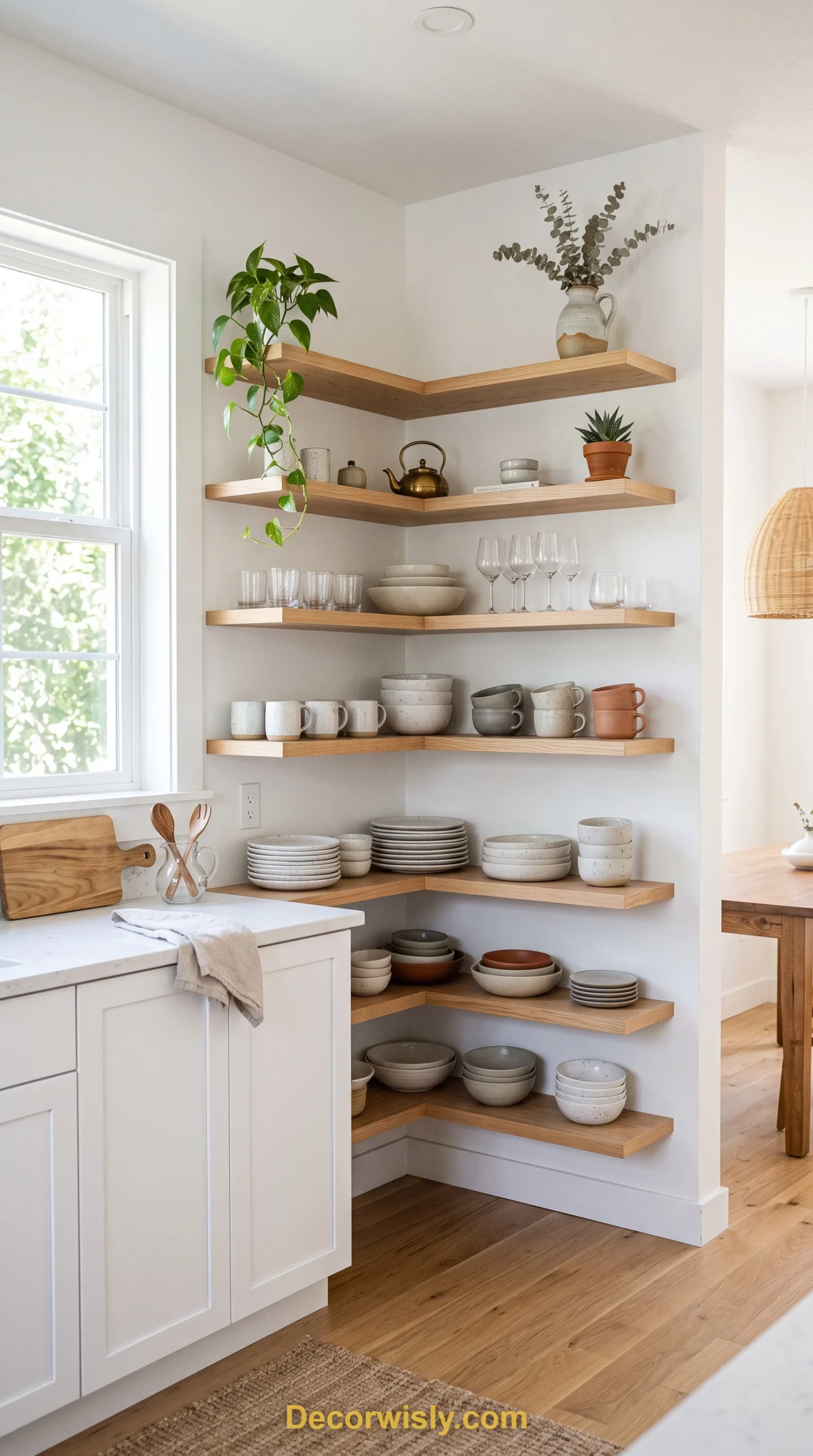
Swapping an enclosed blind cabinet for open shelving brings a lighter, airier feel to the kitchen while keeping favorite dishware visible and within reach. The design turns a neglected corner into a genuine decorative focal point, with clean lines and a minimalist look that brightens the whole space.
5. Integrated Appliance Garages
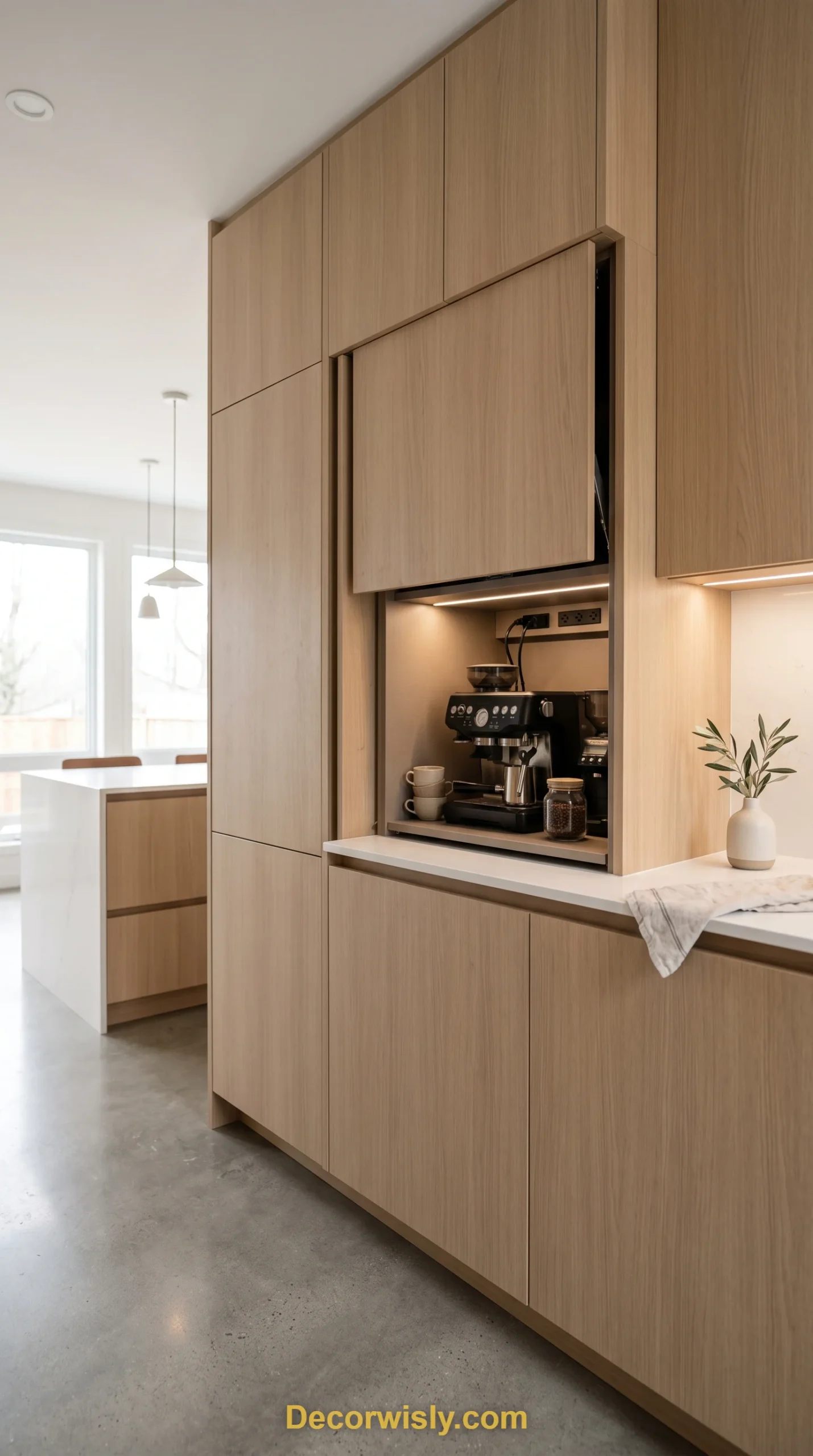
An appliance garage tucked into the blind corner hides small devices like toasters and blenders behind a flush cabinet front, keeping the countertop clear while the appliances stay genuinely accessible. It’s a practical way to turn unused depth into real, functional storage without cluttering the visible kitchen.
6. Corner Drawers for Easy Reach
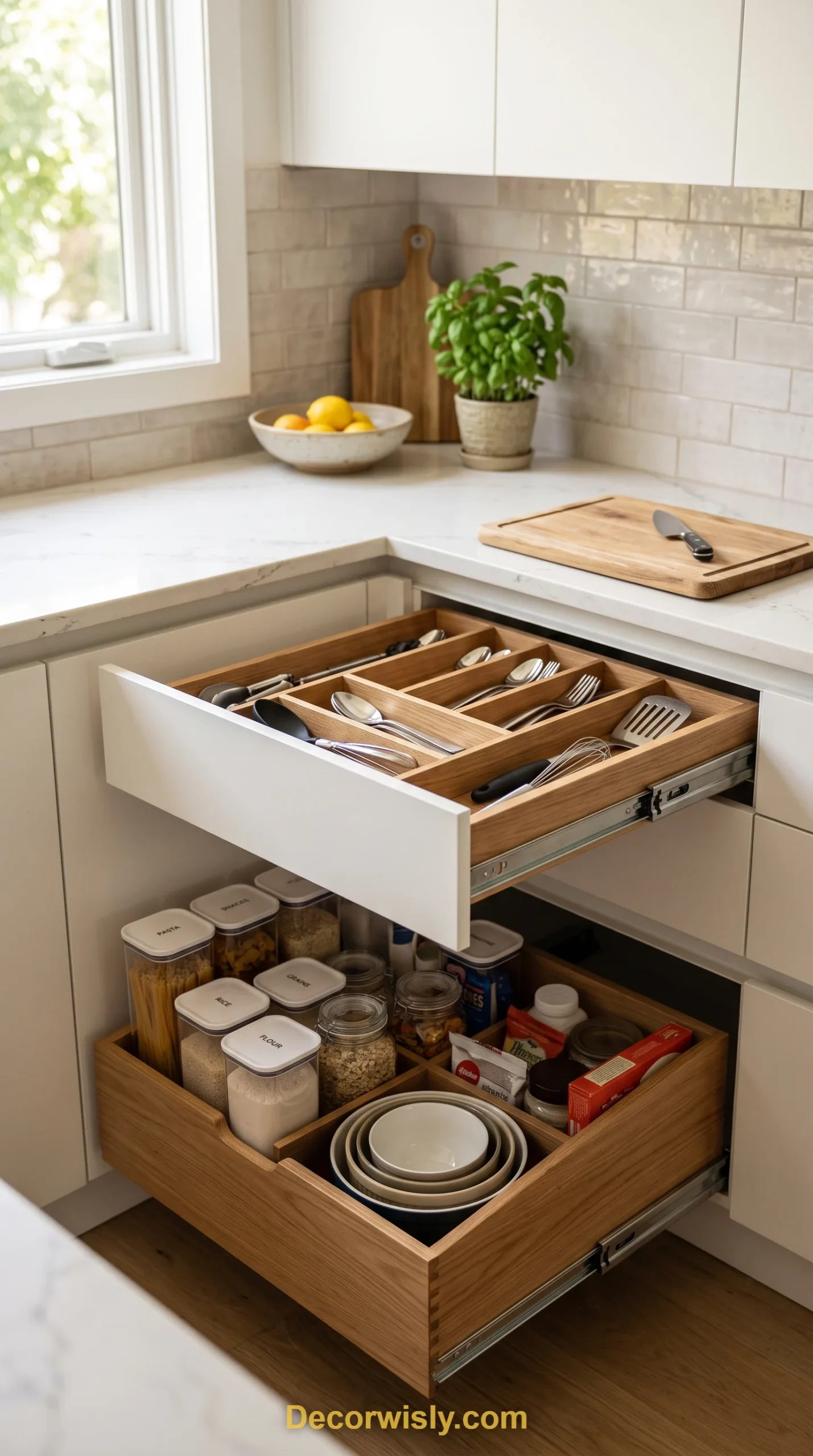
Purpose-built corner drawers use a smart internal layout to make even the deepest part of a blind cabinet fully accessible. Customized dividers and smooth sliding mechanisms keep utensils and daily essentials easy to reach, transforming a tricky corner into orderly, practical storage.
7. Diagonal Cabinet Doors
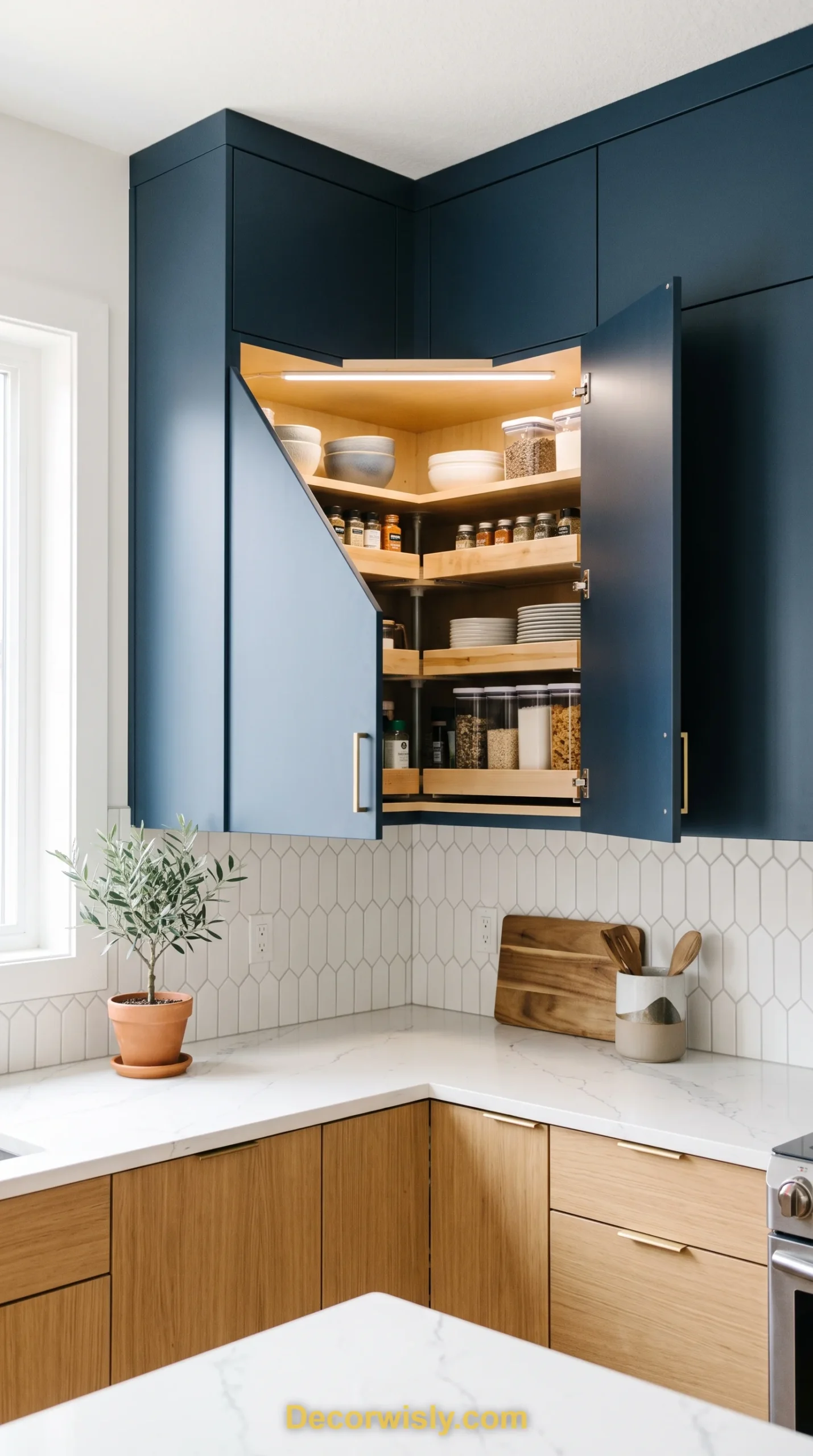
Angling the cabinet door diagonally opens up a wider view directly into the blind corner, making retrieval considerably easier without a full mechanical overhaul. The subtle design tweak blends style with practicality, significantly improving day-to-day organization in a space that’s normally hard to see into.
8. Vertical Storage Solutions
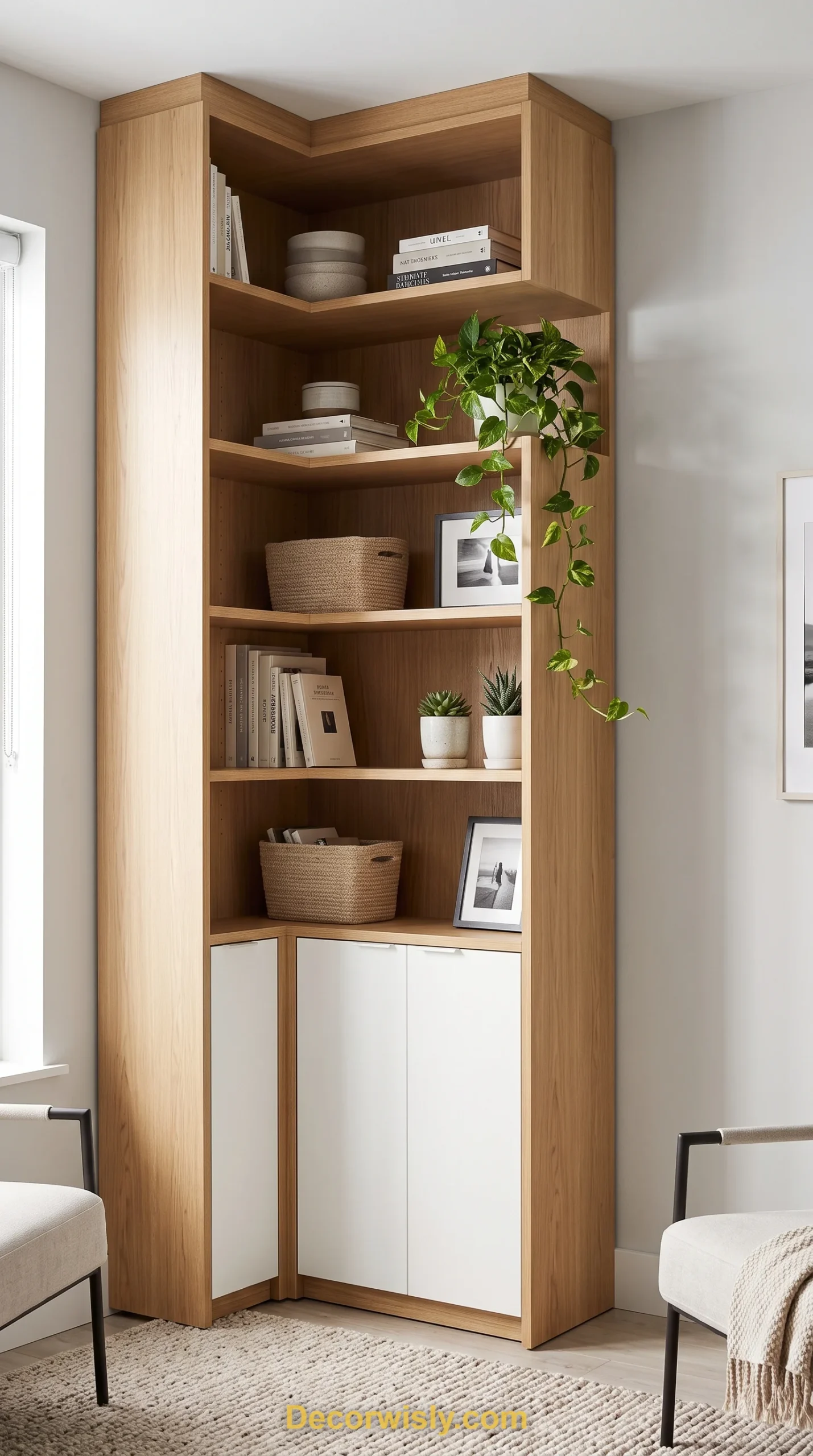
Stacking storage vertically rather than relying purely on depth makes better use of a blind corner’s full height. Adjustable shelves and compartments arranged upward ensure every item has a designated spot, boosting both accessibility and visual order throughout the cabinet.
9. Customized Lighted Cabinets
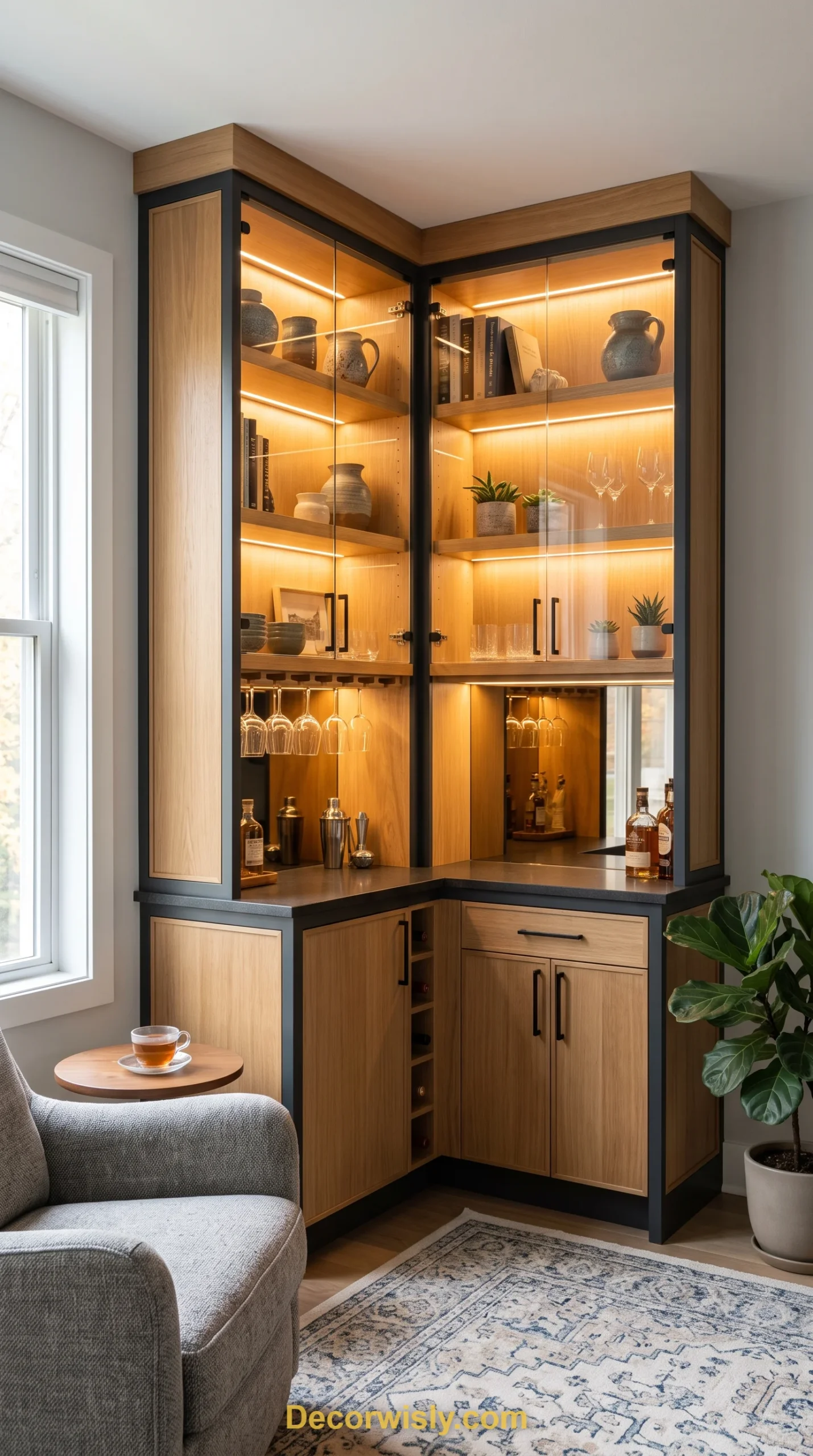
Built-in LED lighting reveals every part of a blind corner cabinet that would otherwise stay dark, turning a dim, hard-to-see nook into a genuinely inviting storage space. Beyond helping locate ingredients in low light, the warm glow adds a considered, modern touch to the whole kitchen.
10. Multi-Functional Design
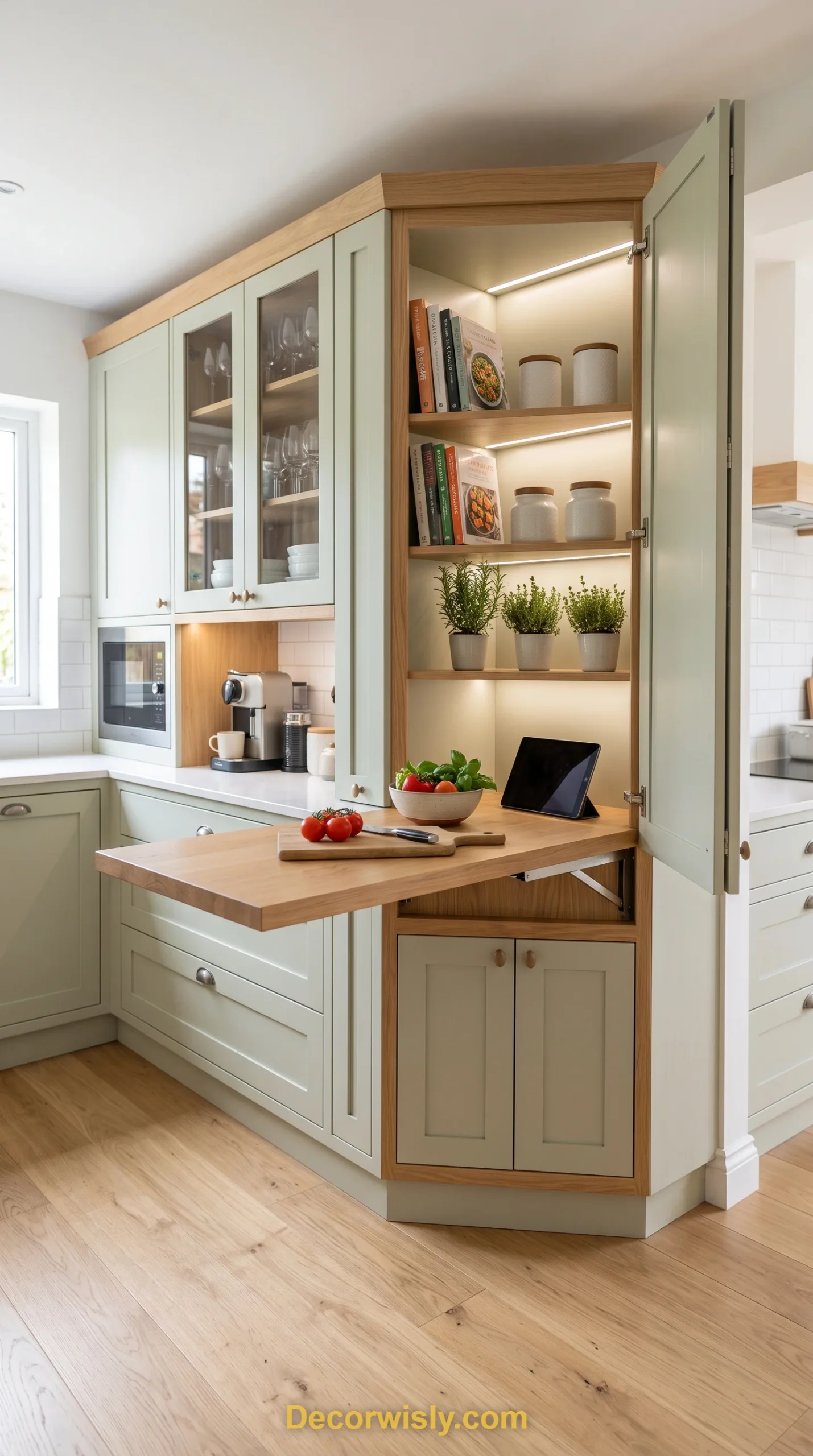
Rather than treating a blind corner as storage alone, a multi-functional layout can merge a fold-out prep surface or small workbench with the cabinet’s storage capacity. Every inch serves double duty, making the space especially valuable in smaller kitchens where every corner needs to count.
11. Glass Front Cabinetry
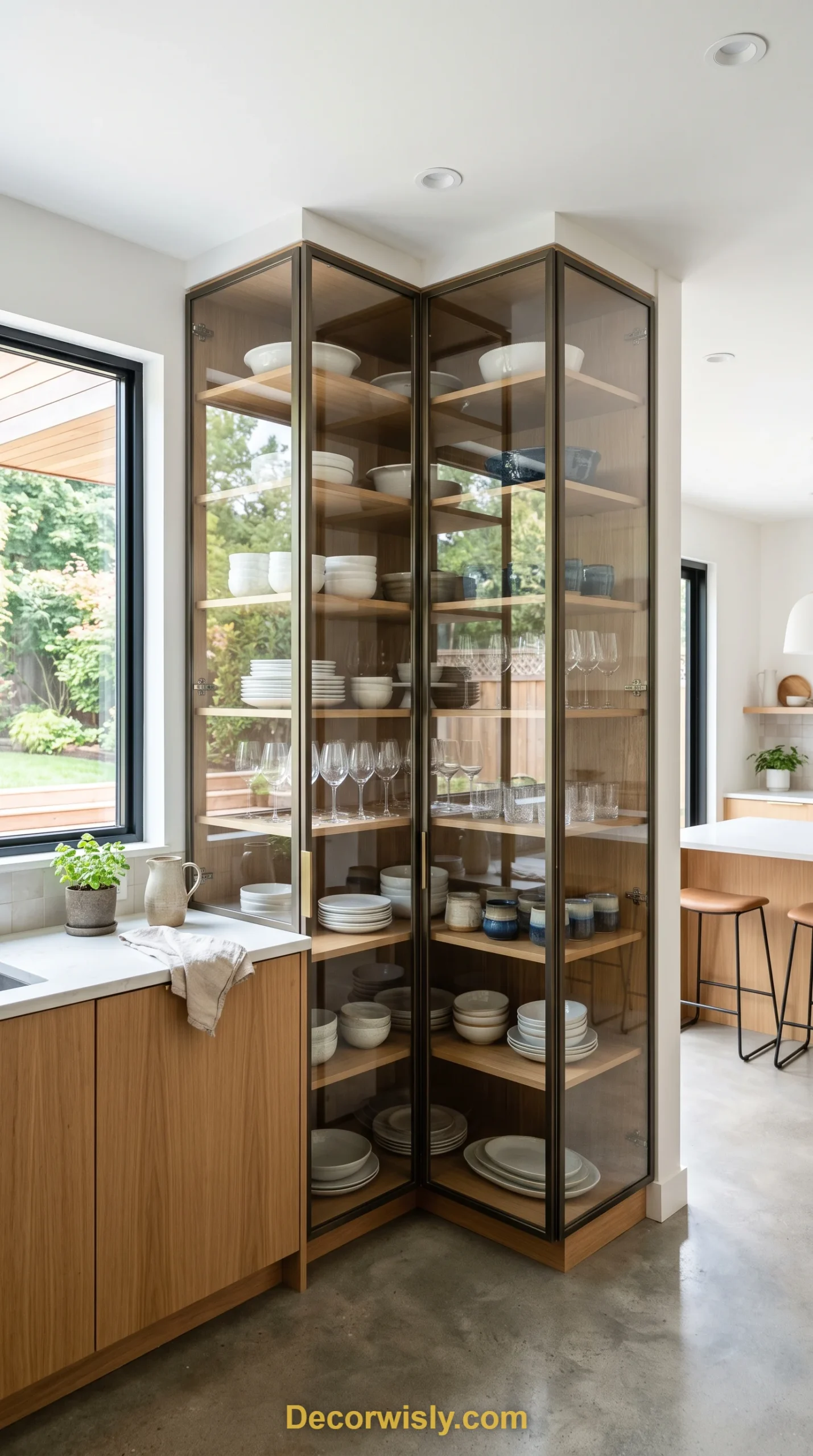
Swapping a solid door for glass on a blind corner cabinet lets natural light filter through while showcasing dishware or decorative pieces. The transparent front creates a more open feel throughout the kitchen, turning a storage necessity into a genuine design statement.
12. Space-Saving Organizers
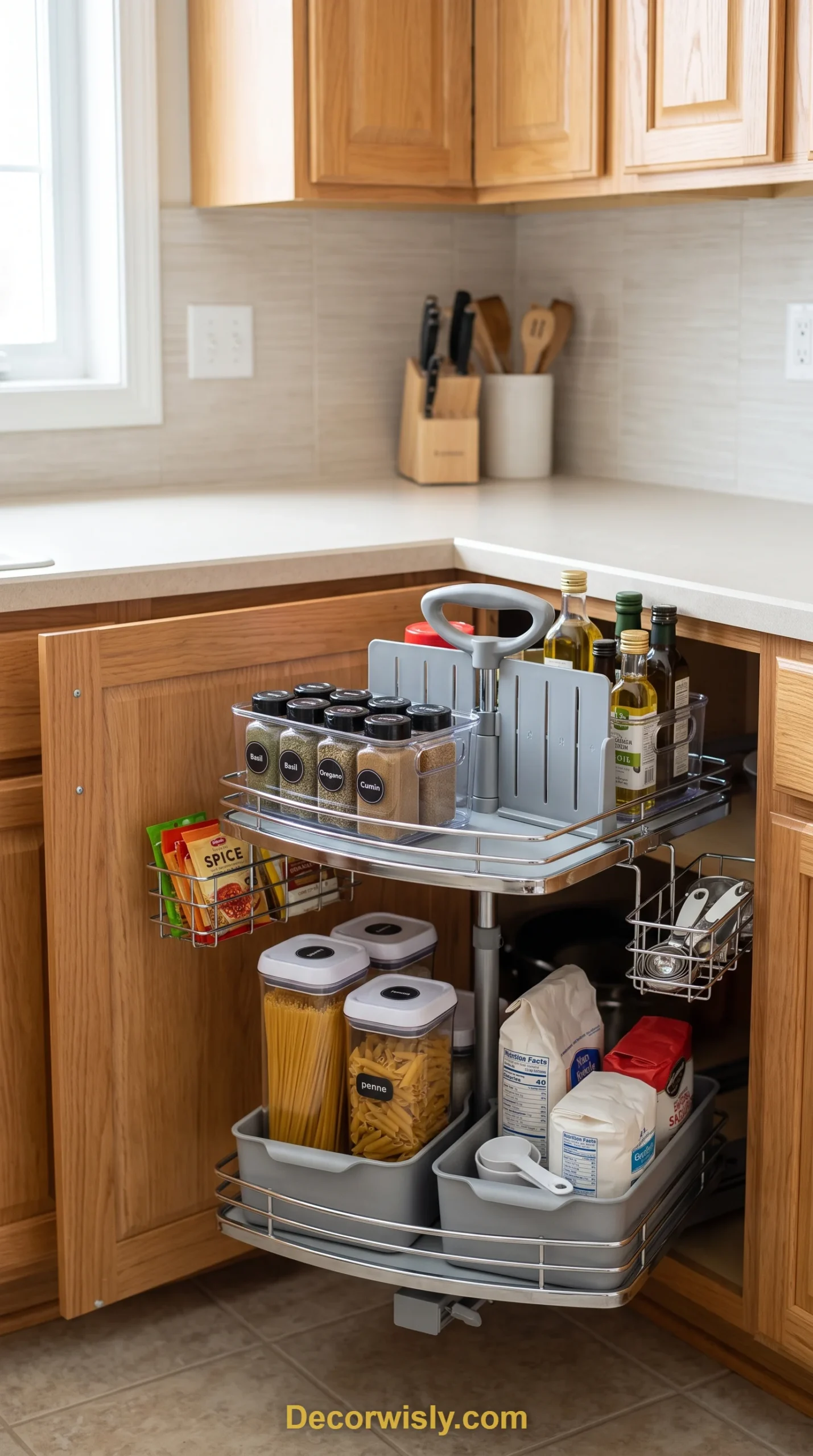
Adjustable dividers, pull-out bins, and tailored trays rework a blind corner’s interior so similar items — lids, cups, baking tools — group together for quick access. The system curbs clutter effectively, making daily meal prep considerably faster and less stressful.
13. Hidden Spice Pulls
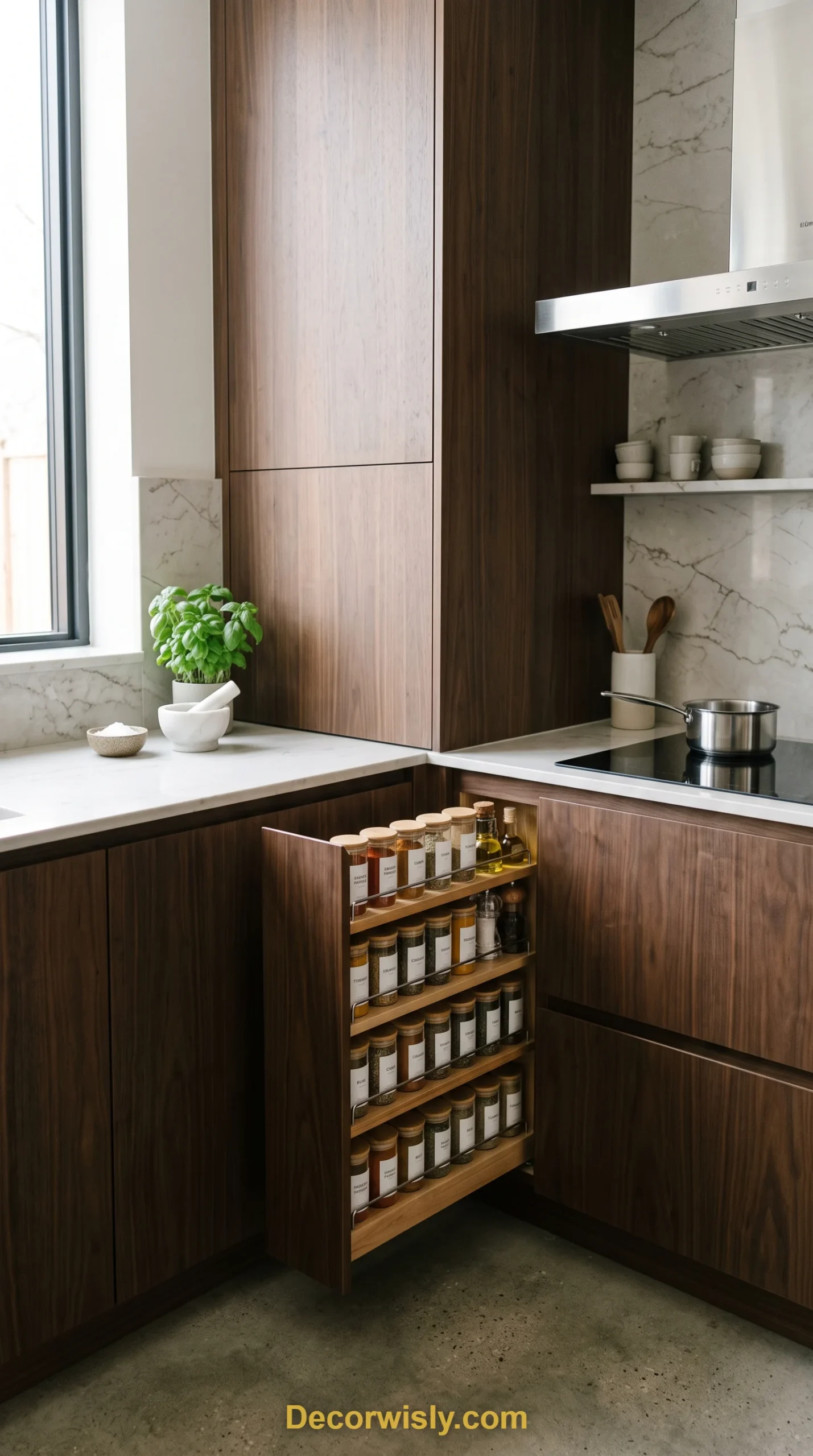
A retractable tray tucked into the blind corner keeps spices and condiments neatly organized without disrupting the cabinet’s clean exterior. It’s an especially smart move for smaller kitchens, optimizing an otherwise underused space while adding a touch of quiet sophistication to daily cooking.
14. Under-Cabinet Lighting
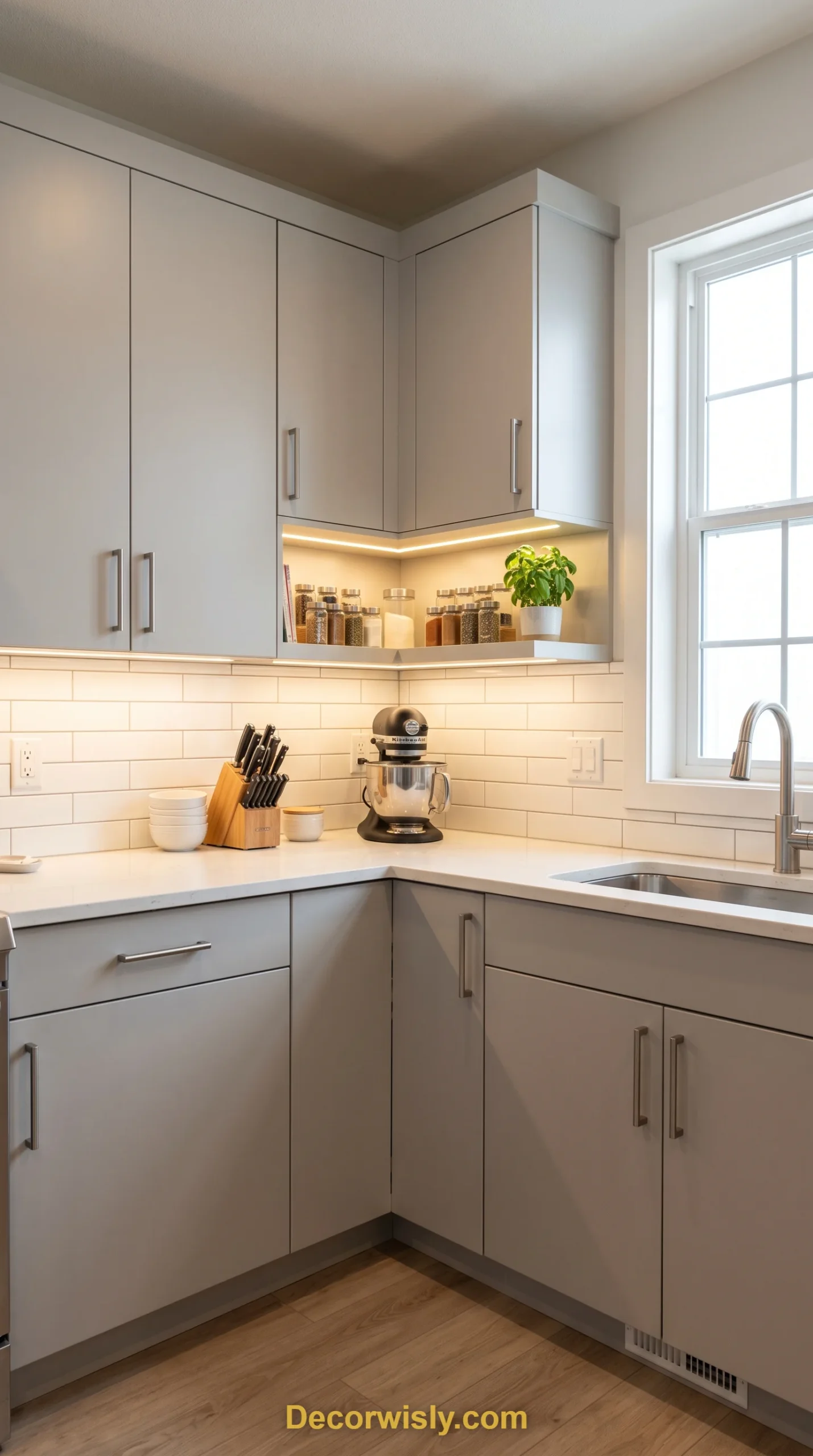
Strategically placed LED strips beneath the cabinetry cast a bright, even glow directly onto the blind corner’s contents, making it far easier to locate items during meal prep. Beyond function, the added light gives the whole kitchen a more polished, modern ambiance while improving everyday safety.
15. Dual-Purpose Cabinets
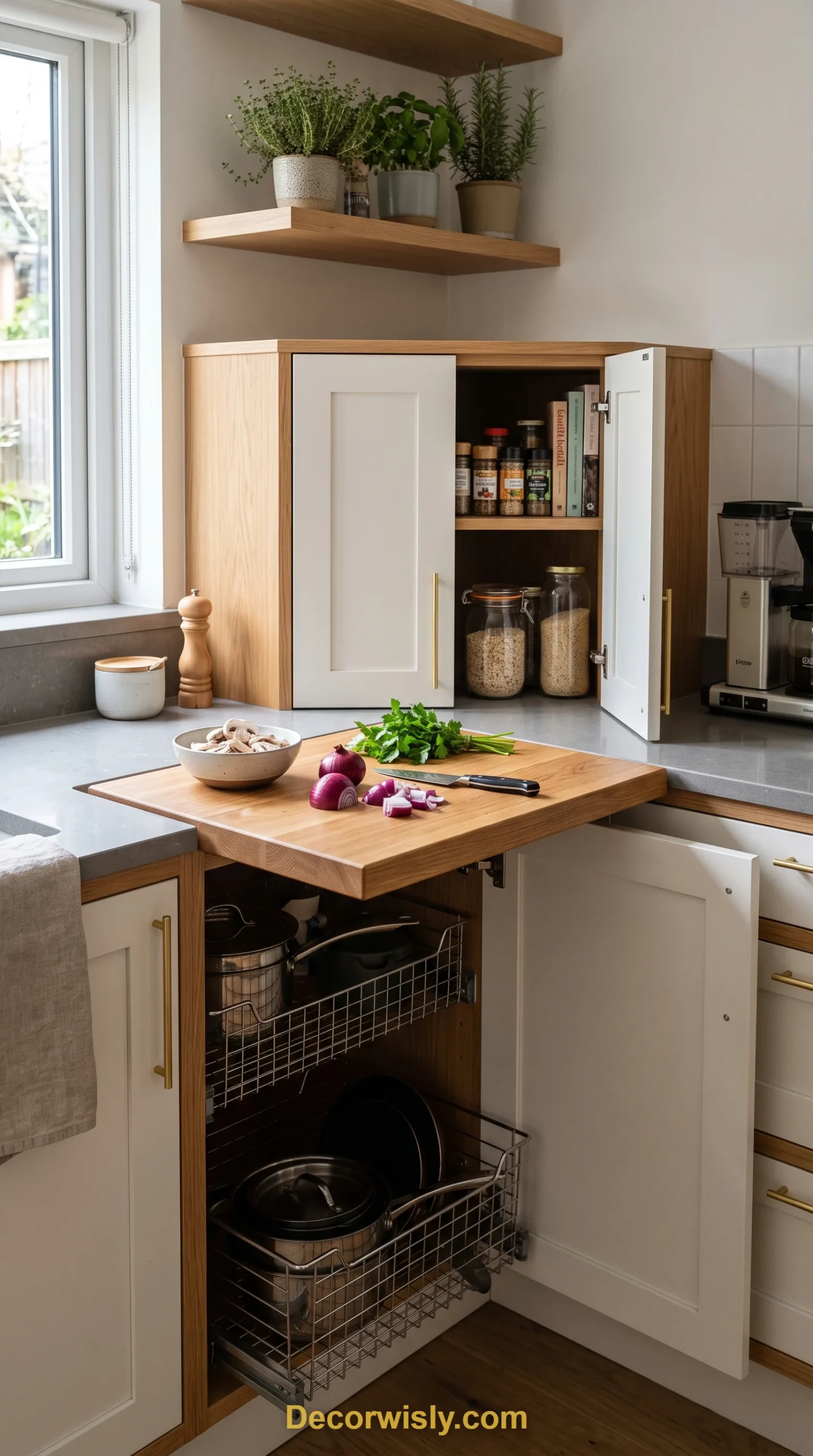
Fold-out chopping boards or compact prep areas built into a blind corner cabinet extend its usefulness well beyond simple storage. Every inch works double duty, merging everyday practicality with a smart design that suits the space constraints of a compact kitchen.
16. Compact Recycling Systems
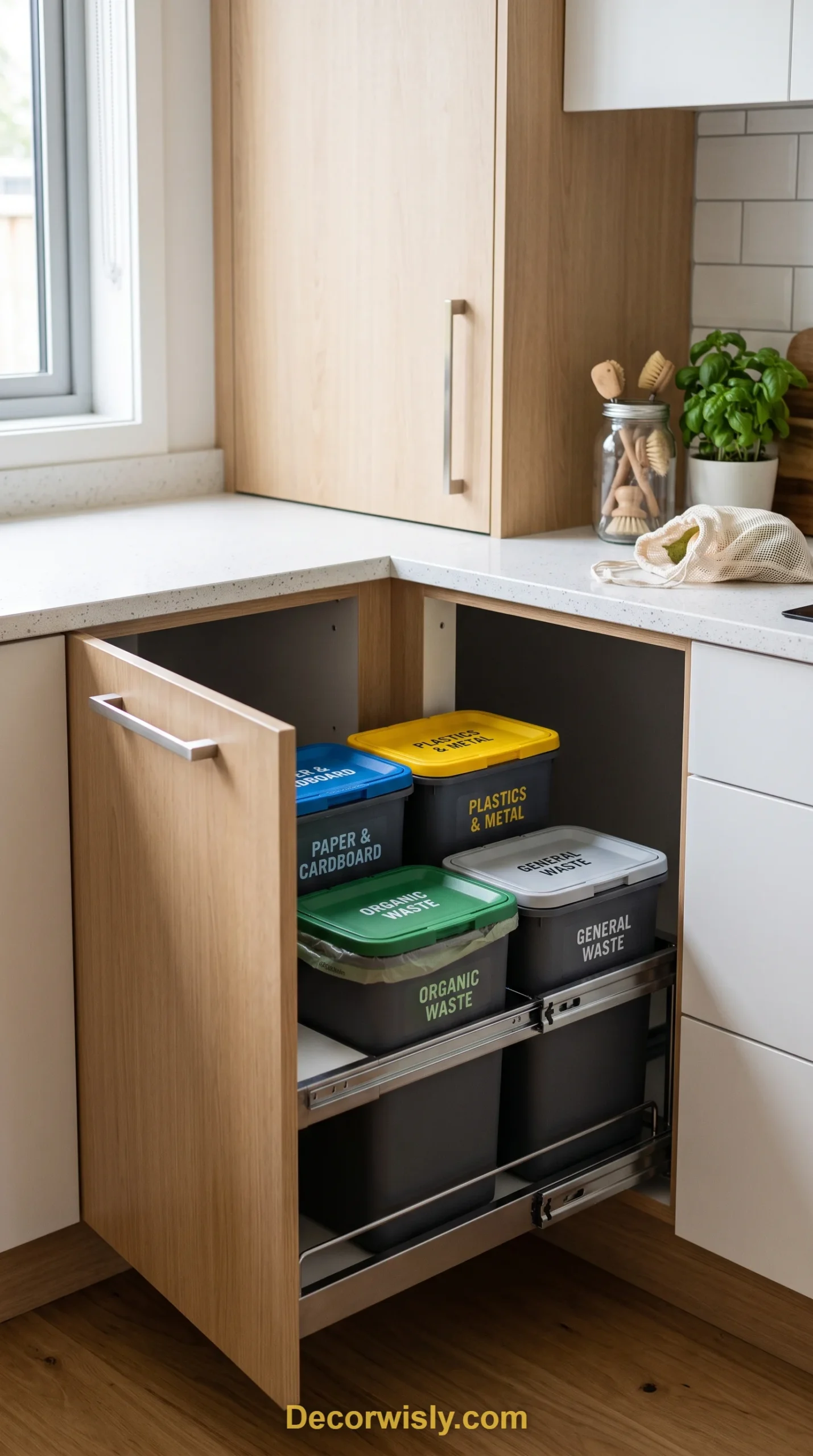
Fitting a recycling system into a blind corner cleverly merges eco-conscious habits with efficient use of narrow space. Designated compartments separate recyclables from general waste, keeping the whole cleanup process simple while blending seamlessly into the surrounding cabinetry.
17. Adjustable Shelf Systems
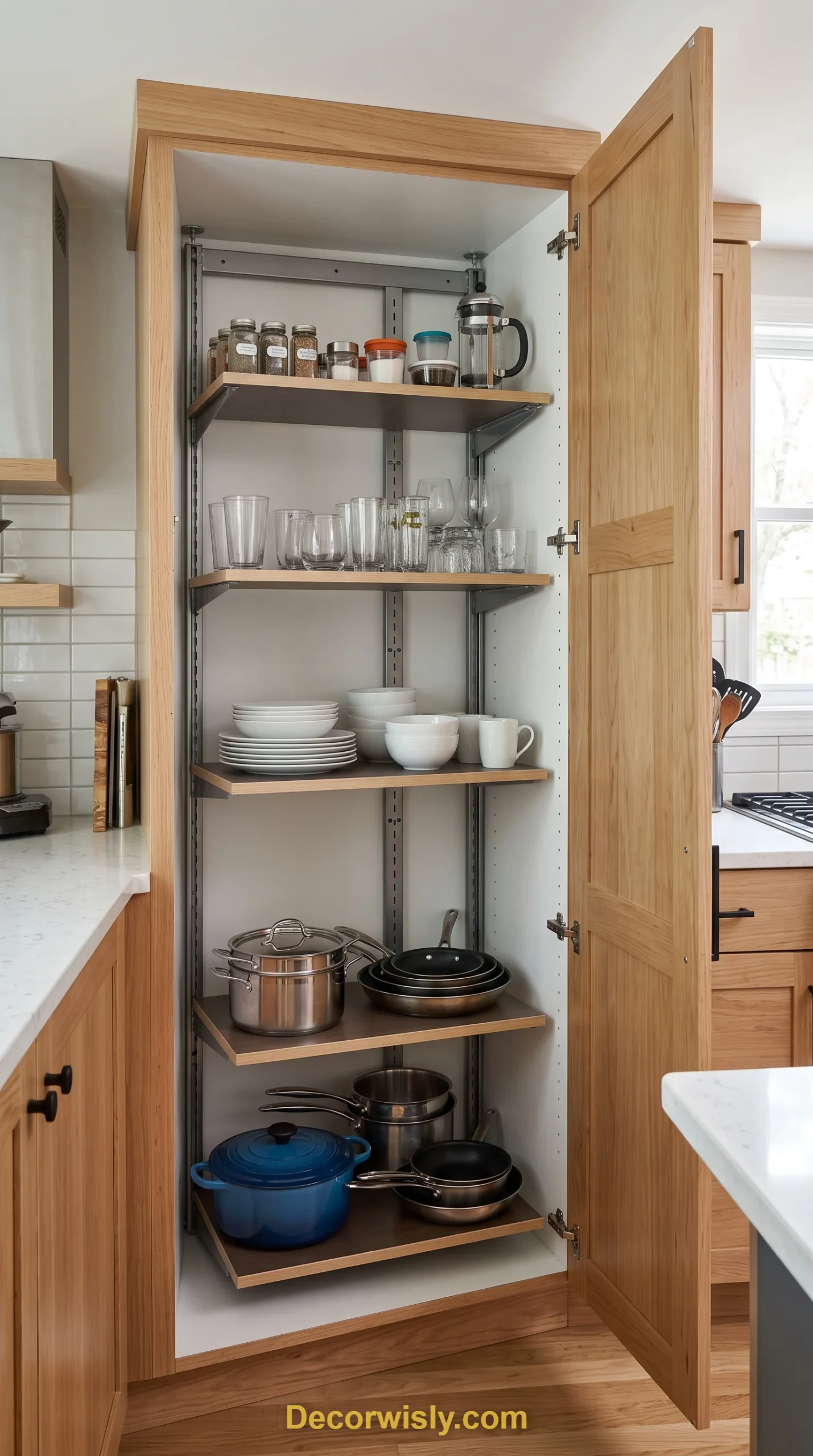
Shelves that reconfigure to different heights let a blind corner cabinet adapt to bulky cookware one week and delicate dishware the next. The flexibility ensures maximum use of every hidden inch, evolving naturally alongside a household’s changing culinary habits.
18. Minimalist Design for Clarity
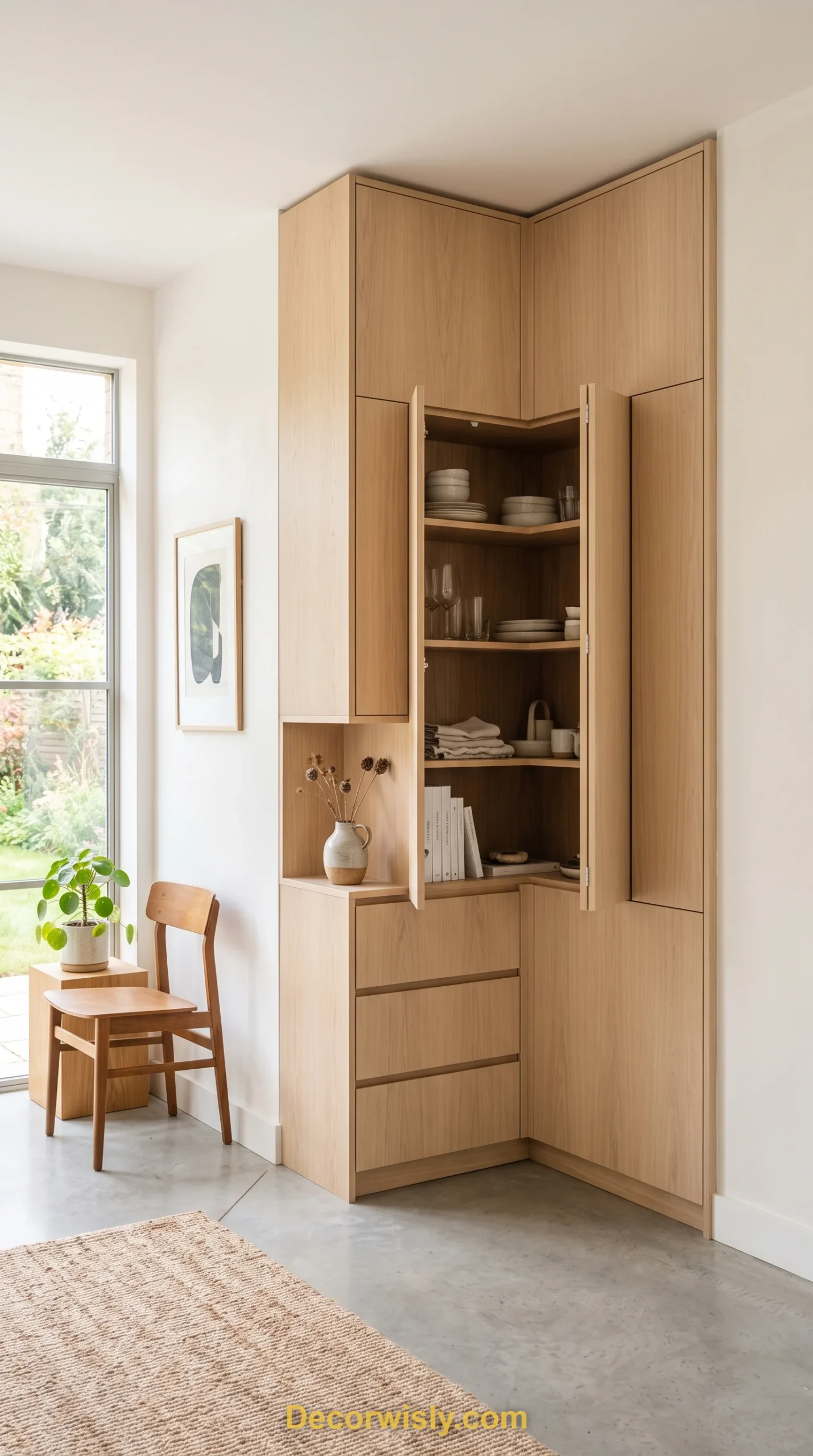
Stripping away unnecessary hardware and embellishment turns a blind corner into a calm, orderly space built on clean lines and straightforward function. Concealed hardware and uniform finishes give every item a polished place, brightening the whole kitchen’s flow in the process.
19. Deep Storage Drawers
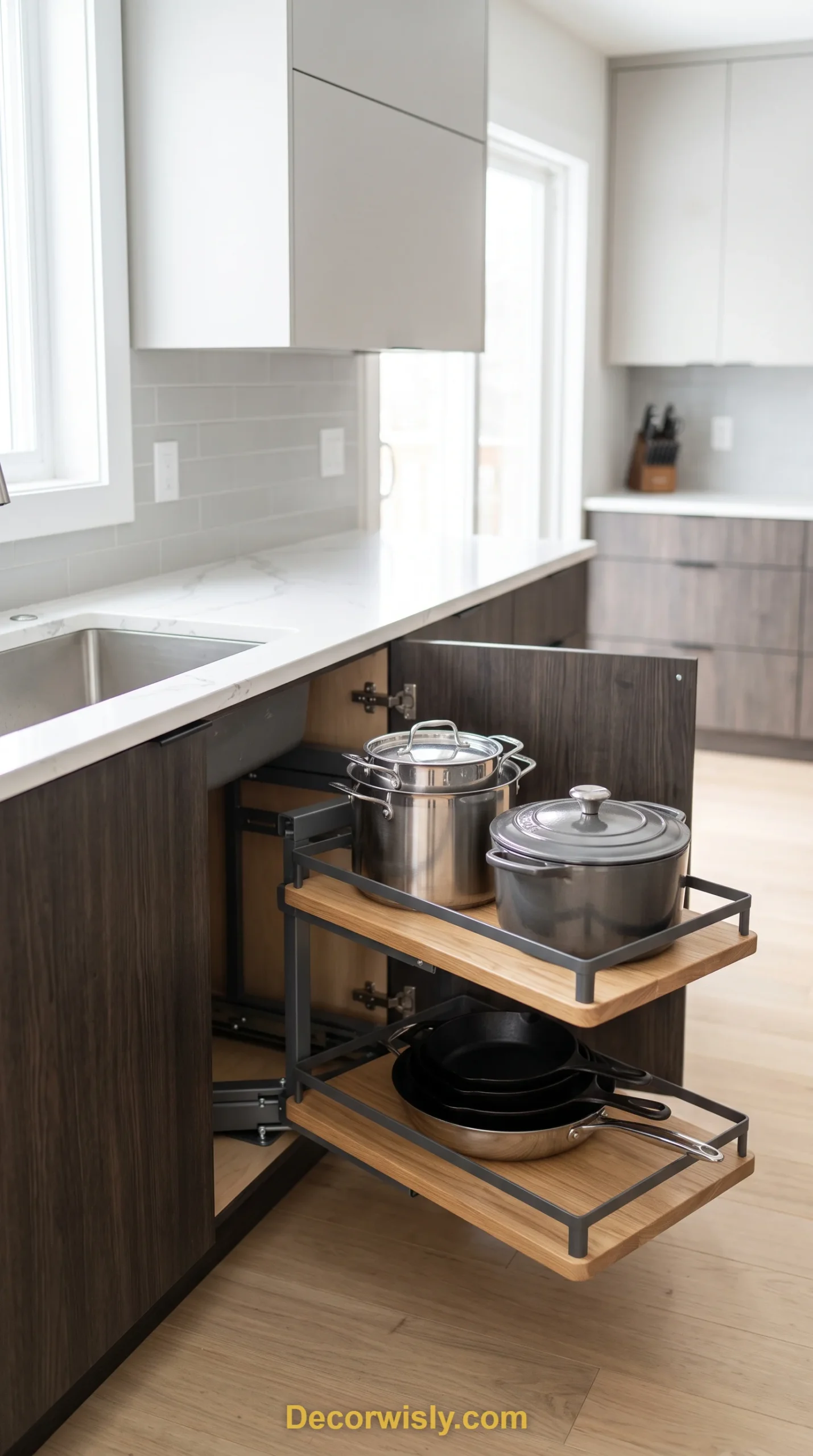
Deep drawers engineered specifically for blind corners extend gracefully outward, offering generous room for bulky pots, pans, and larger kitchen tools. Quiet glide mechanisms and sturdy construction keep everything secure and genuinely easy to retrieve, rather than lost at the back of the cabinet.
20. Customized Modular Inserts
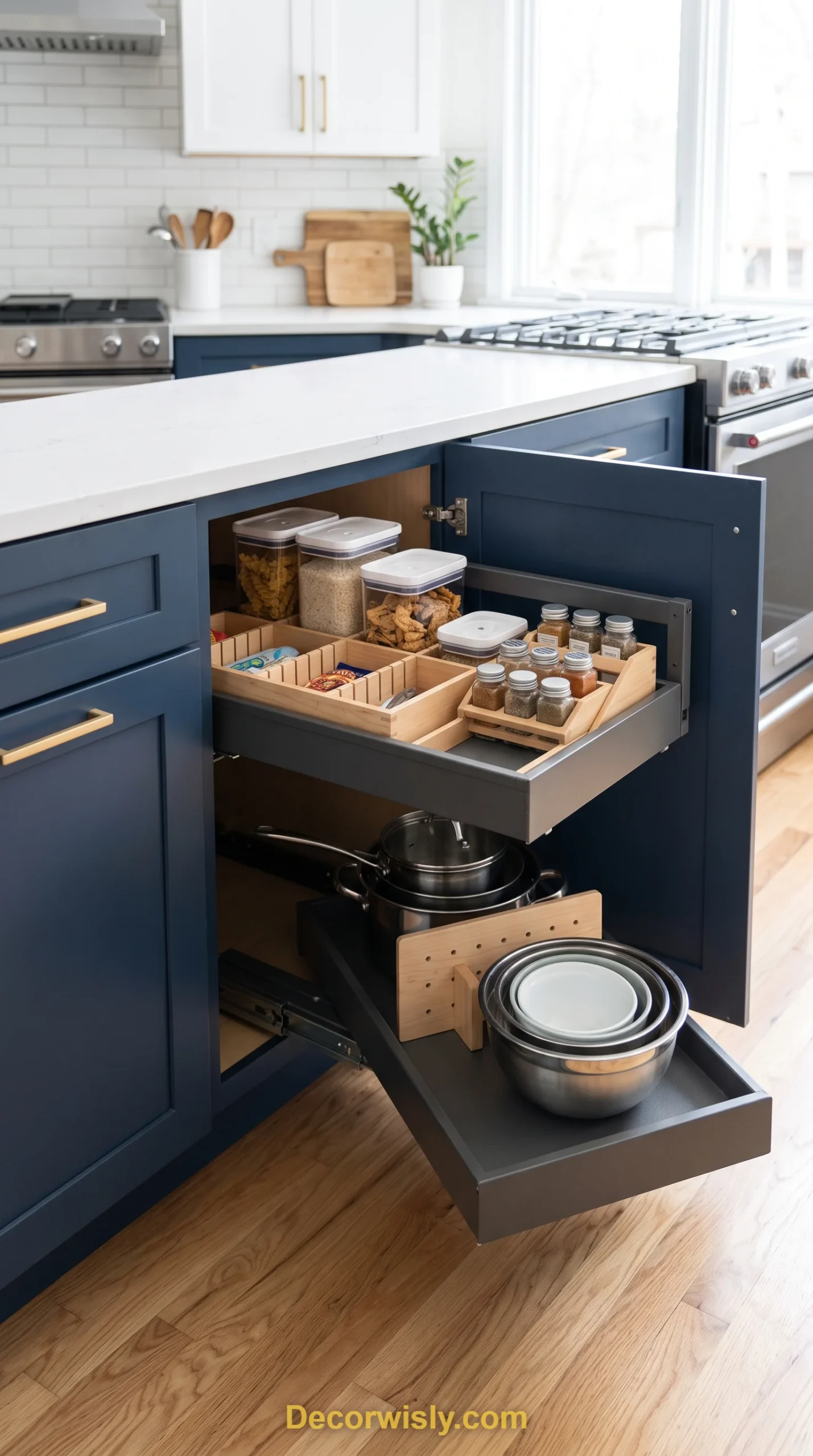
Tailored compartments and adjustable dividers turn a blind corner into a meticulously organized zone for cutlery, baking trays, or cookware. The modular approach means storage can be reconfigured as needs change, keeping the space efficient well into the future.
21. Hidden Pop-Up Outlets
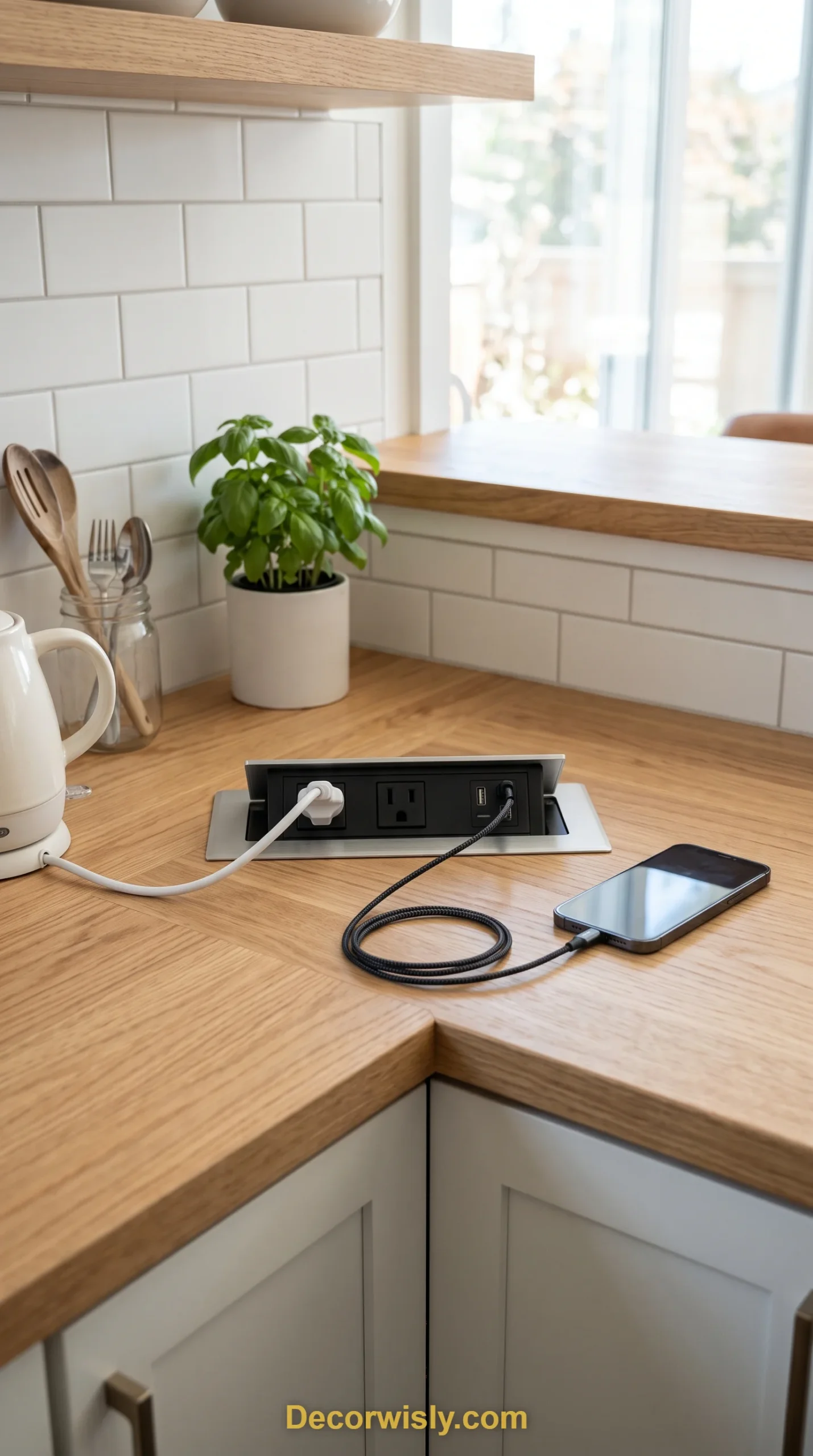
A discreet pop-up outlet tucked into a blind corner cabinet provides convenient power for charging gadgets or running under-cabinet lighting, staying hidden until it’s actually needed. The subtle addition merges modern convenience with the cabinet’s otherwise clean design.
22. Versatile Access Solutions
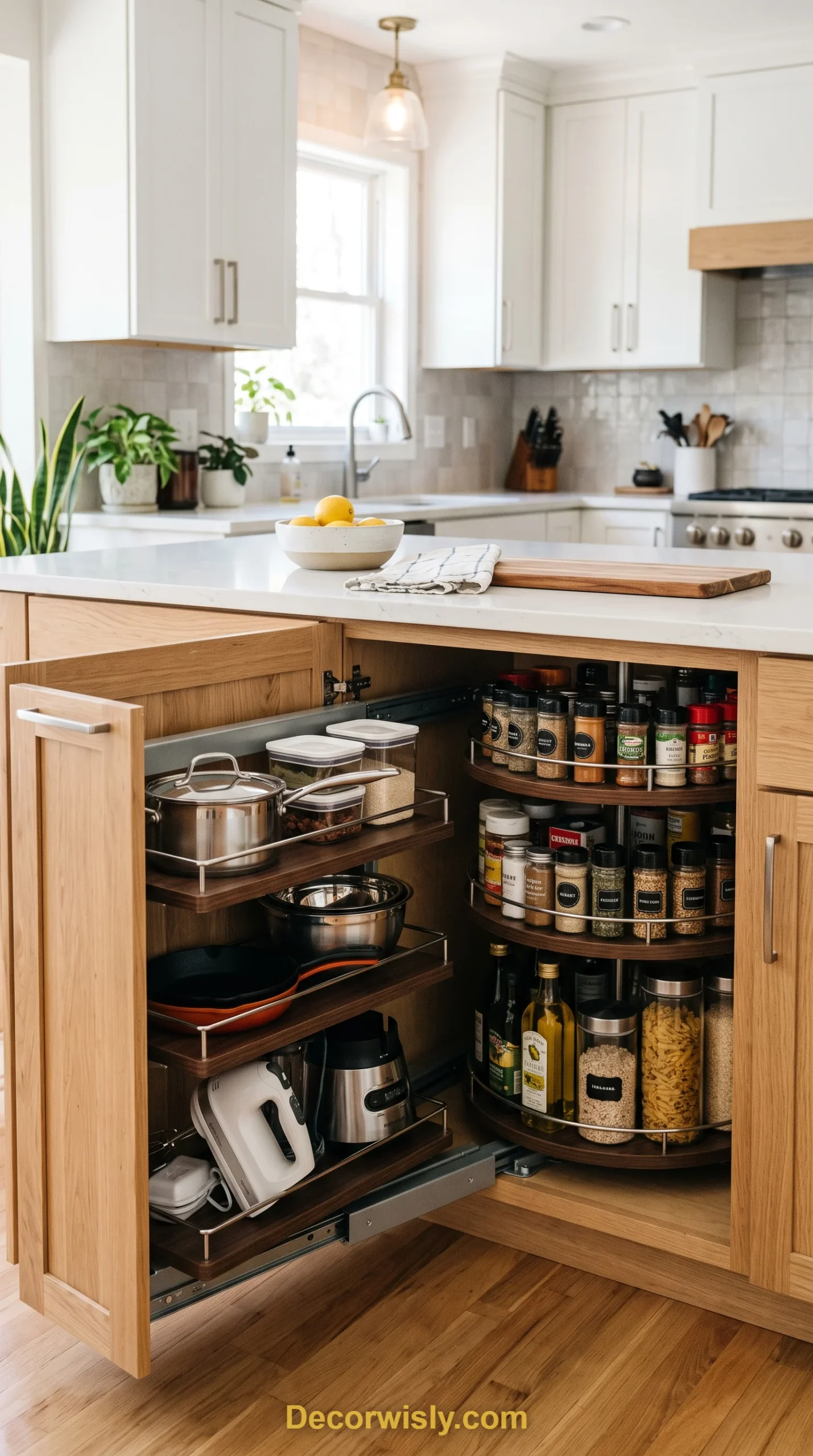
Combining pull-outs, rotating trays, and adjustable shelving into one integrated system makes the absolute most of a blind corner’s full capacity. This comprehensive approach reduces the daily frustration of unreachable space, turning a problem corner into one of the kitchen’s most dynamic storage zones.
Final Thoughts
A blind corner cabinet doesn’t have to stay the dead zone it’s often written off as — the right combination of pull-out hardware, rotating trays, or a custom modular insert can turn it into some of the most genuinely useful storage in the entire kitchen. Whether the fix is as simple as adding under-cabinet lighting or as involved as a full diagonal-door retrofit, the goal is the same: making every inch of that awkward space count. Start with whichever mechanism best matches your kitchen’s specific layout, and the corner stops being a problem and starts pulling its weight.