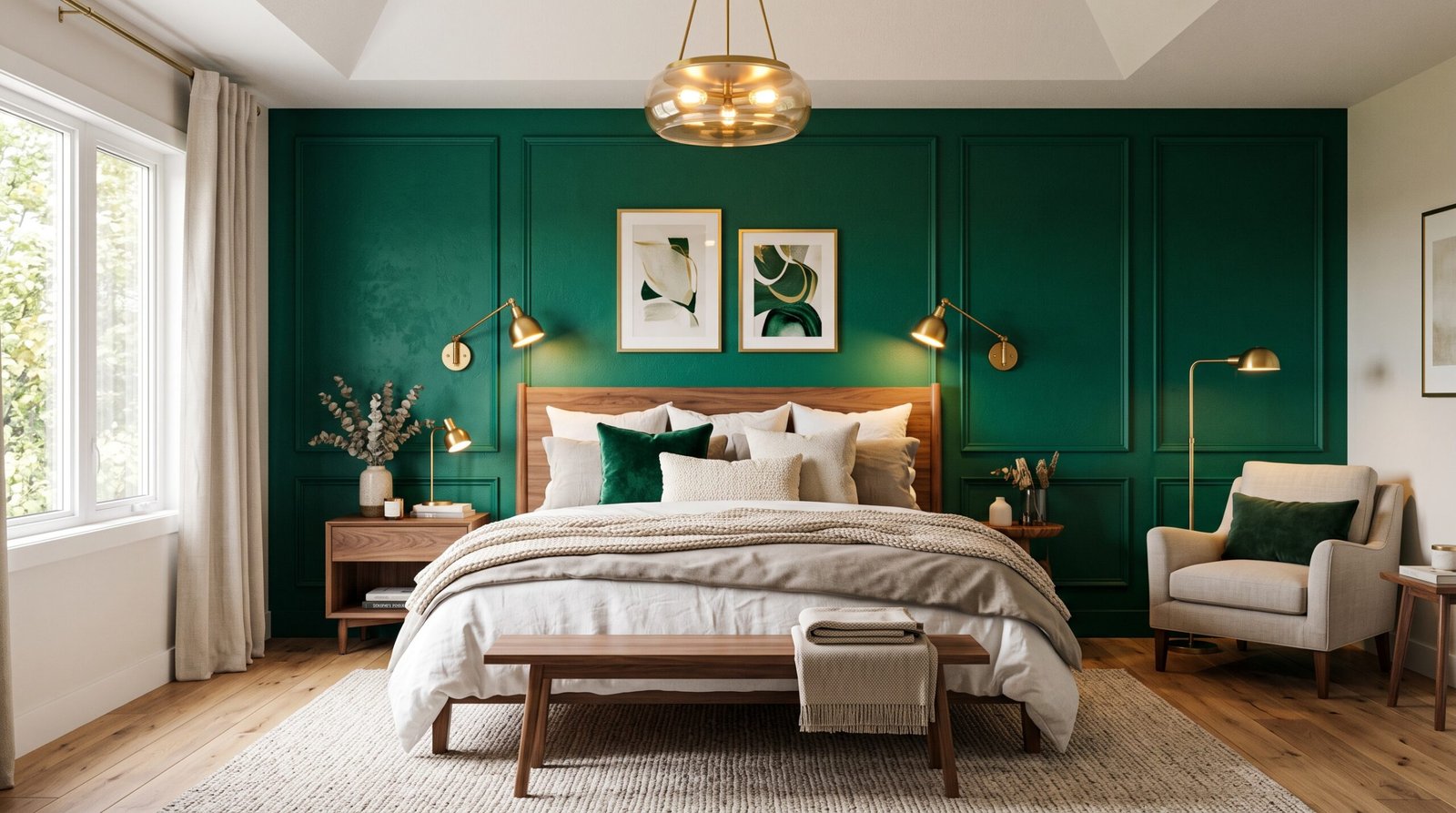
Picking the right accent color is one of the fastest ways to change how a bedroom feels the moment you walk in. A single wall, a headboard nook, or even a ceiling can carry a shade that sets the tone for the whole room — calming, energizing, romantic, or bold. The trick isn’t just choosing a color you like; it’s understanding how that color plays with your lighting, your furniture, and the mood you actually want when you wake up or wind down. Below are 30 accent color directions, along with the details that make each one work in real bedrooms, not just on a paint swatch.
1. Navy Blue Bedroom
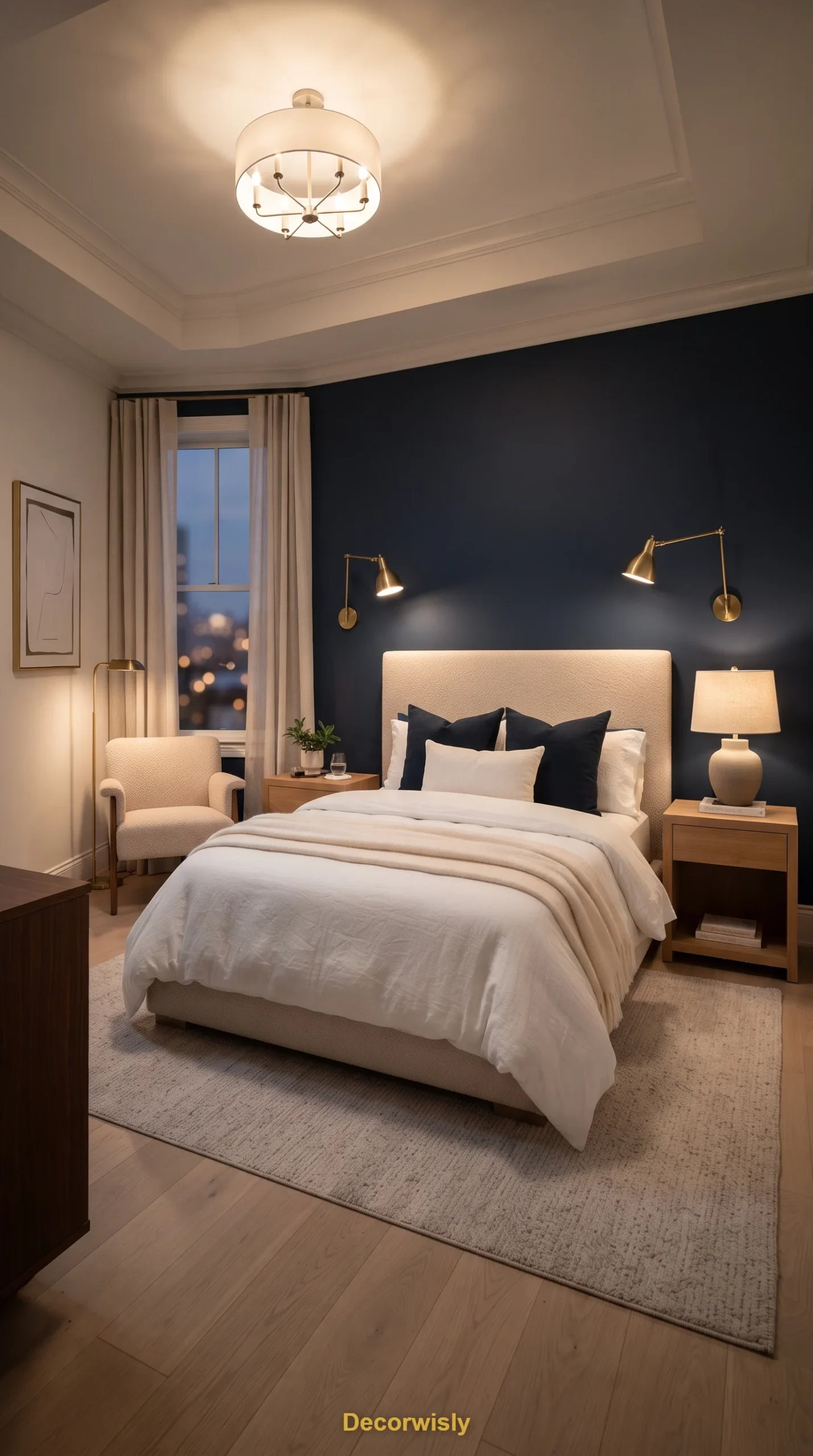
Navy has a way of making a room feel grounded and a little cinematic, like the walls are holding onto the last hour of dusk. It reads best behind the bed, where it frames the headboard instead of swallowing the whole room. Keep the rest of the palette light — think crisp white sheets, brushed brass sconces, and a bed frame in warm oak — so the depth of the navy doesn’t tip into gloom. A wool throw or leather bench at the foot of the bed adds texture without competing with the color. Navy is a safe bet for anyone who wants “bold” without ever looking trendy.
2. Sage Green Bedroom
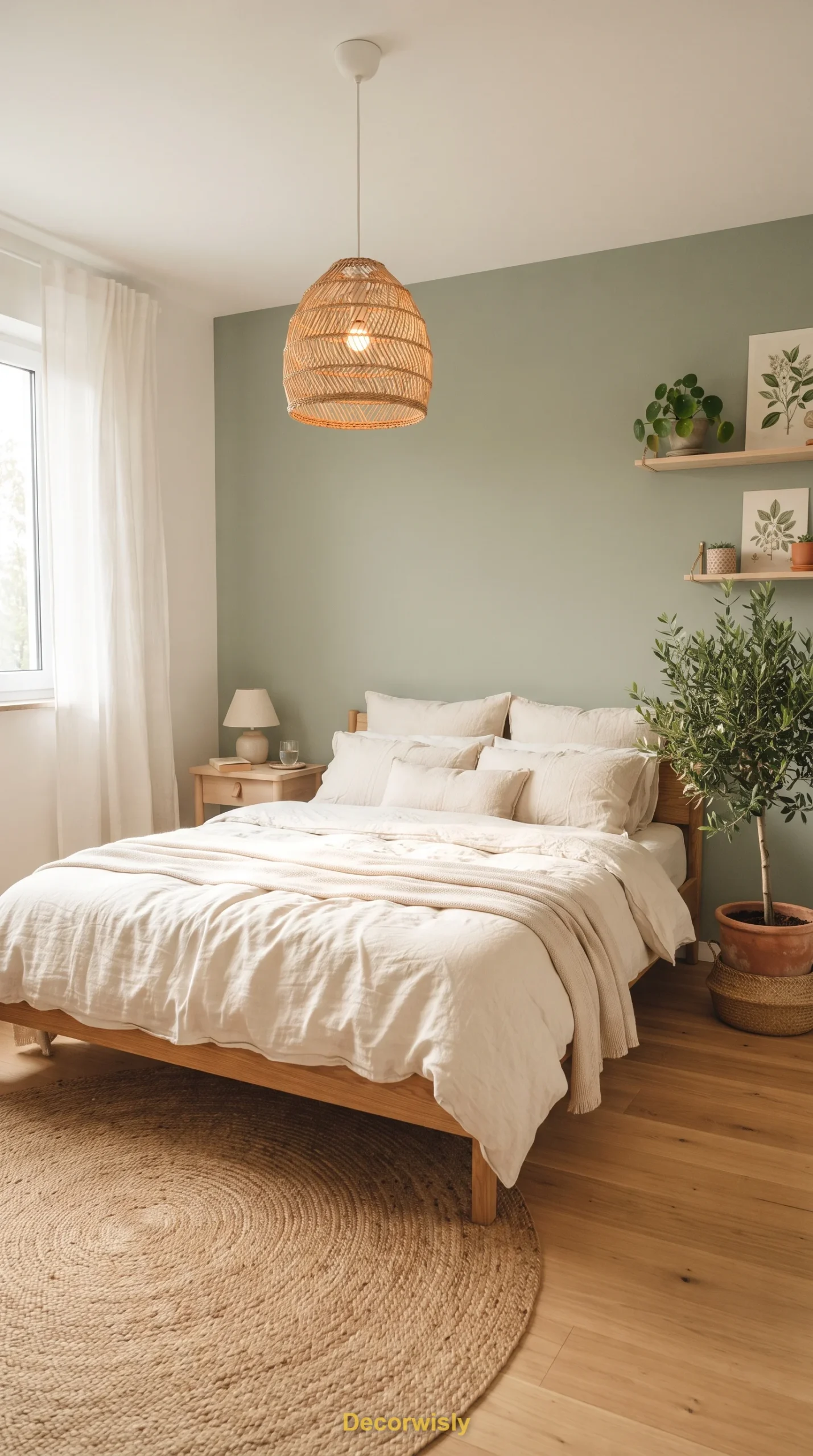
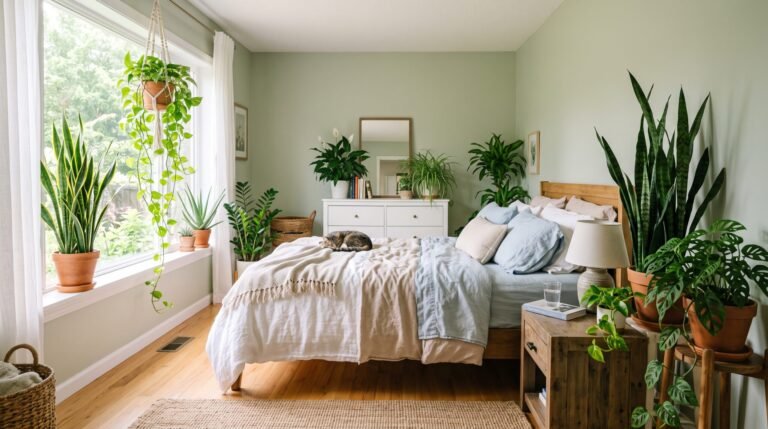
Sage sits in that rare zone of being a color and a neutral at the same time, which is why designers keep reaching for it. It softens a room instantly and pairs naturally with anything organic — linen curtains, rattan lampshades, a cluster of houseplants by the window. Because it’s muted rather than saturated, sage holds up in rooms with limited daylight and rooms flooded with sun. Add a jute rug and unbleached cotton bedding and the whole space starts to feel like an intentional, garden-adjacent retreat rather than a decorated room.
3. Terracotta Bedroom
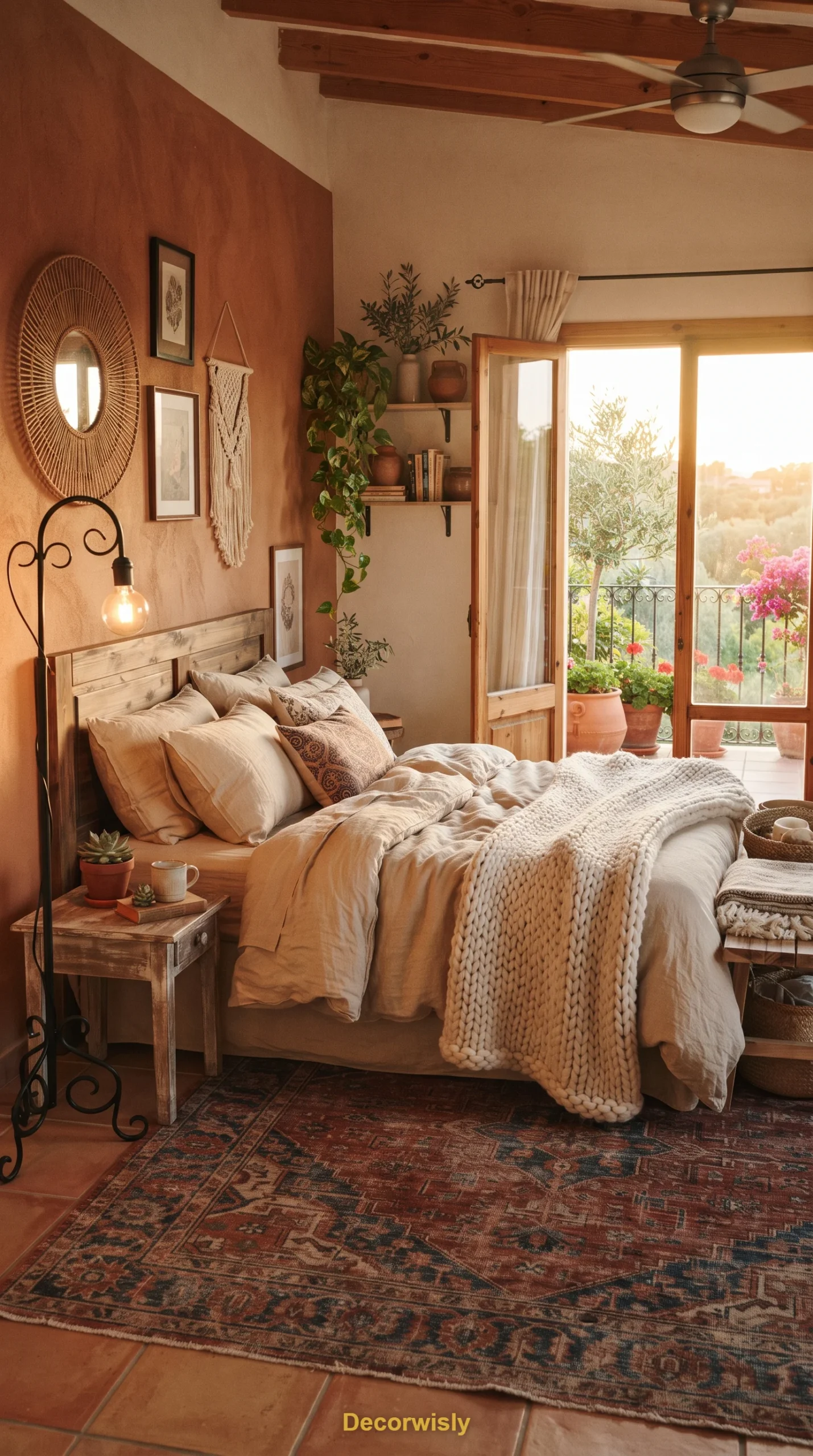
Terracotta brings a sun-baked, Mediterranean warmth that makes even a north-facing room feel touched by late afternoon light. It’s most effective as a contrast against sandy neutrals — beige walls, raw linen, unfinished wood — so the clay tone has room to stand out. Textured pieces work especially well here: a chunky knit blanket, a velvet lumbar pillow, a black iron reading lamp. Layer in a vintage-style patterned rug and the room starts to feel collected over time rather than shopped in a single afternoon.
4. Charcoal Gray Bedroom
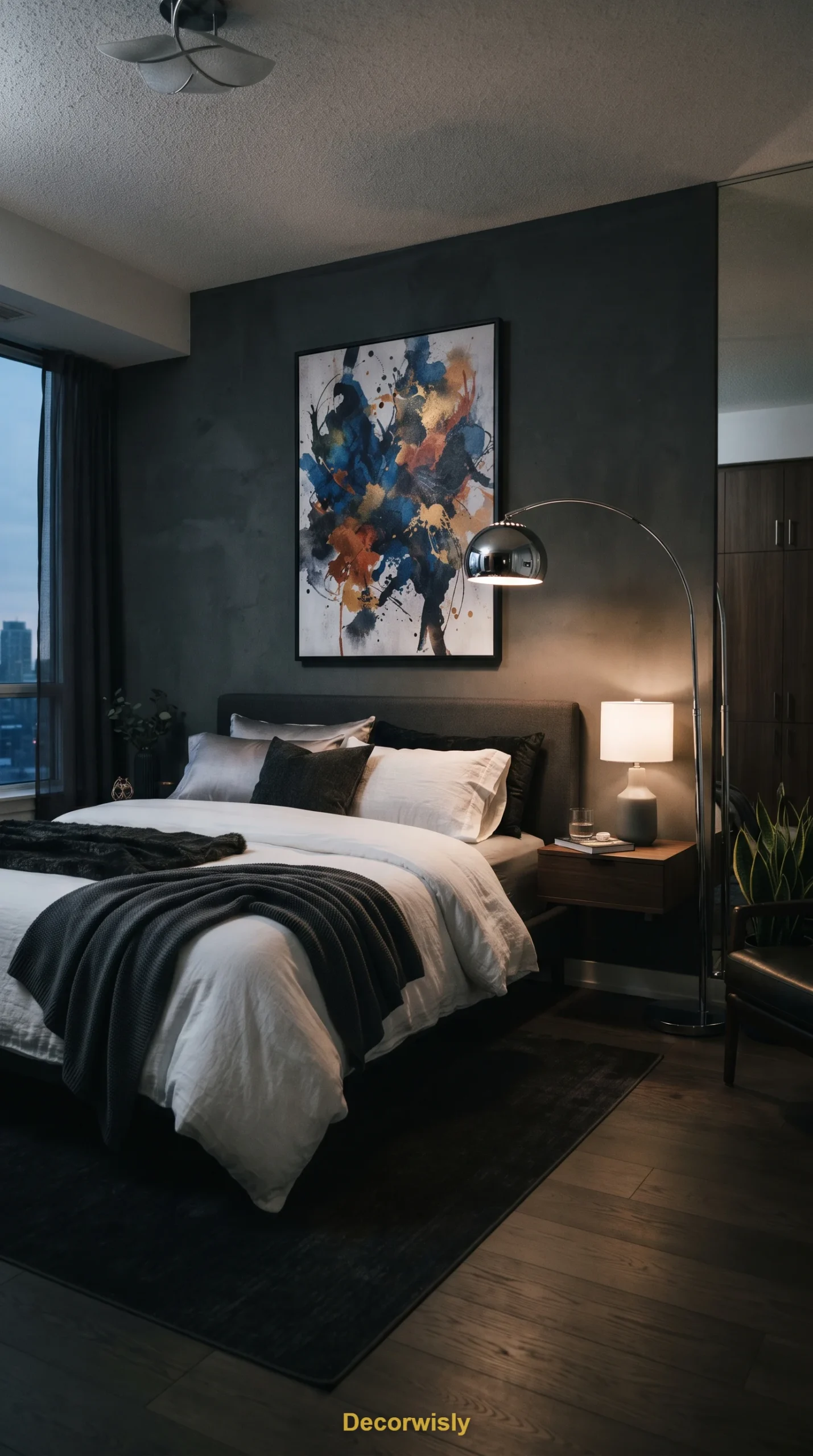
Charcoal gives a bedroom an edge without going full black — it’s moody, but it doesn’t swallow light the way a true black wall can. It photographs beautifully with layered gray and off-white bedding, and metallics (chrome, nickel, polished steel) genuinely pop against it in a way they don’t against lighter walls. If the room starts to feel heavy, a single oversized abstract art piece in a brighter tone will reset the balance instantly. Charcoal reads modern and masculine, but it’s flexible enough for almost any bedroom style.
5. Dusty Rose Bedroom
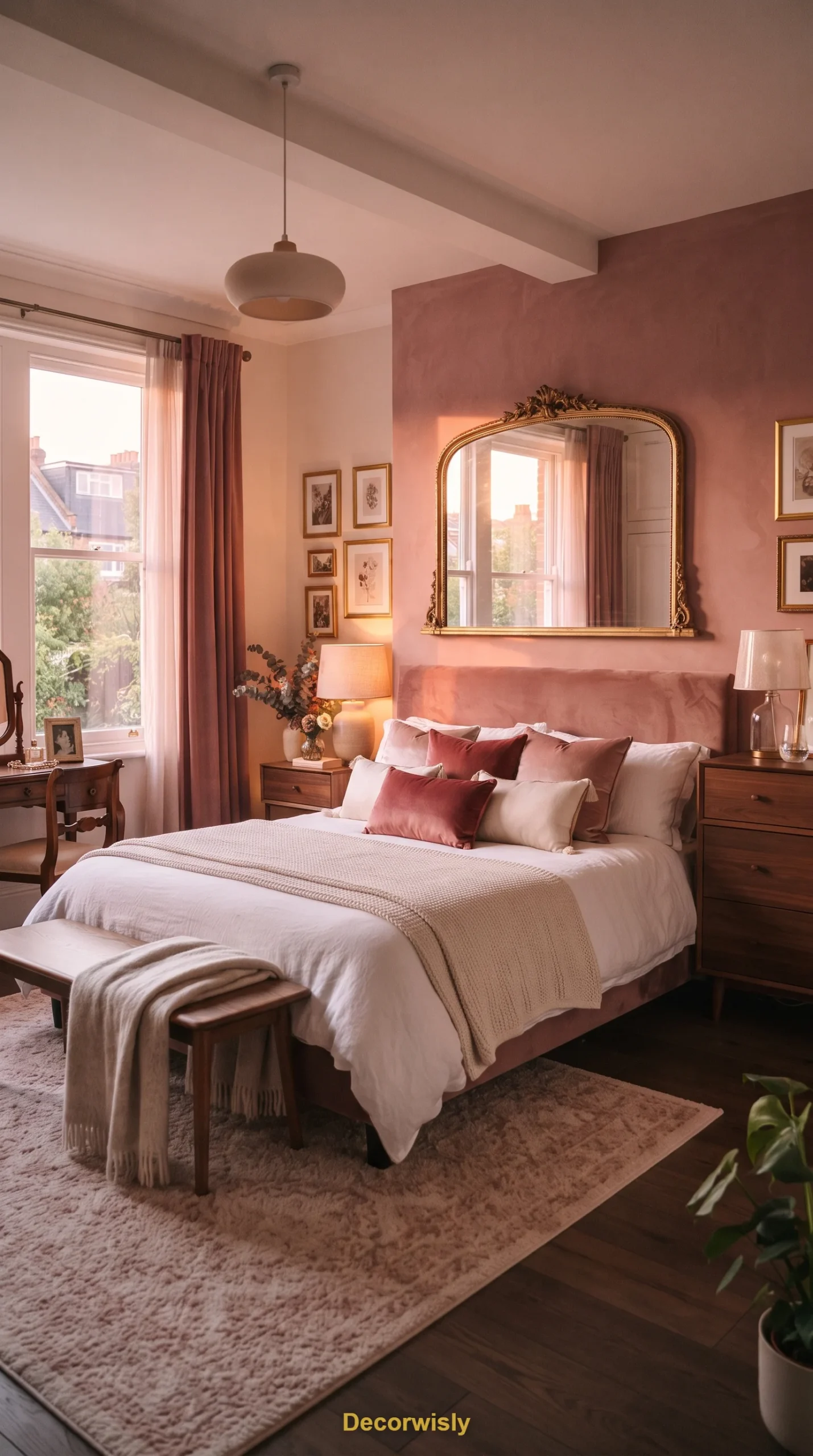
Dusty rose has quietly become one of the most sophisticated pinks in interior design, largely because it reads more “clay” than “candy.” Pairing it with gray, gold, or warm wood keeps it from feeling juvenile, while satin or silk textiles push the whole look toward luxury. It’s a particularly striking color at golden hour, when the low sun catches the wall and turns the whole room a soft, glowing pink. For anyone nervous about commitment, this is one of the gentlest ways to bring color into a grown-up bedroom.
6. Emerald Green Bedroom
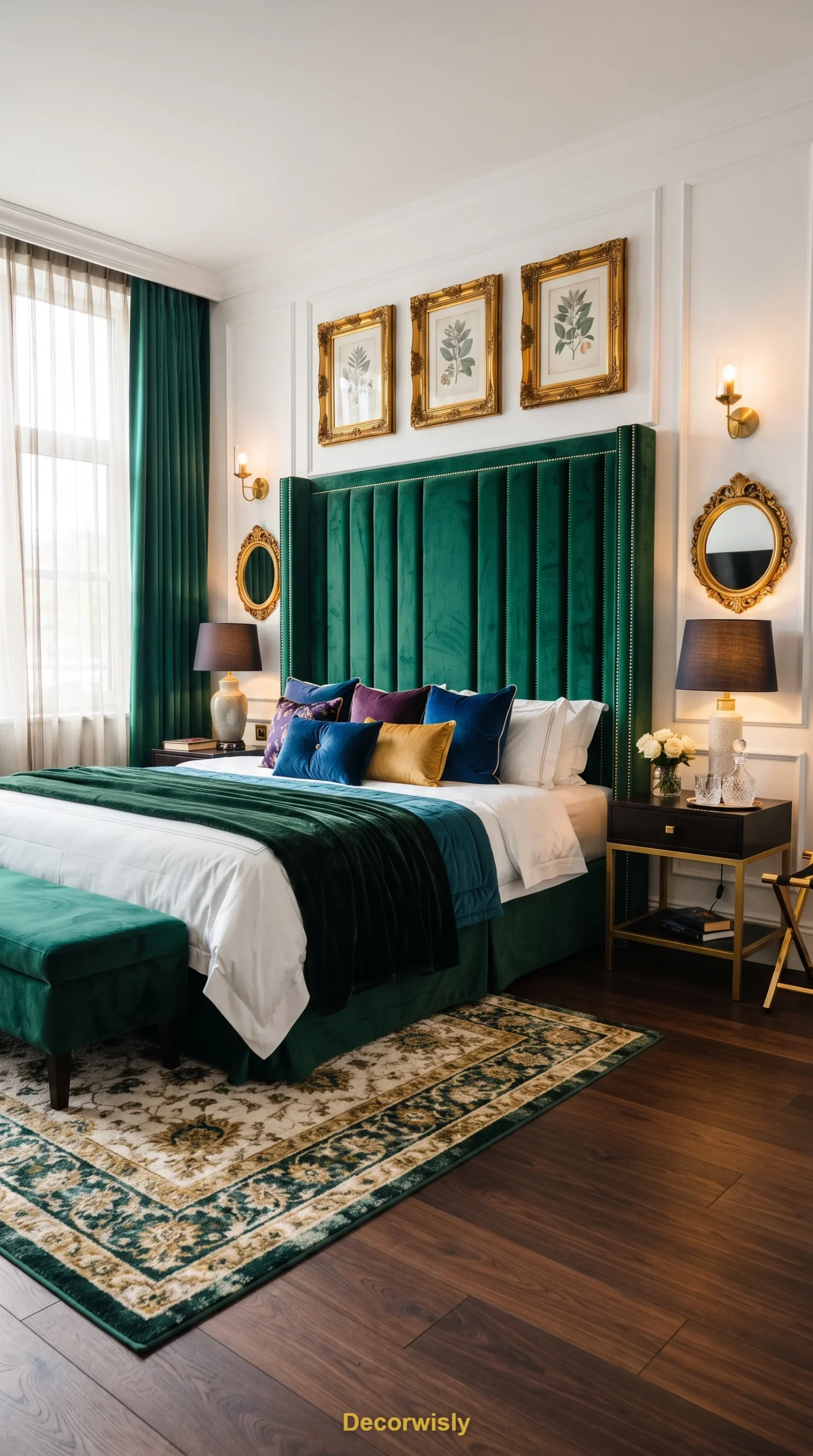
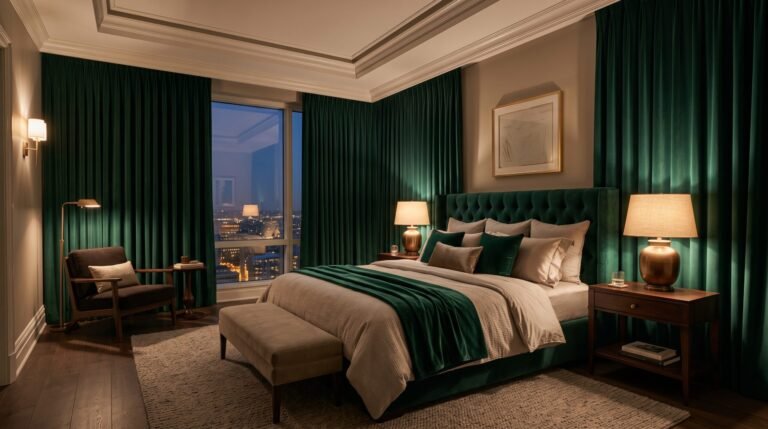
Emerald is one of the few colors that can make standard furniture look expensive just by sitting next to it. It leans into dark wood flooring and gold-leaf frames especially well, and a velvet headboard in this shade instantly becomes the room’s focal point. Keeping the surrounding walls white or off-white stops the space from feeling closed in, letting the emerald read as luxurious rather than heavy. It’s a bold choice, but one that consistently reads as intentional rather than trendy.
7. Mustard Yellow Bedroom
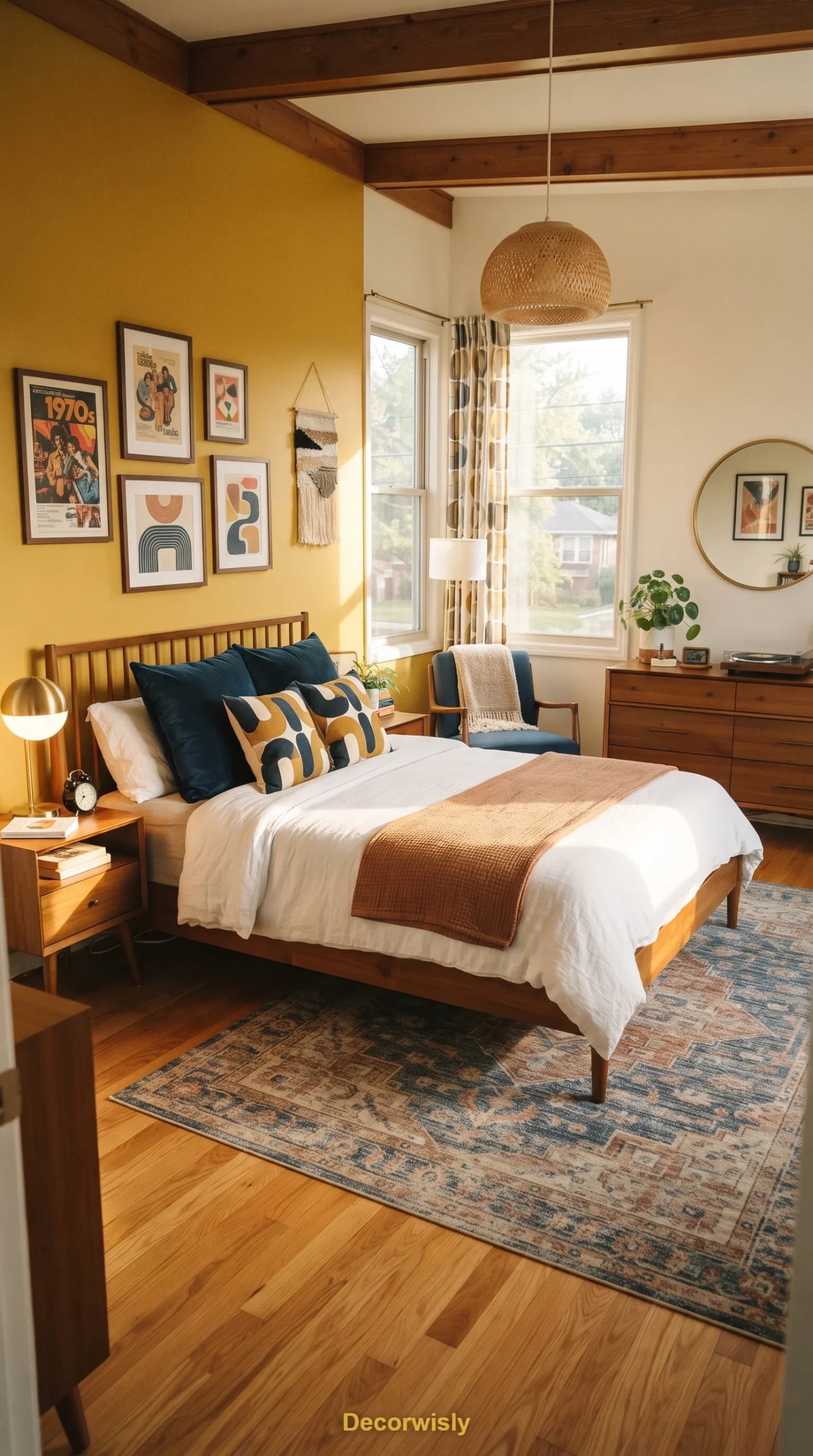
Mustard has enough vintage character to feel current again, and a little of it goes a long way in a small room that needs energy. Balancing it with charcoal or navy textiles keeps the yellow from tipping into overwhelming, and mid-century furniture in particular looks sharper against it — the clean lines and warm wood tones do a lot of visual work. For anyone hesitant about a full wall, mustard pillows or a single accent chair can introduce the color without the full commitment.
8. Teal Bedroom
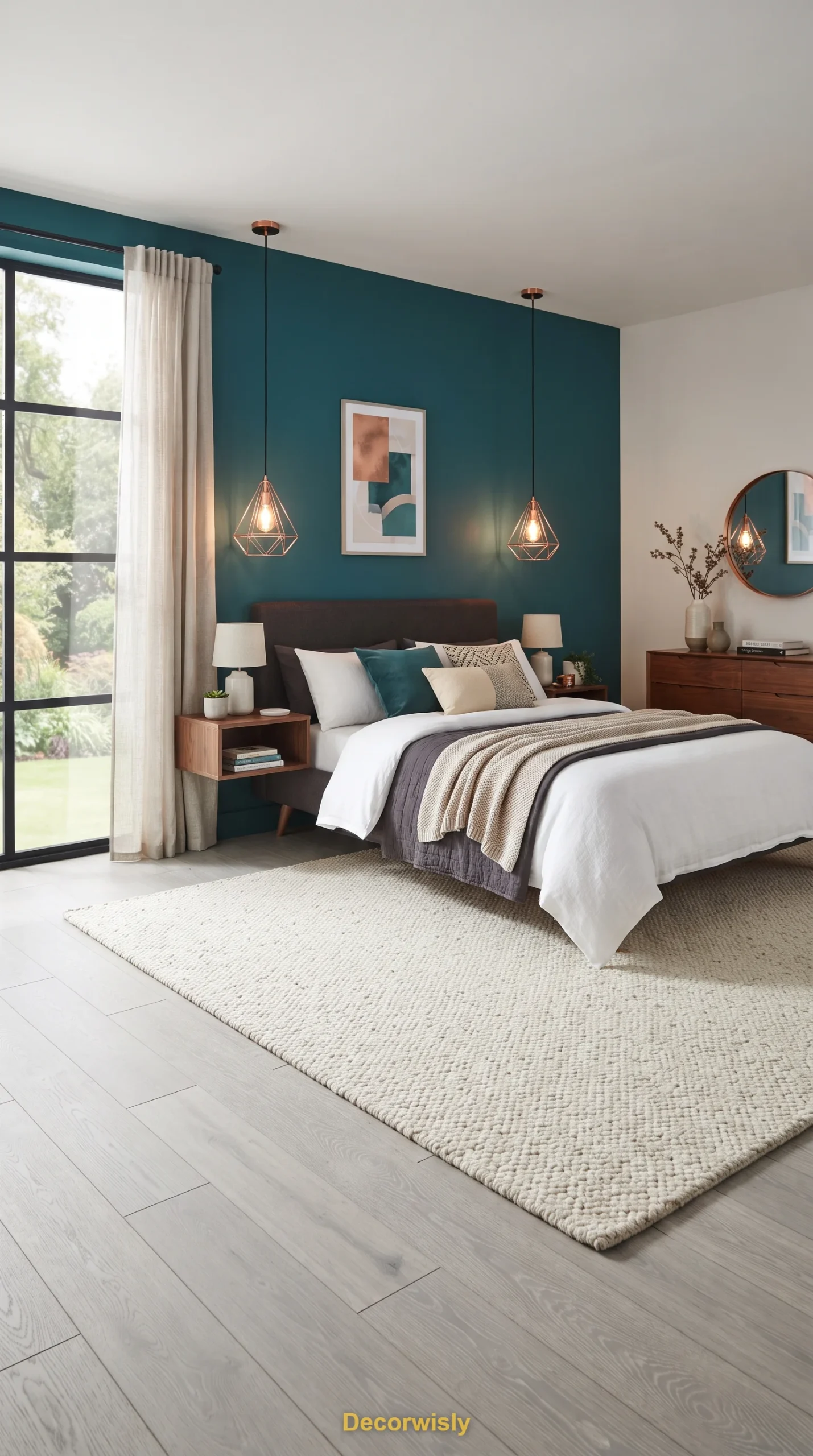
Teal splits the difference between blue’s calm and green’s energy, which is exactly why it feels so alive in a bedroom without tipping into “loud.” Copper or bronze fixtures warm it up nicely, while a pale gray floor or oversized cream rug keeps the room from feeling too saturated. It’s a shade that shifts personality depending on the light — moodier at night, brighter and more playful during the day — which makes it one of the more dynamic accent choices on this list.
9. Soft Lavender Bedroom
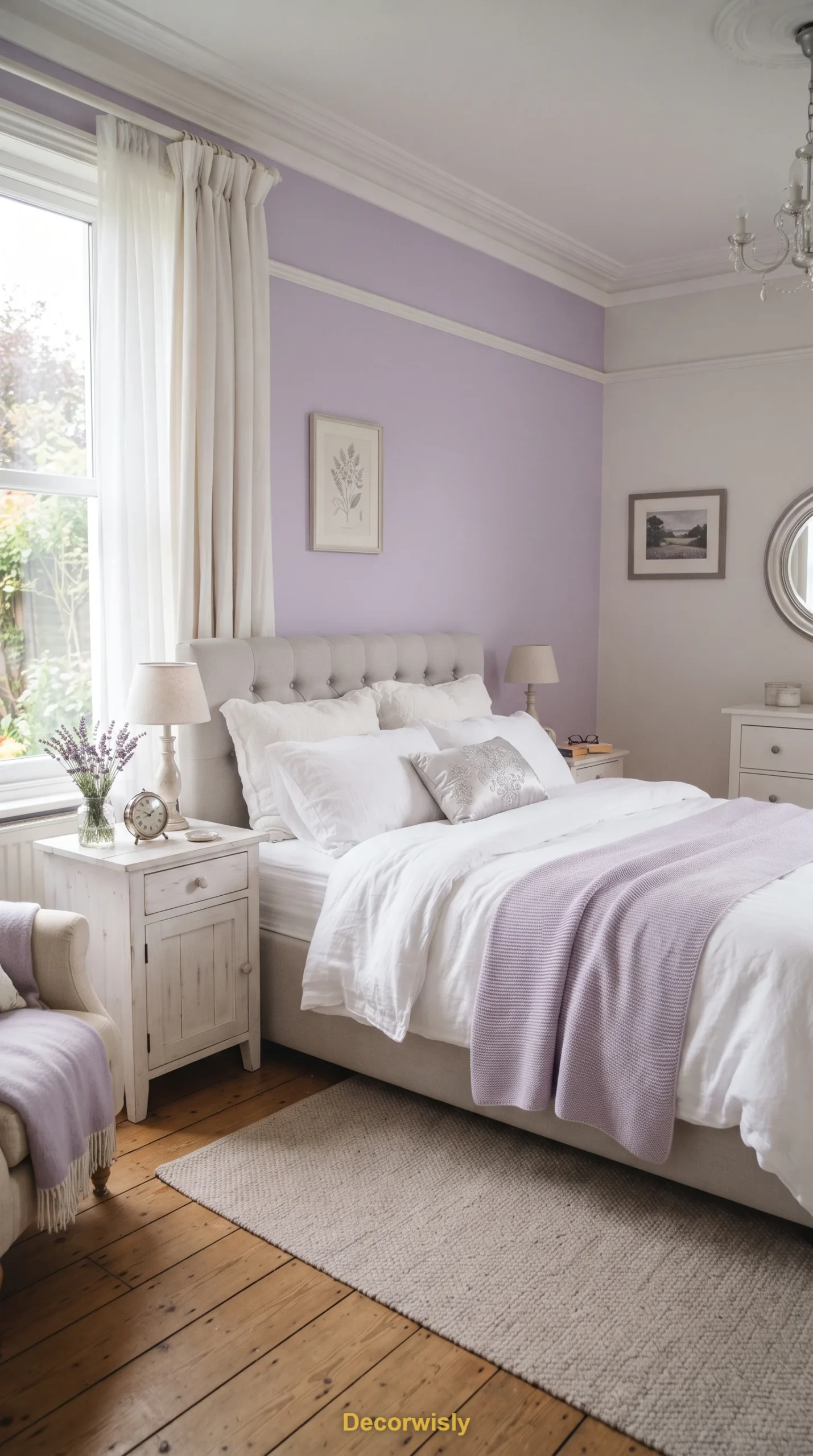
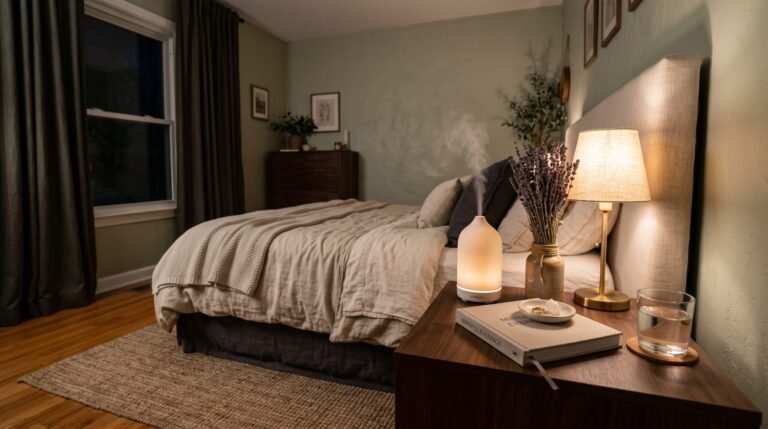
Lavender has a genuine reputation for encouraging rest, and a soft, light version of it makes for an easy, low-risk accent choice. Crisp white linens and silver accents keep the look airy and almost ethereal rather than overtly “purple.” A small vase of real lavender on the nightstand ties the whole theme together in a way that feels intentional rather than themed. It’s an especially good fit for bedrooms with more traditional architectural details like crown molding or paneled doors.
10. Black Accent Bedroom
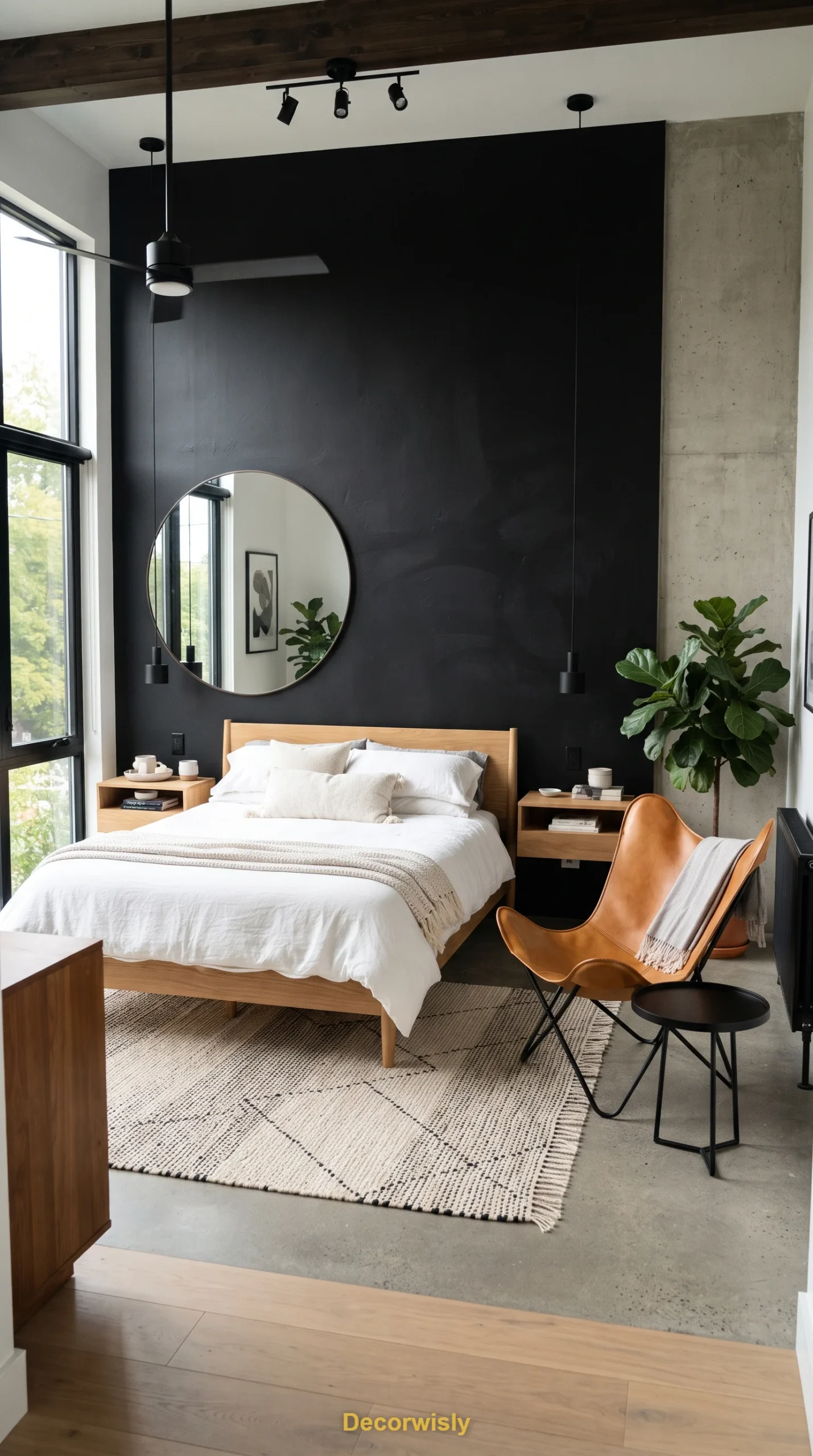
A black wall sounds intimidating until you see it done well — it creates a cocoon-like depth that makes every other color and texture in the room look sharper and more defined. The key is balance: plenty of white, light wood, and varied textures like leather or wool keep the room from feeling cramped. Large mirrors help bounce whatever light is available, which matters more here than with any other color on this list. It’s a striking, architectural choice for someone who wants real contrast.
11. Burnt Orange Bedroom
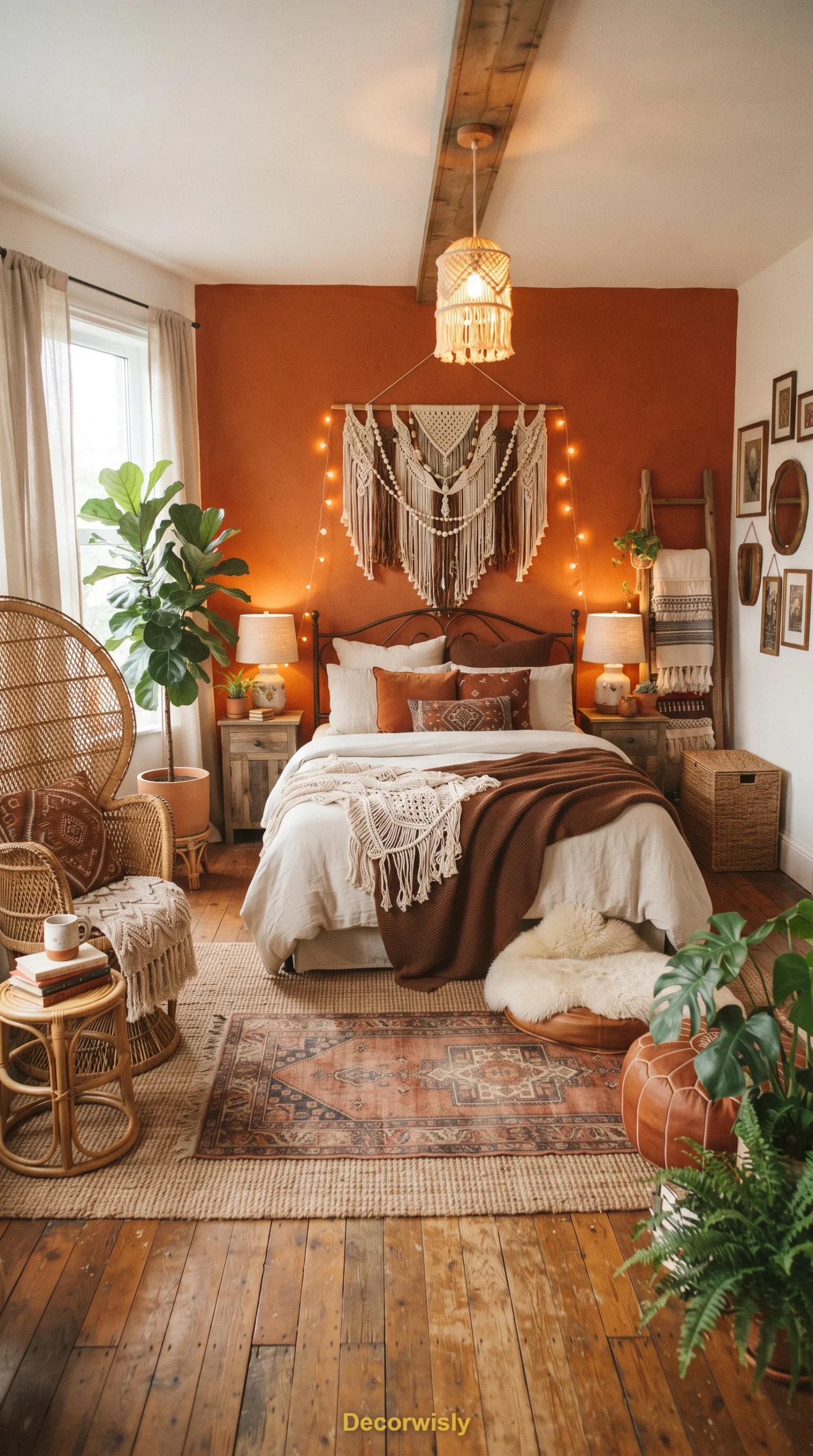
Burnt orange carries an autumn warmth that works year-round, especially in larger bedrooms that can otherwise feel a little cold or impersonal. Pairing it with deep browns and cream tones keeps the palette grounded rather than overwhelming, and wicker or woven pieces lean into its earthy, bohemian side. It’s an especially useful color for rooms that don’t get much natural light, since it adds a sense of warmth artificially. The overall effect is rustic, textured, and full of character.
12. Olive Green Bedroom
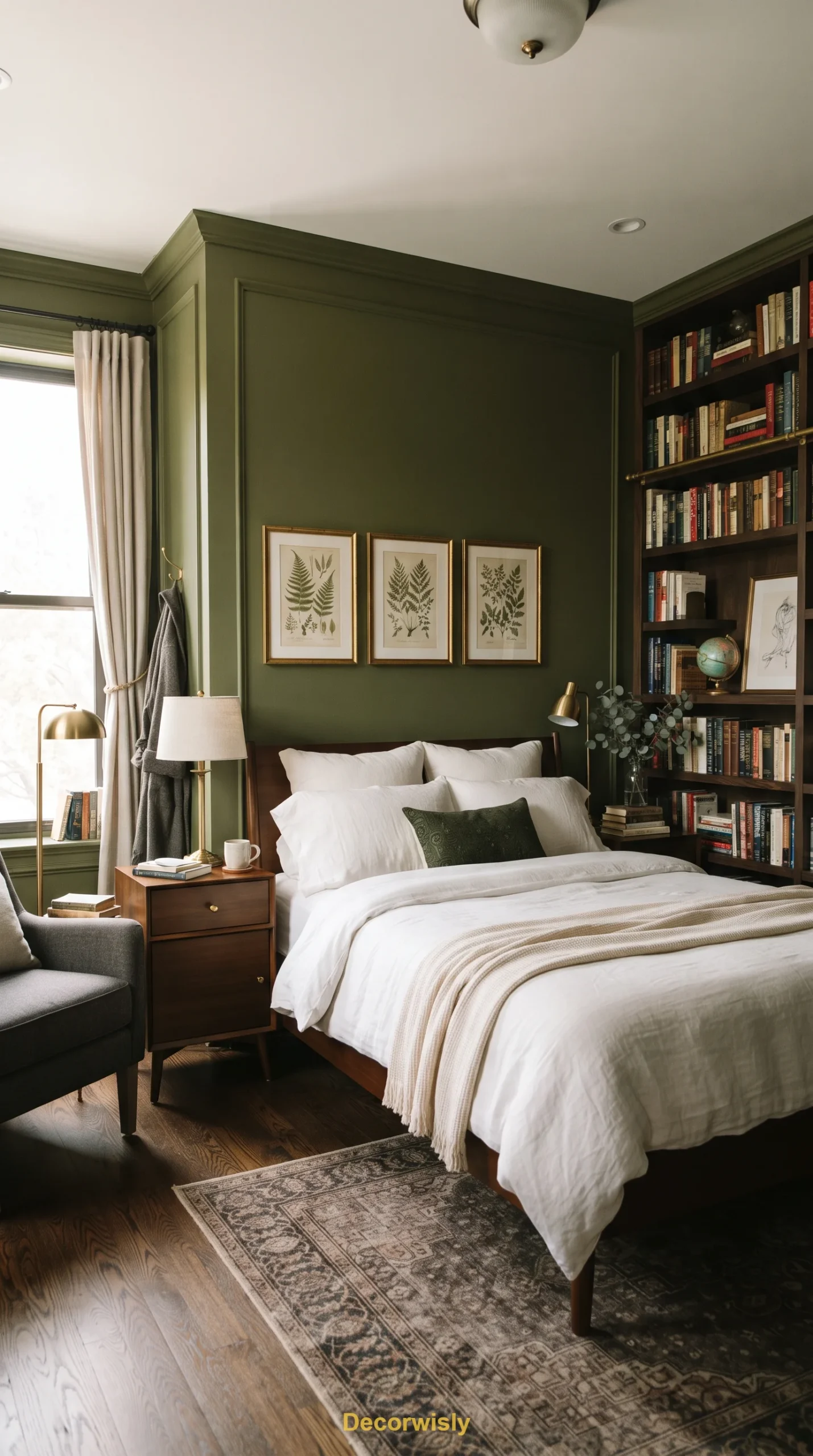
Olive has become one of the most quietly popular “new neutrals” in interior design because it pairs with nearly every wood tone and metal finish without any real effort. Brass hardware and white cotton bedding keep it looking classic, almost like a study or library reimagined as a bedroom. Botanical prints or a simple landscape painting round out the natural theme. It’s a mature, understated color that never feels like it’s trying too hard.
13. Sky Blue Bedroom
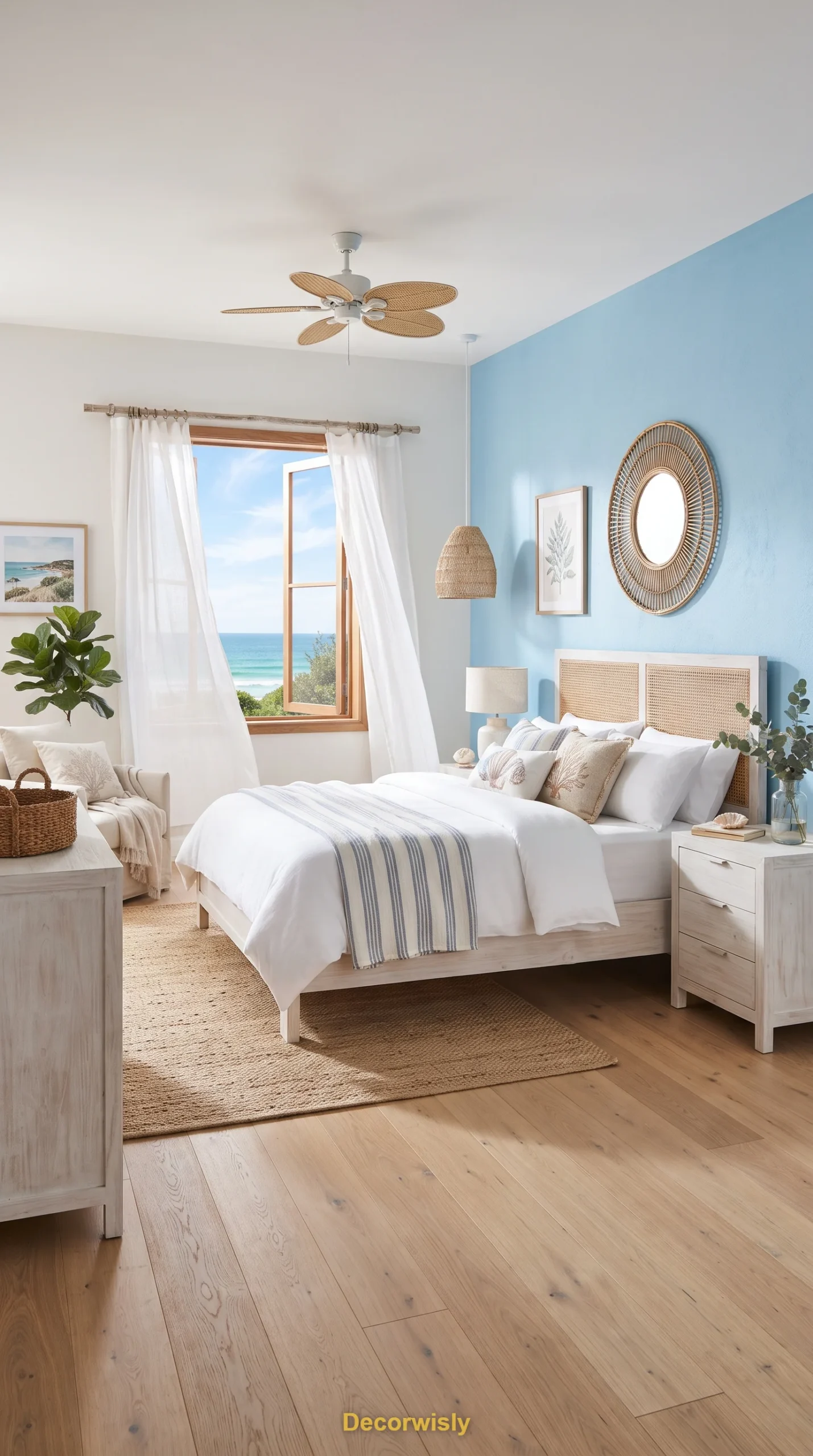
Sky blue is one of the most reliable ways to make a small or awkwardly shaped bedroom feel bigger and airier. Light furniture — whitewashed wood, pale oak — keeps the brightness consistent throughout the room, while soft white curtains add a breezy, coastal feel. It’s an unfussy, universally likable color that works equally well in a guest room or a primary suite where the goal is simple, uncomplicated calm.
14. Deep Plum Bedroom
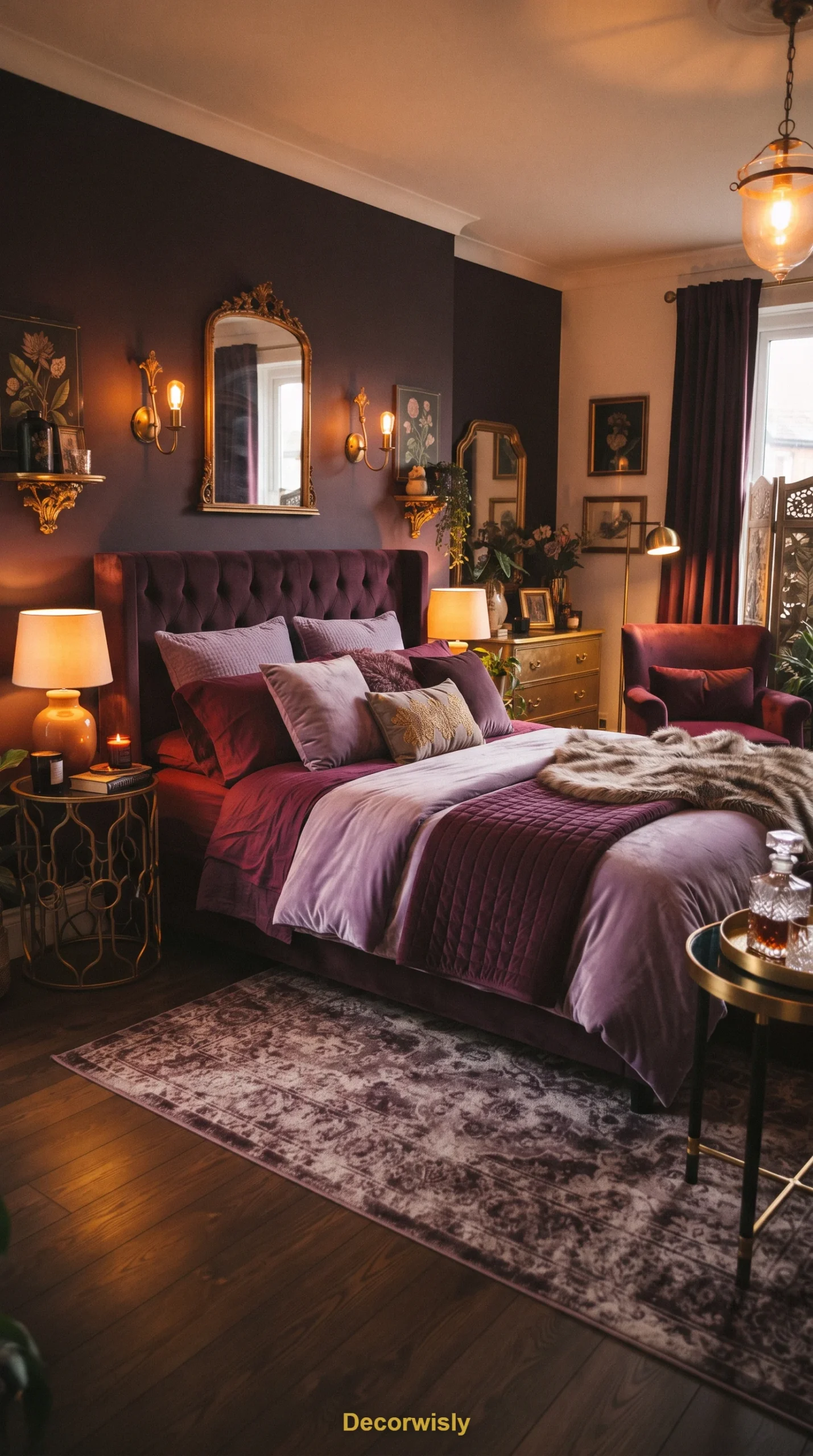
Plum offers all the drama of a dark accent color with a little more warmth and romance than navy or charcoal. It plays beautifully off gold and silver decor, and velvet or faux fur textiles lean straight into its luxurious side. Layering different purple tones, from pale lilac accents to deep berry textiles, adds depth without ever feeling flat. Good lighting matters more here than with most colors, since plum can read as simply “dark” without it.
15. Greige Bedroom
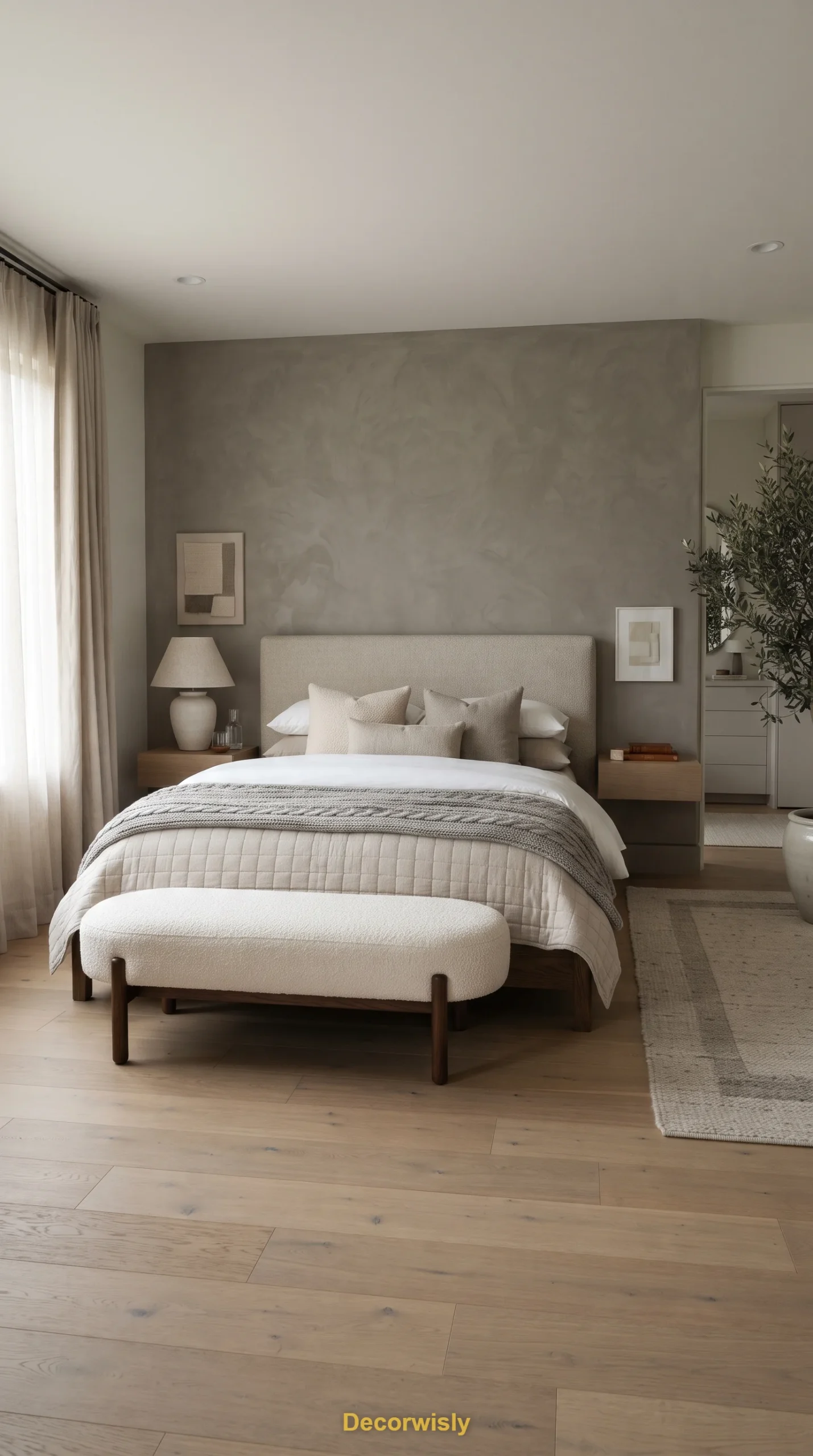
Greige exists precisely for people who can’t fully commit to gray or beige, and it turns out that in-between space is remarkably livable. It’s the easiest color on this list to build a monochromatic room around, since stone, oatmeal, and taupe textures all read as part of the same family. That flexibility means you can swap seasonal decor without ever worrying about clashing walls. The result is a clean, “quiet luxury” bedroom that feels calm without feeling boring.
16. Rust Bedroom
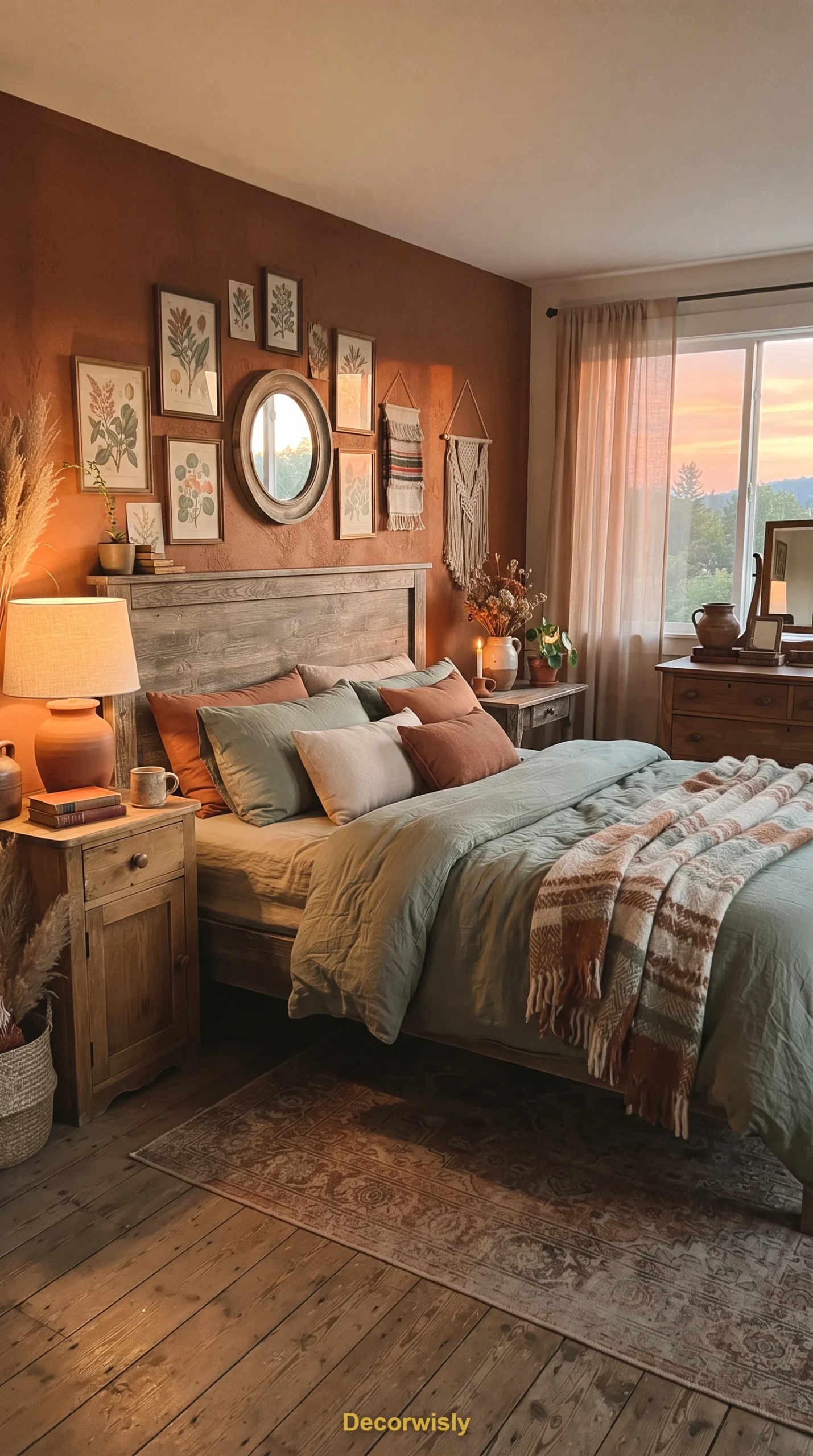
Rust reads more mature and grounded than a straightforward orange, closer to old clay pots and aged minerals than anything trendy. It pairs surprisingly well with sage green or navy, giving the room a curated, layered feel rather than a single-color statement. Linen sheets, distressed wood, and clay pottery all reinforce the earthy mood. In the evening especially, rust takes on a warm, sunset-like glow that few other colors can replicate.
17. Hunter Green Bedroom
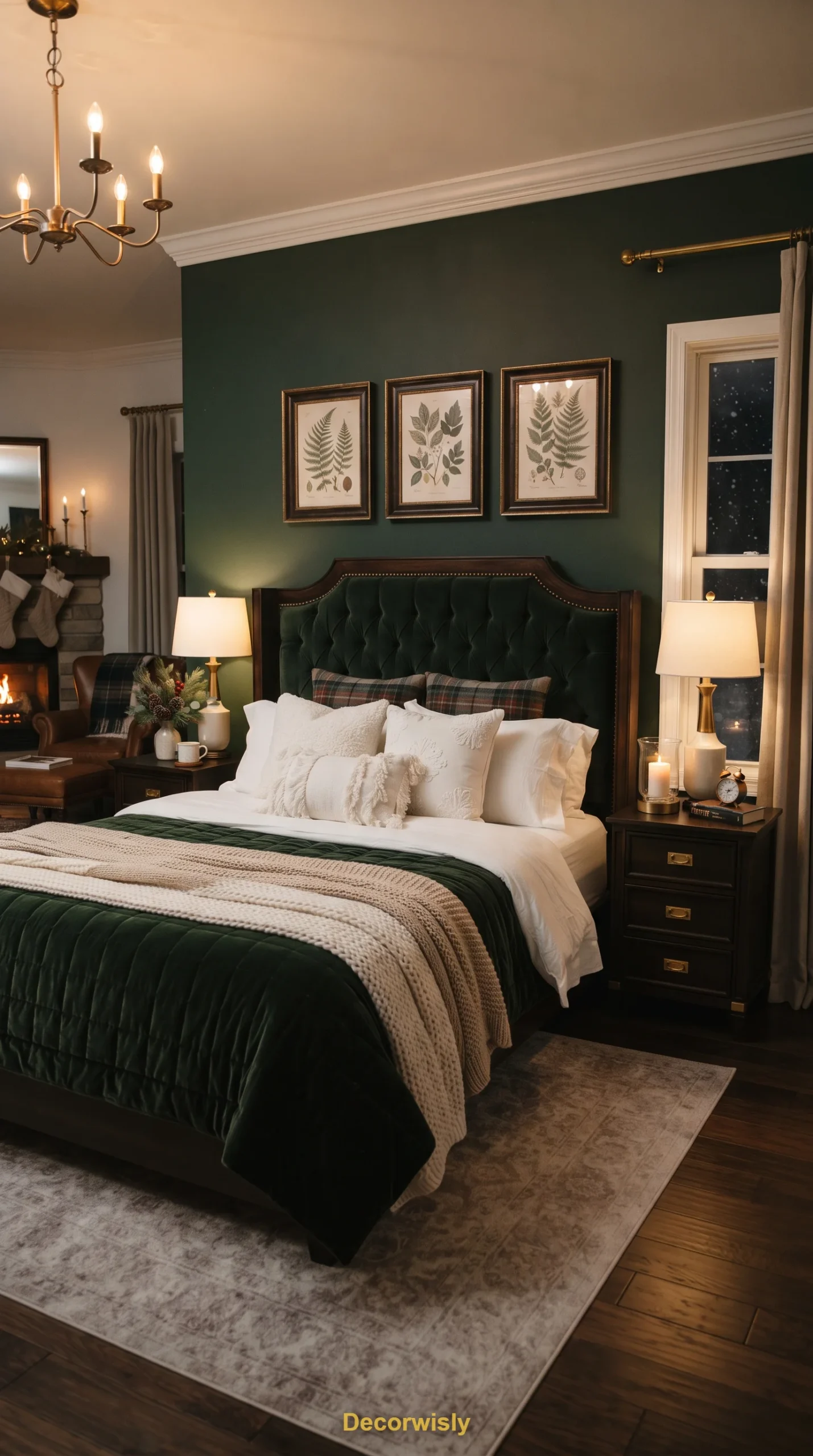
Hunter green has an old-money, deep-forest quality that works especially well behind a dark wood bed or tufted headboard. Balancing it with white pillows and botanical artwork keeps the room from feeling too enclosed, while brass or gold hardware pushes it toward classic luxury. It’s a color that feels tailor-made for colder months, when a snug, cocooned bedroom is exactly what you want. Hunter green rarely goes out of style, which makes it a genuinely long-term choice.
18. Blush Pink Bedroom
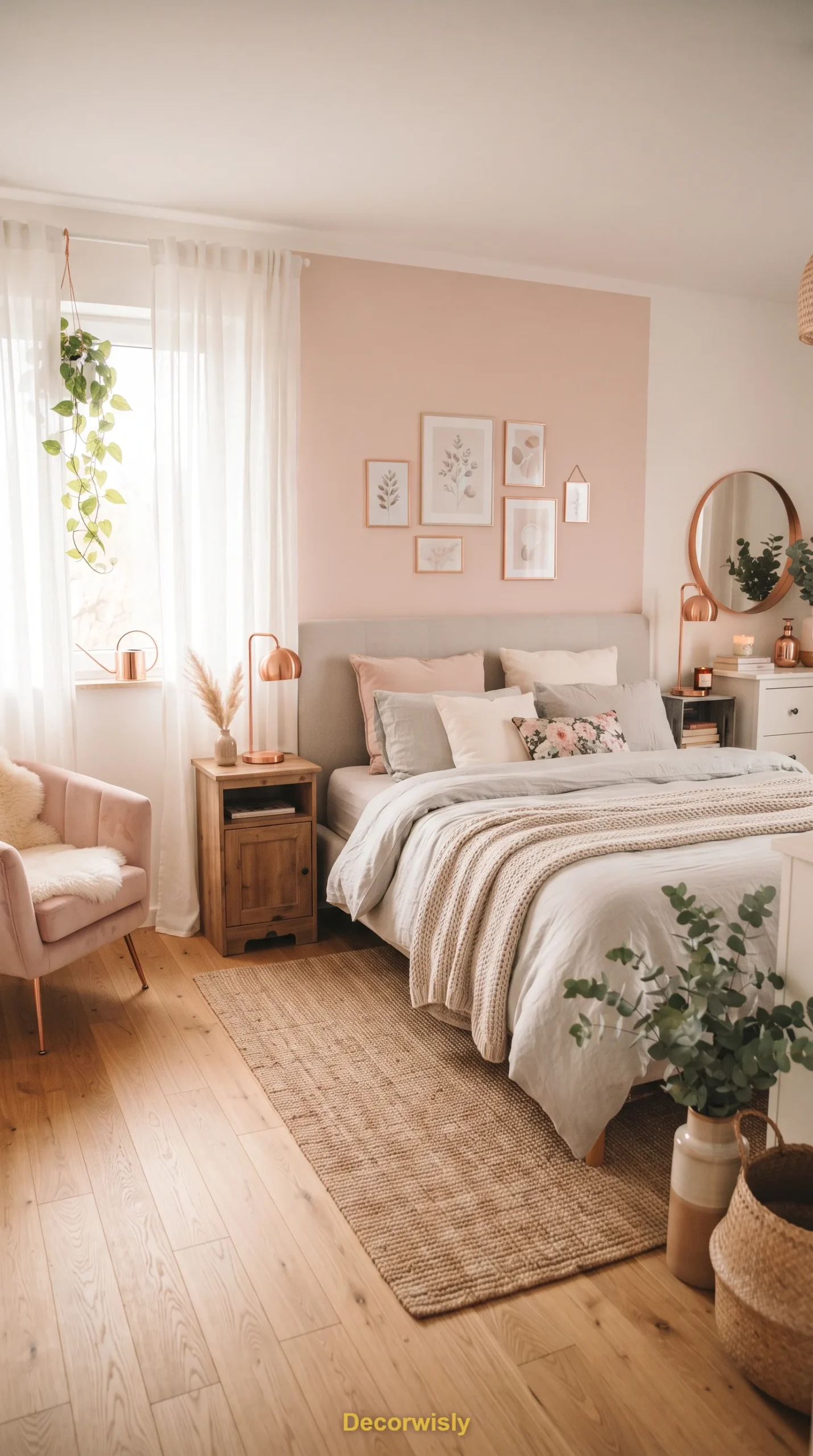
Blush behaves almost like a neutral, which is exactly why it’s so easy to style around existing furniture. Paired with light gray and copper, it reads modern and a little feminine without leaning into anything overly sweet. Sheer curtains let daylight filter through the pink, casting a soft, flattering glow across the whole room throughout the day. It’s a subtle, low-commitment way to add warmth to a bedroom that still wants to feel calm.
19. Royal Blue Bedroom
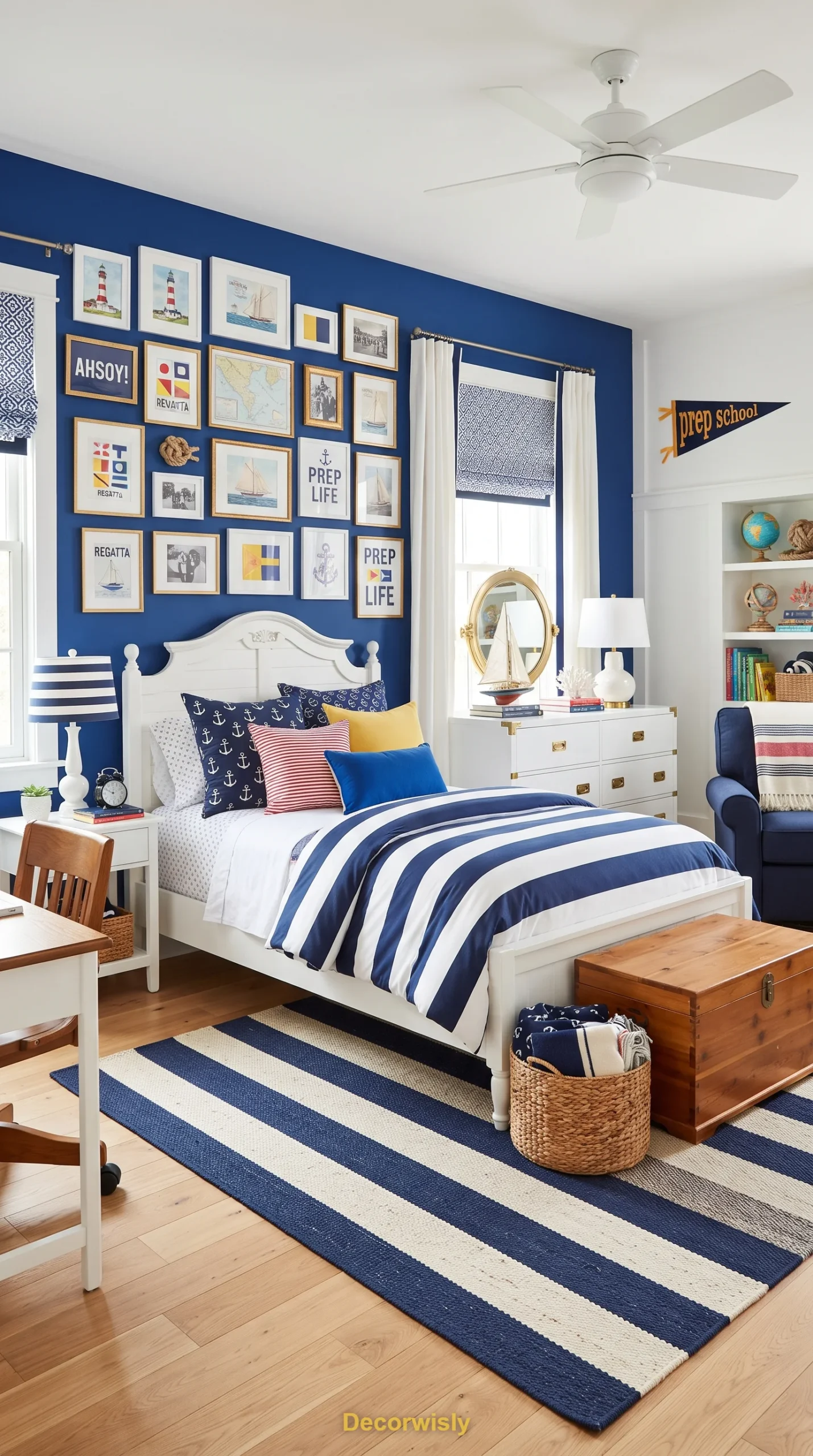
Royal blue brings genuine energy to a bedroom while still reading as sophisticated rather than loud. It holds its own against high-contrast decor — white furniture, bright yellow accents — and makes a great backdrop for displayed art or framed photography, since the saturation makes every frame pop. Striped patterns and polished wood lean the whole look toward nautical or preppy, if that’s the direction you want. It’s a confident color for someone who wants their bedroom to feel inspired rather than purely restful.
20. Peach Bedroom
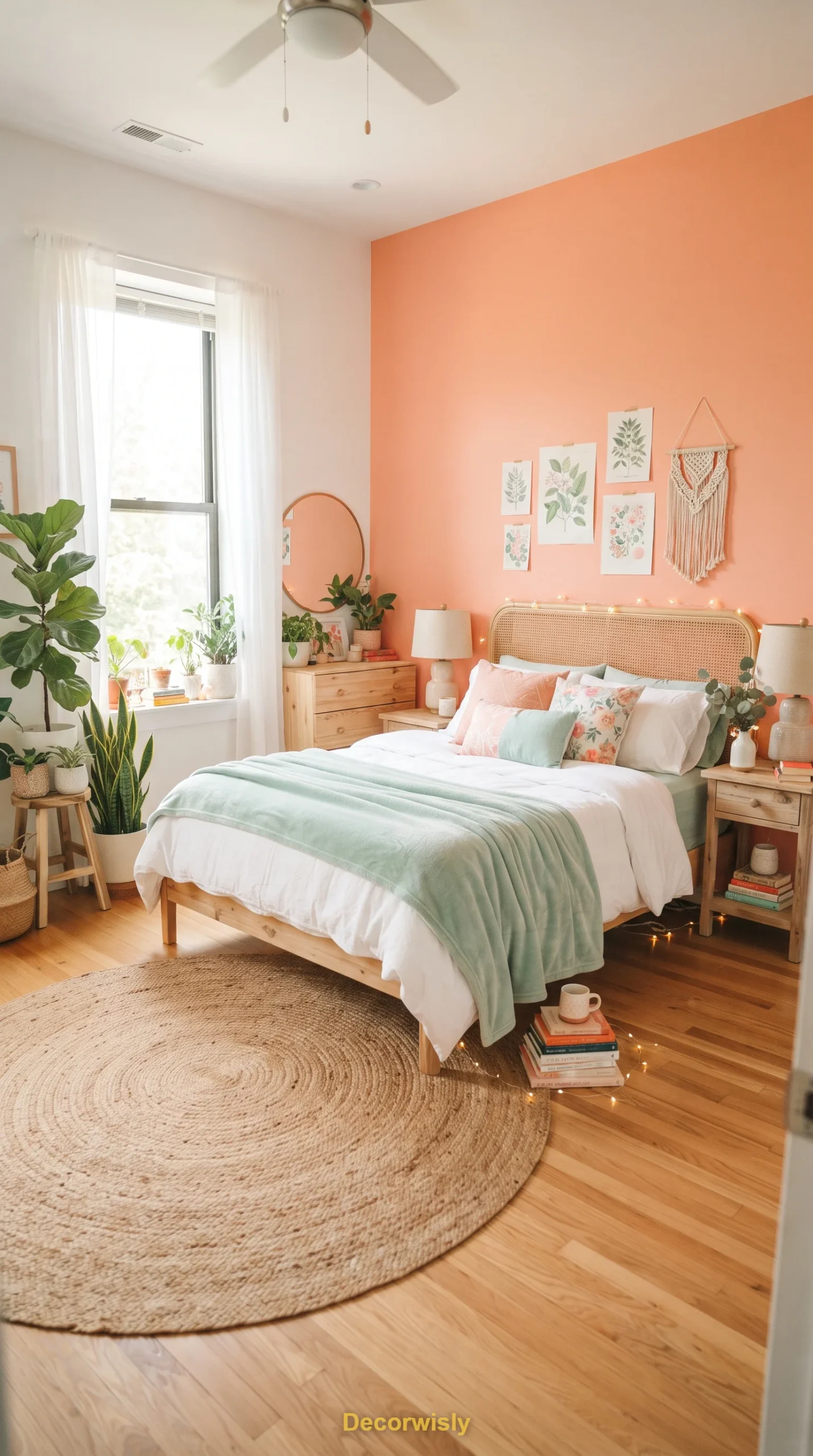
Peach sits comfortably between pink and orange, warm without being intense, and cheerful without being childish. Mint green or soft blue pairs well with it for a fresh, slightly summery palette, while light woods and natural fibers like jute keep the overall look grounded and current. It’s a flattering color in almost any lighting, which makes it a smart pick for bedrooms that double as a getting-ready space.
21. Mint Green Bedroom
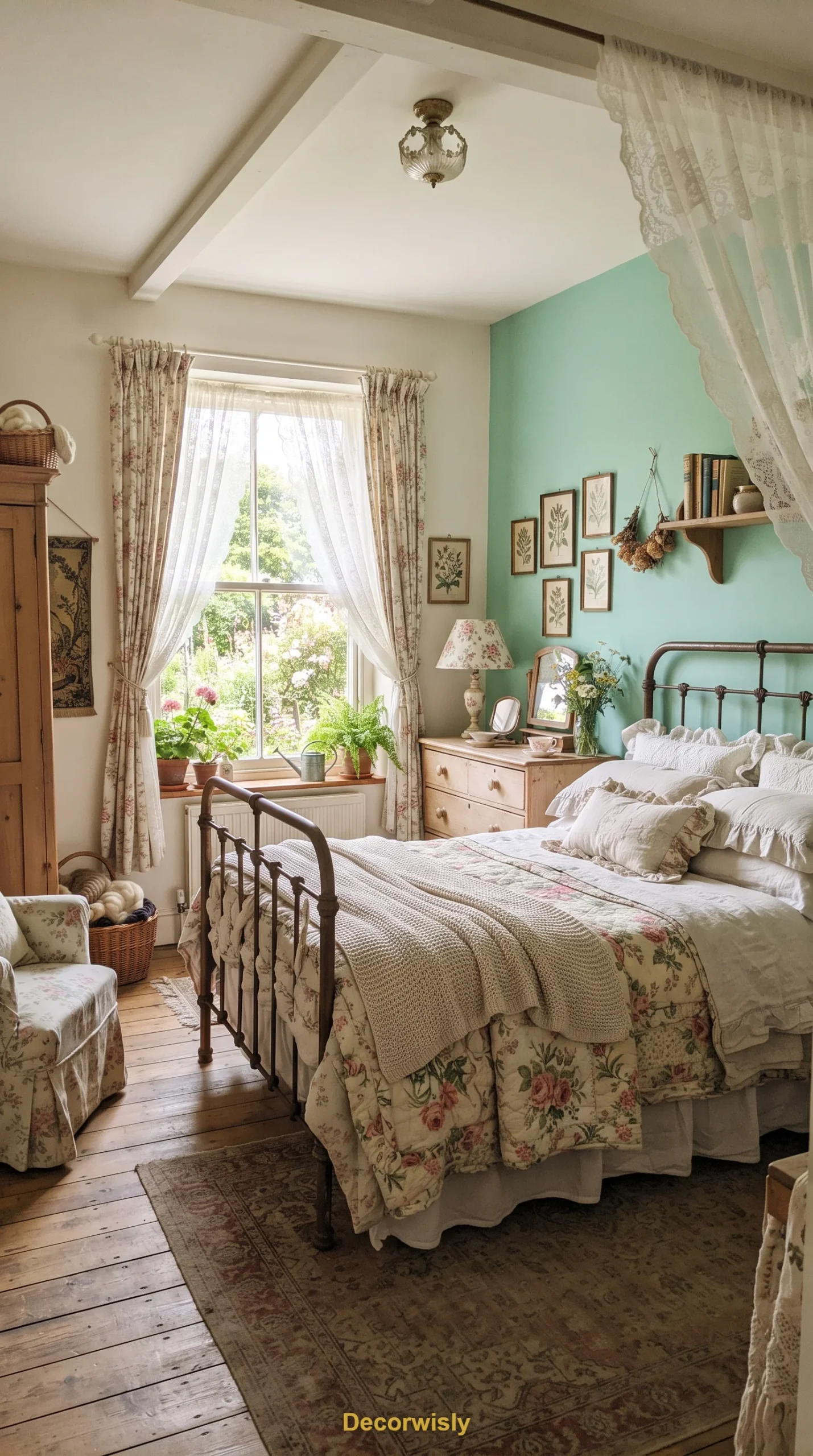
Mint has a cool, rejuvenating quality that fits naturally into a vintage or cottagecore-leaning bedroom. Paired with white lace, floral prints, and antique furniture, it leans nostalgic; paired with sharp black lines and minimalist decor, it feels fresh and current instead. Either direction, mint carries a reputation for being genuinely calming, which makes it a strong pick for light sleepers or anyone managing stress.
22. Chocolate Brown Bedroom
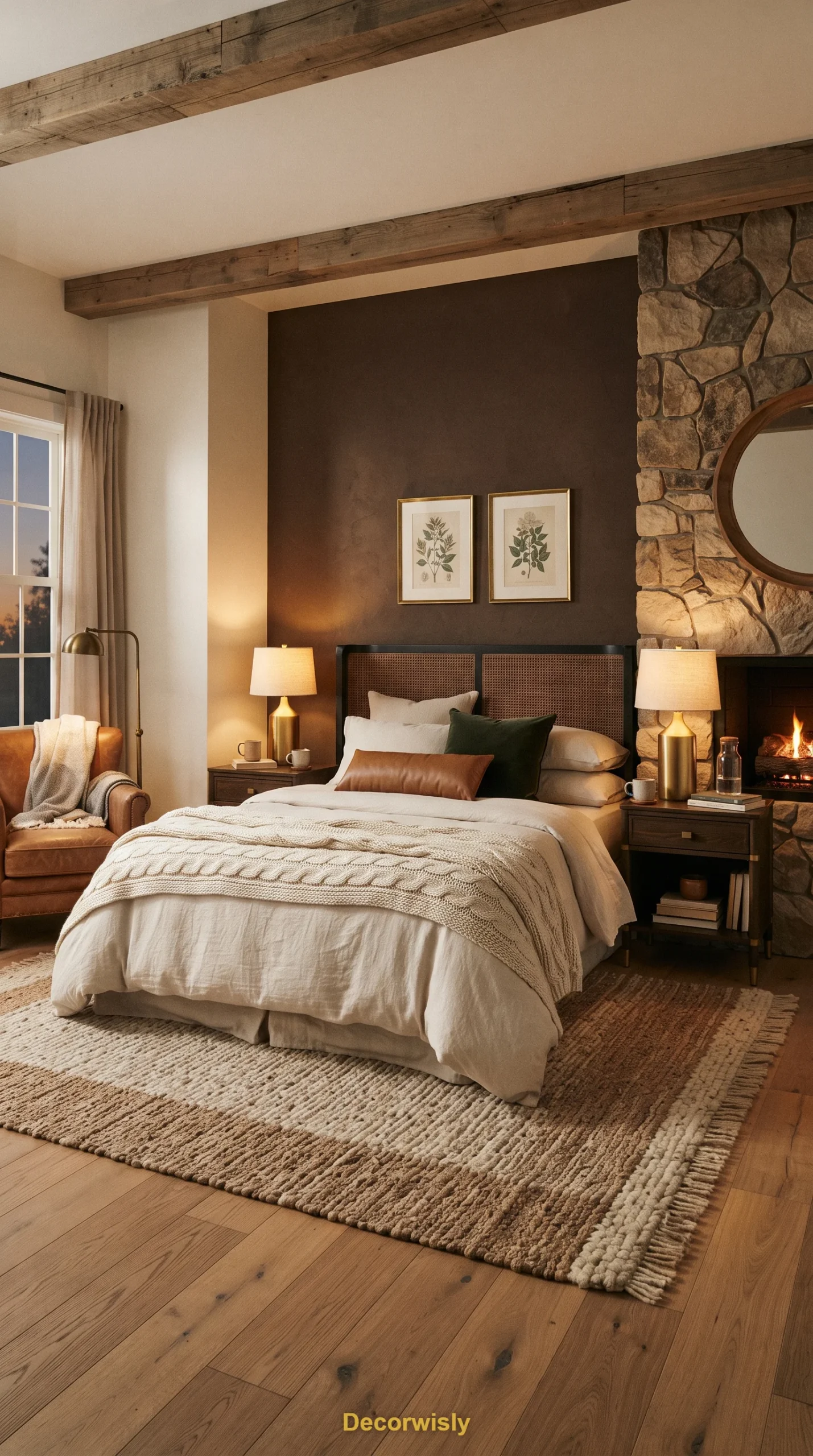
Chocolate brown has made a real comeback as a warmer alternative to gray or black, offering that same moody depth with none of the coldness. Cream bedding and gold lamps keep a brown accent wall from feeling heavy, while mixed textures — leather, wool, velvet — add dimension so the room doesn’t read as flat. It pairs naturally with stone and raw wood, reinforcing a grounded, almost cabin-like intimacy.
23. Burgundy Bedroom
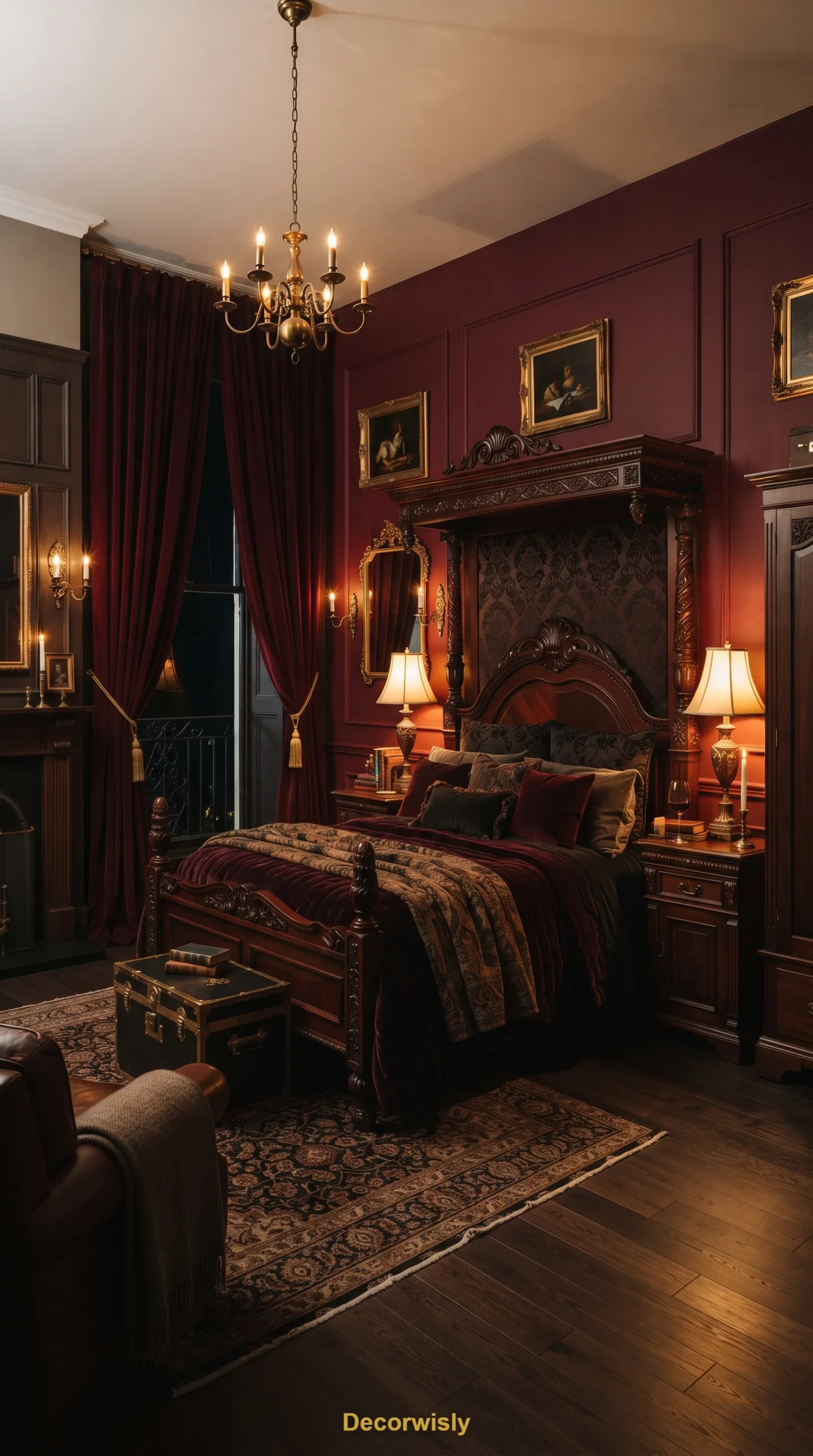
Burgundy carries a dramatic, romantic weight that few other reds can match, thanks to its subtle purple undertones. Dark wood furniture and heavy drapery lean into a traditional, cocoon-like feel, while antique brass details push the whole look toward regal rather than simply dark. It’s a color with real personality, best suited to anyone who wants their bedroom to feel distinctly, unmistakably theirs.
24. Pale Yellow Bedroom
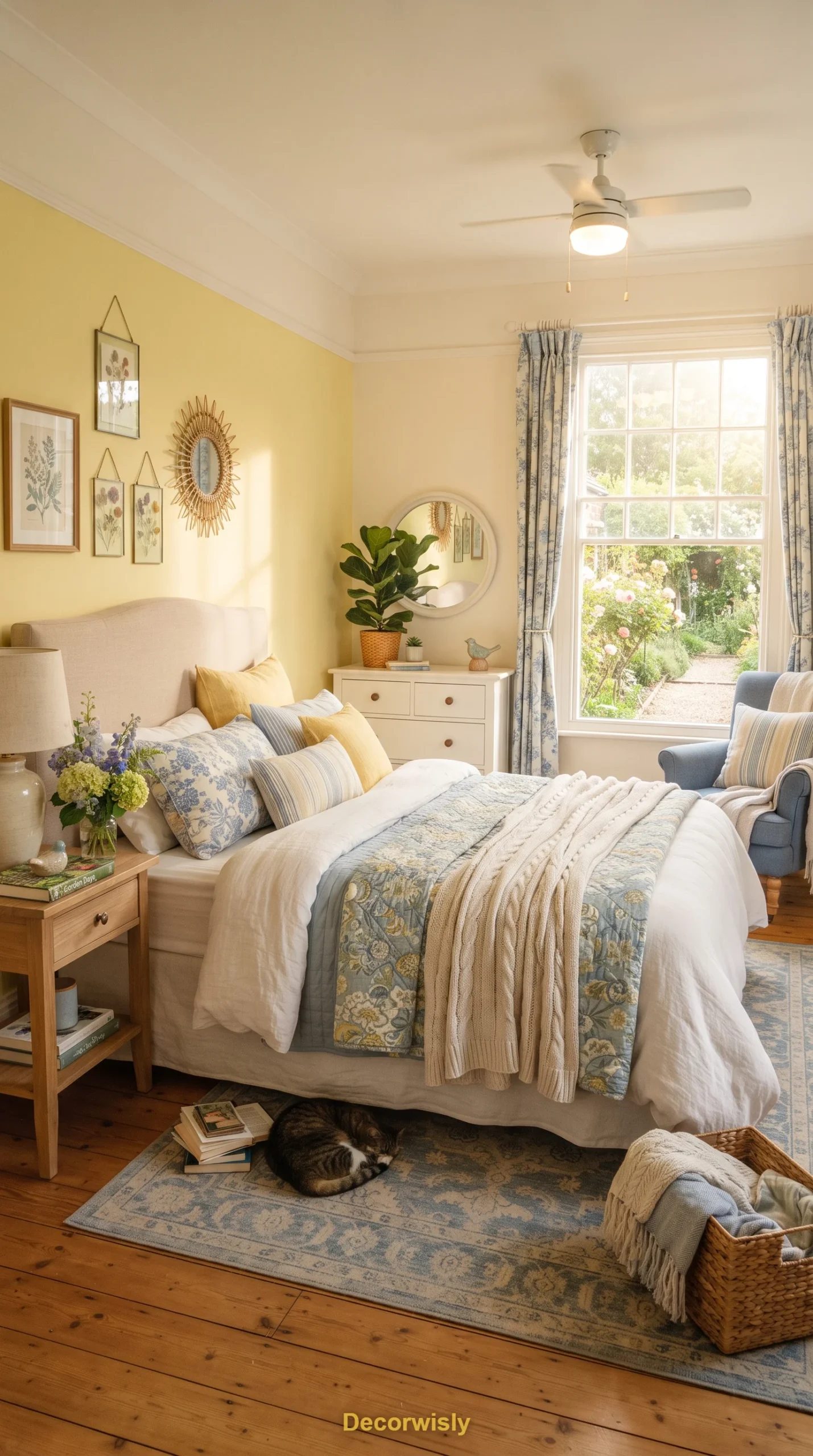
Pale yellow reads like a permanently sunny morning, gentle enough to cover an entire wall without becoming overwhelming. It pairs naturally with soft blue or green for a cheerful, garden-inspired palette, and it’s particularly useful for brightening rooms with limited natural light. The overall mood is optimistic and approachable — a color that’s hard to feel anything but good about waking up to.
25. Slate Blue Bedroom
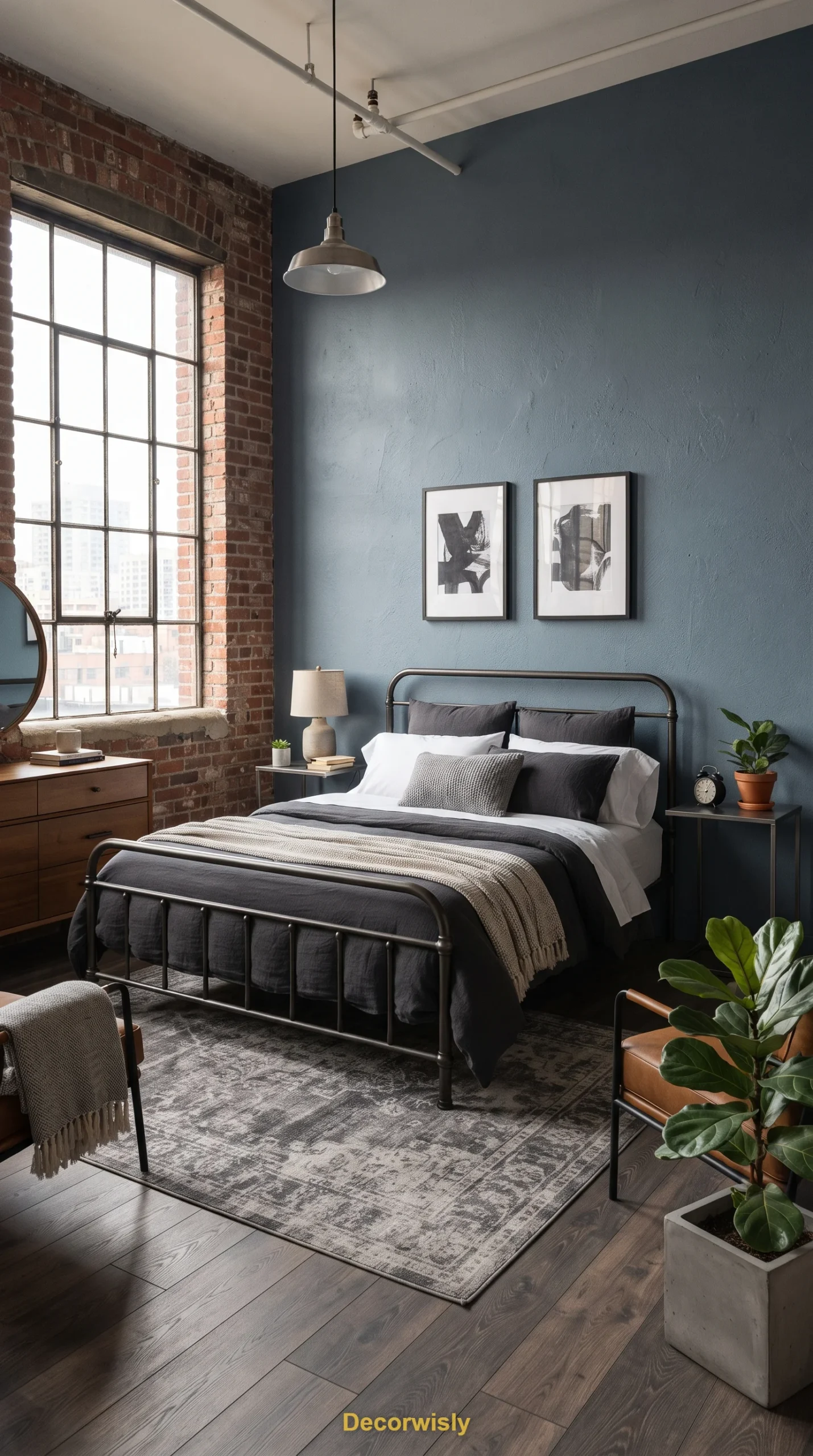
Slate blue is what happens when blue meets gray and both compromise — muted, professional, and easy to live with long-term. Charcoal accents and crisp white linens push it toward modern and clean, while industrial touches like a metal bed frame or exposed brick let it flex toward an edgier aesthetic. It shifts subtly with the light throughout the day, which keeps the room from ever feeling static.
26. Coral Bedroom
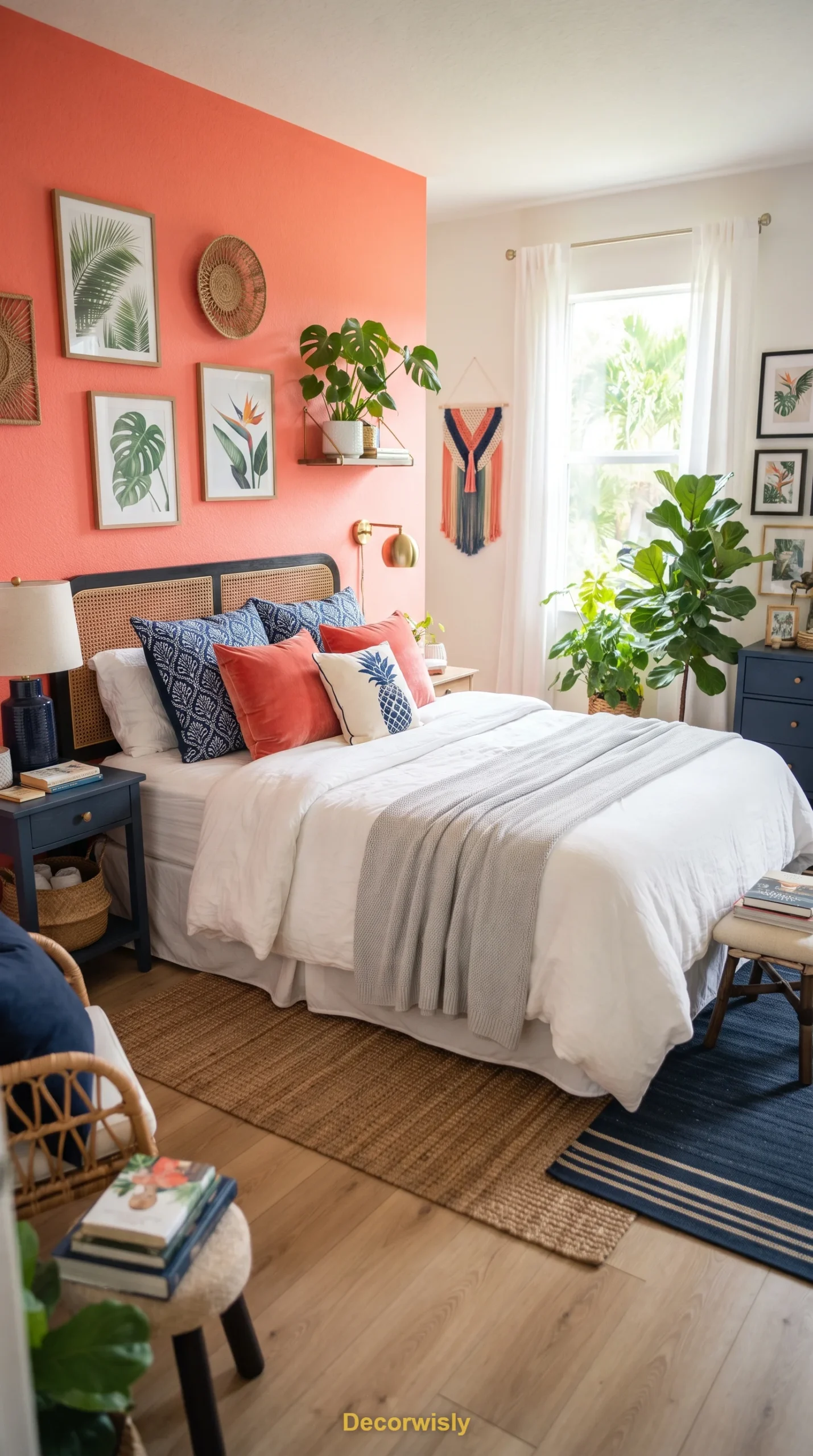
Coral brings a tropical, high-energy warmth that’s especially fun in a guest room or a bedroom that wants to feel a little less serious. White and light gray bedding keep the brightness in check, while a coral-and-navy pairing gives the room a polished, high-contrast finish. It’s a color that makes an ordinary morning feel a little more like vacation.
27. Forest Green Bedroom
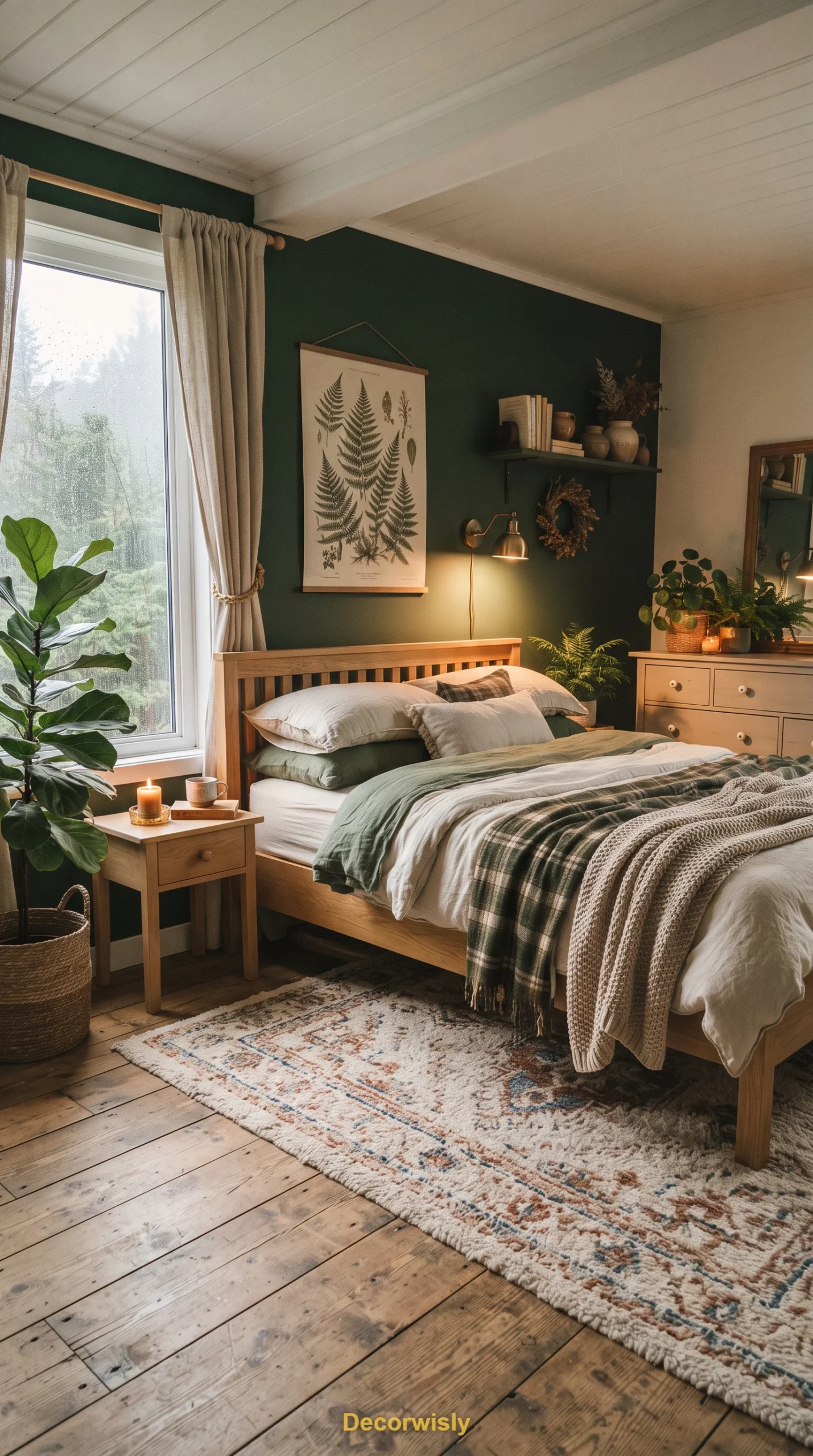
Forest green is deeper and moodier than sage, built for a bedroom that wants to feel like a genuine retreat rather than a lightly nature-themed room. It sets off light wood furniture and artwork beautifully, and organic materials — wool rugs, linen curtains, potted plants — reinforce the woodland feel. It has a distinctly “hygge” quality, especially good for slow mornings or reading in bed on a rainy day.
28. Mauve Bedroom
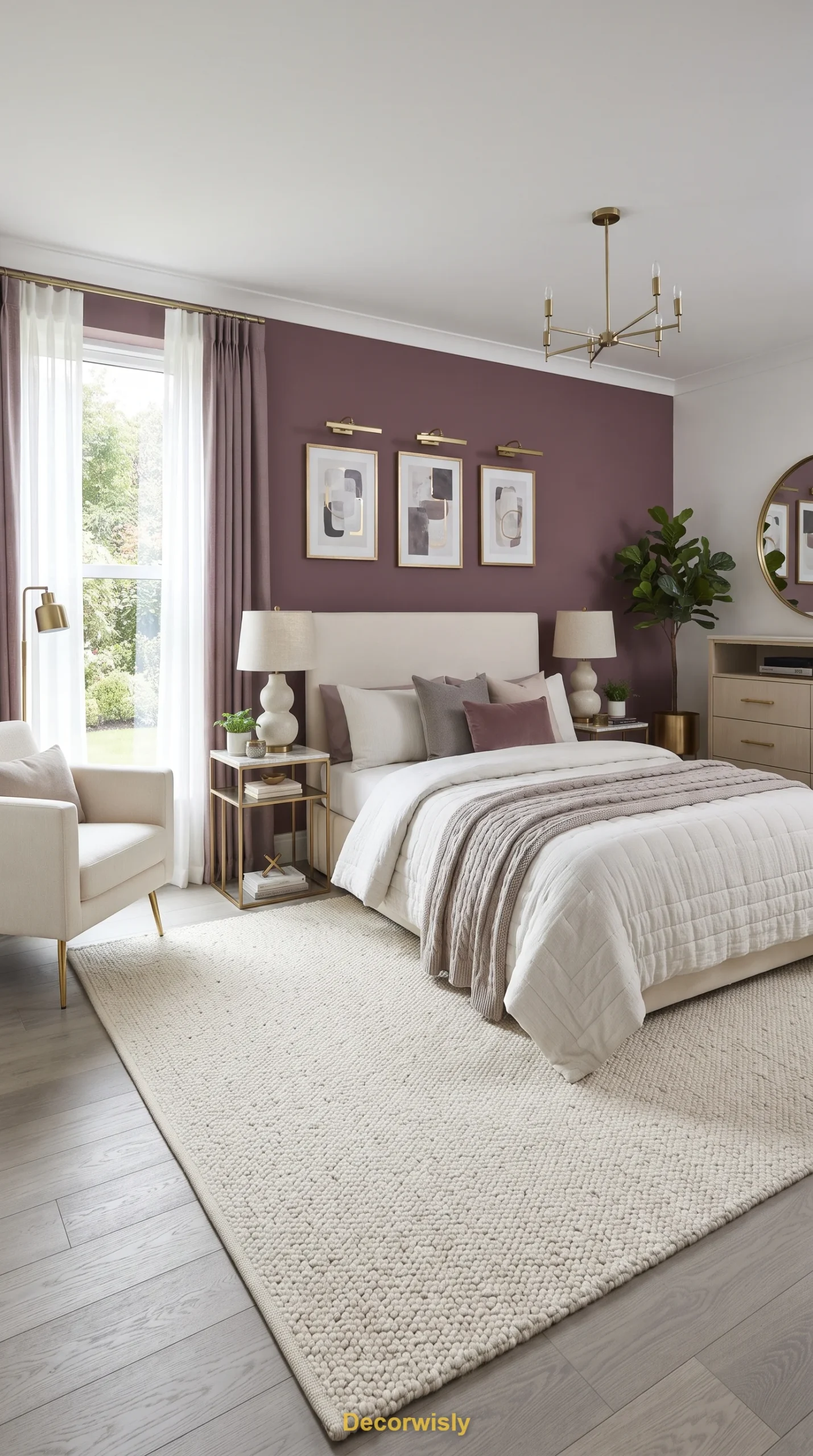
Mauve sits in a genuinely interesting spot between pink, purple, and gray, which is exactly what makes it feel so current. Brass hardware and cream furniture bring out its warmth, while light gray flooring and textured white bedding keep the whole room feeling calm and curated. It offers more depth than a straightforward lavender or rose, with just enough maturity to anchor a primary suite.
29. Copper Bedroom
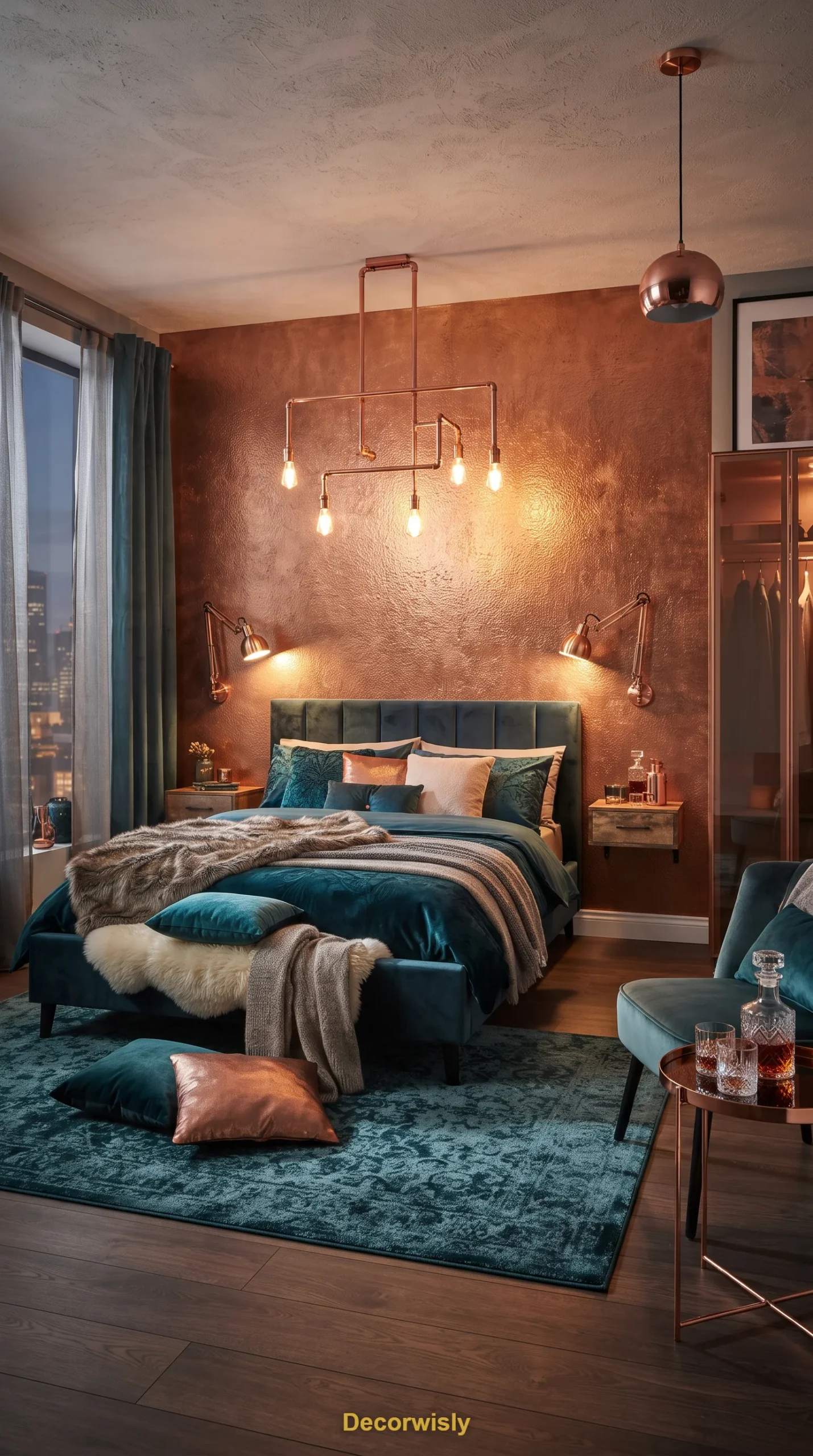
Copper as a paint or wallpaper finish brings a metallic glow that reads expensive without ever feeling cold. It leans nicely into deep teal or navy for a complementary palette that photographs particularly well, and actual copper light fixtures tie the whole scheme together with a touch of industrial polish. In evening light especially, a copper wall takes on a genuinely warm, glowing quality.
30. Warm Beige Bedroom
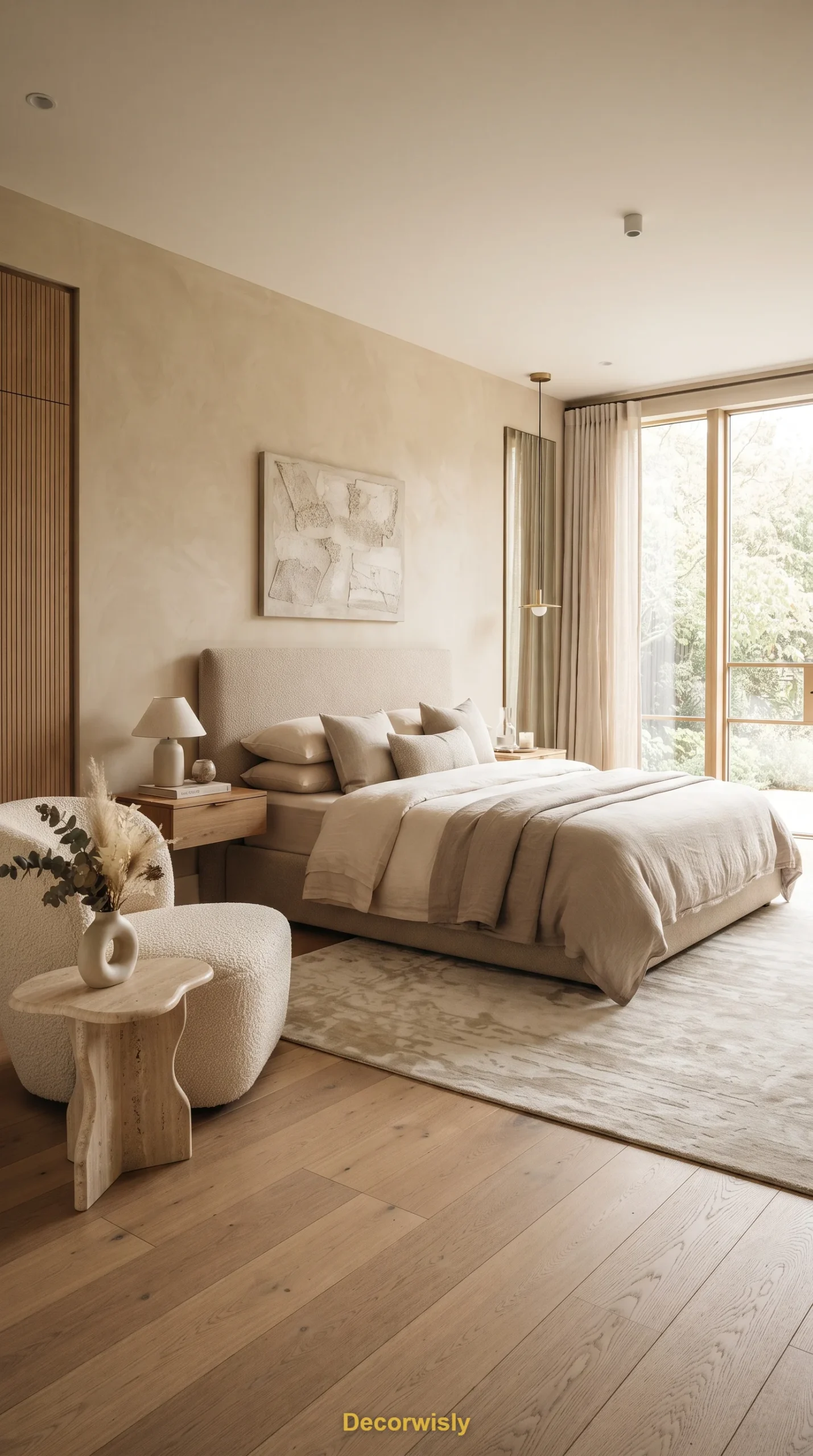
Warm beige is the quiet-luxury answer to a truly neutral bedroom — never boring, especially when the undertone leans yellow or pink rather than gray. Layering different textures in similar tones (a bouclé chair, a silk rug, linen pillows) keeps a monochromatic room from feeling flat or unfinished. It’s a versatile, calming choice that makes almost any bedroom feel larger, brighter, and more welcoming.
Final Thoughts
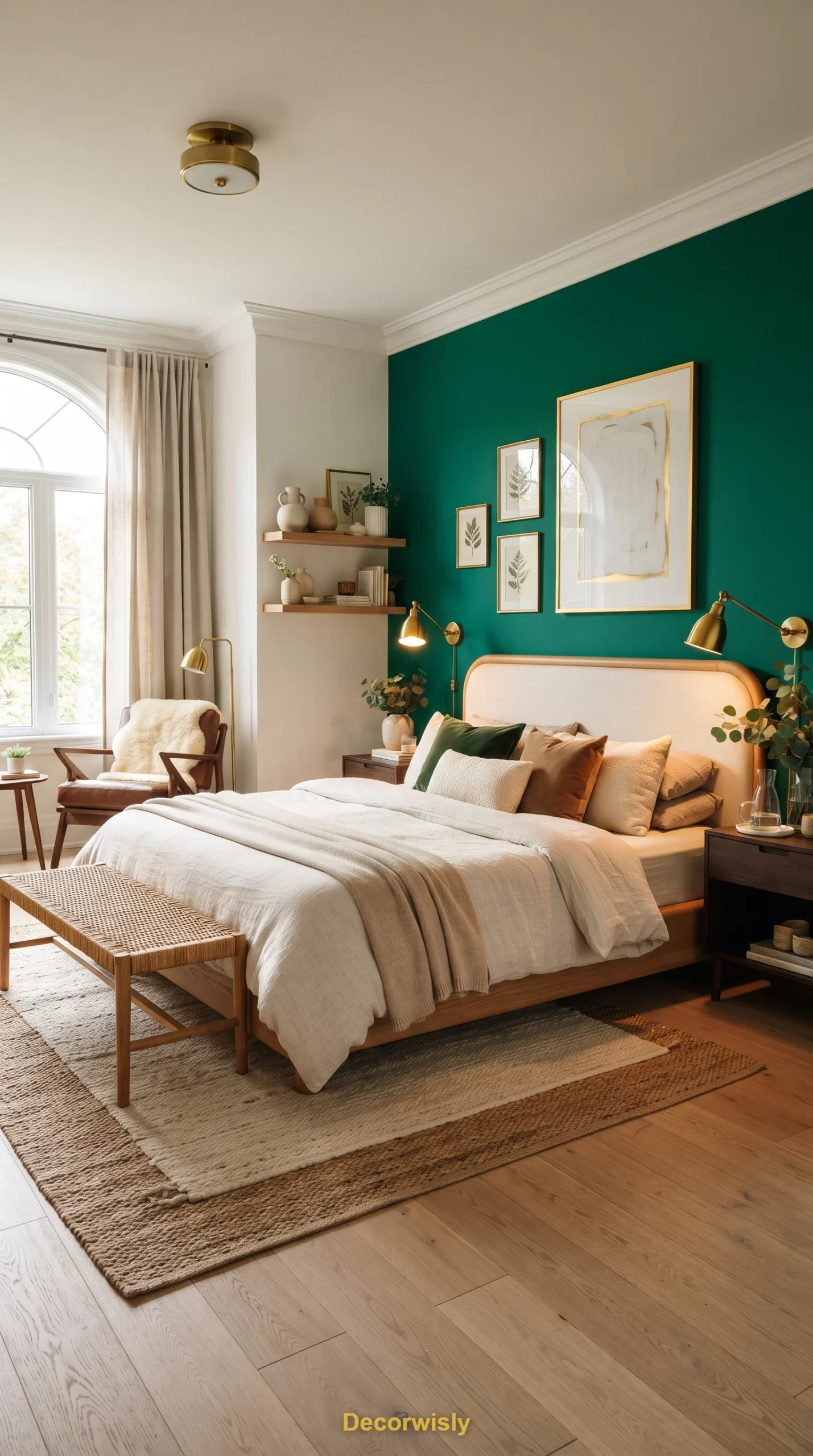
There’s no single “correct” accent color for a bedroom — the right choice depends on how much light the room gets, what furniture you already own, and honestly, what mood you want to walk into at the end of the day. Moody tones like charcoal, plum, and forest green create a cocooned, restful feel, while lighter shades like sky blue, pale yellow, and mint keep a room feeling open and easy. Whatever direction you choose, build the rest of the palette around it deliberately — lighting, textures, and furniture finishes are what turn a painted wall into a fully designed room.