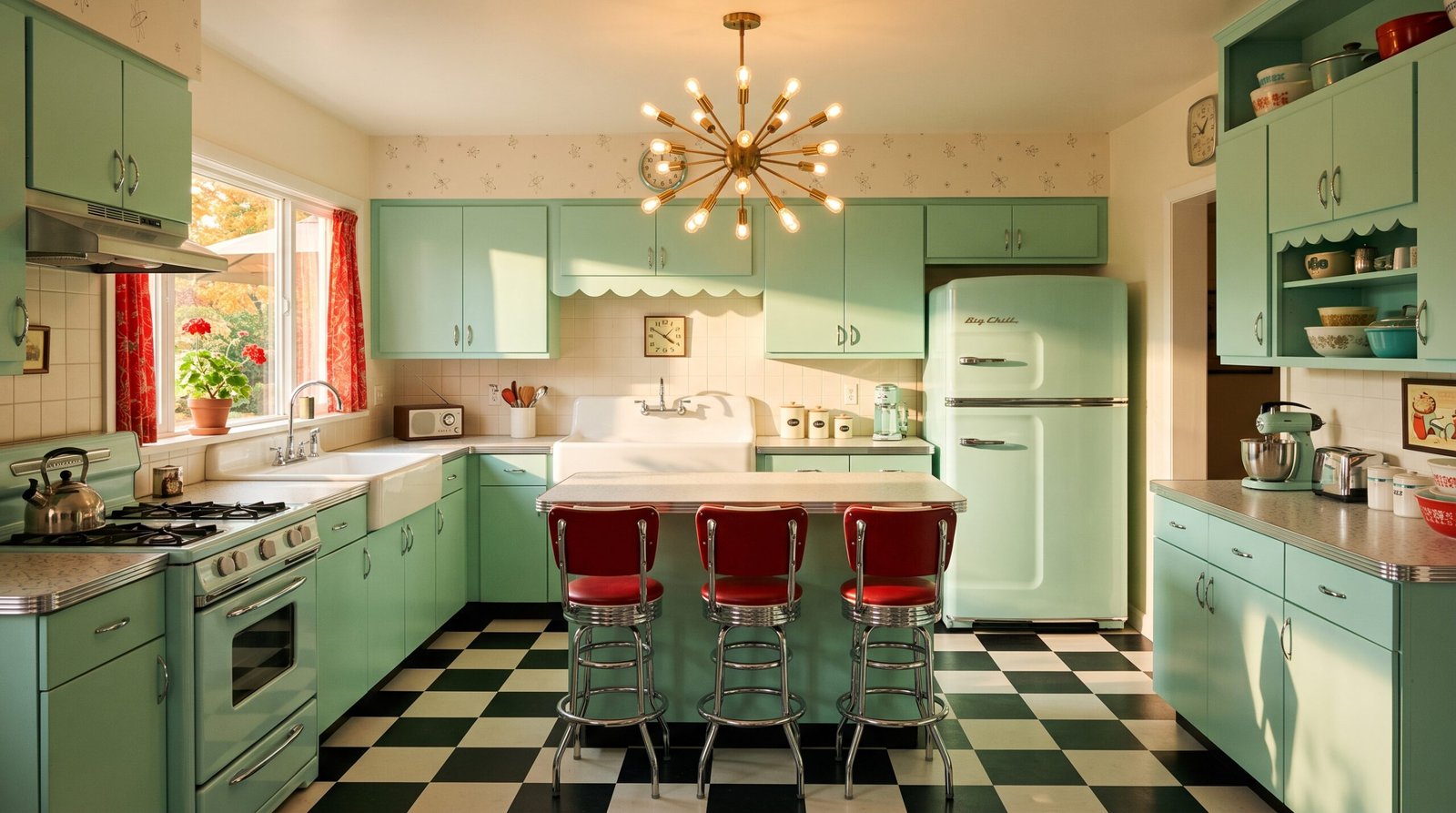
There’s a reason the 1950s kitchen never really goes out of style — it’s the last era where kitchens felt genuinely fun. Bold color, playful pattern, and gleaming chrome turned an everyday cooking space into something closer to a diner booth crossed with a candy shop. If you’re chasing that same mid-century warmth in your own home, here are 25 ideas that capture the look without ignoring how people actually cook and live today.
1. Lean Into a Playful Pastel Palette
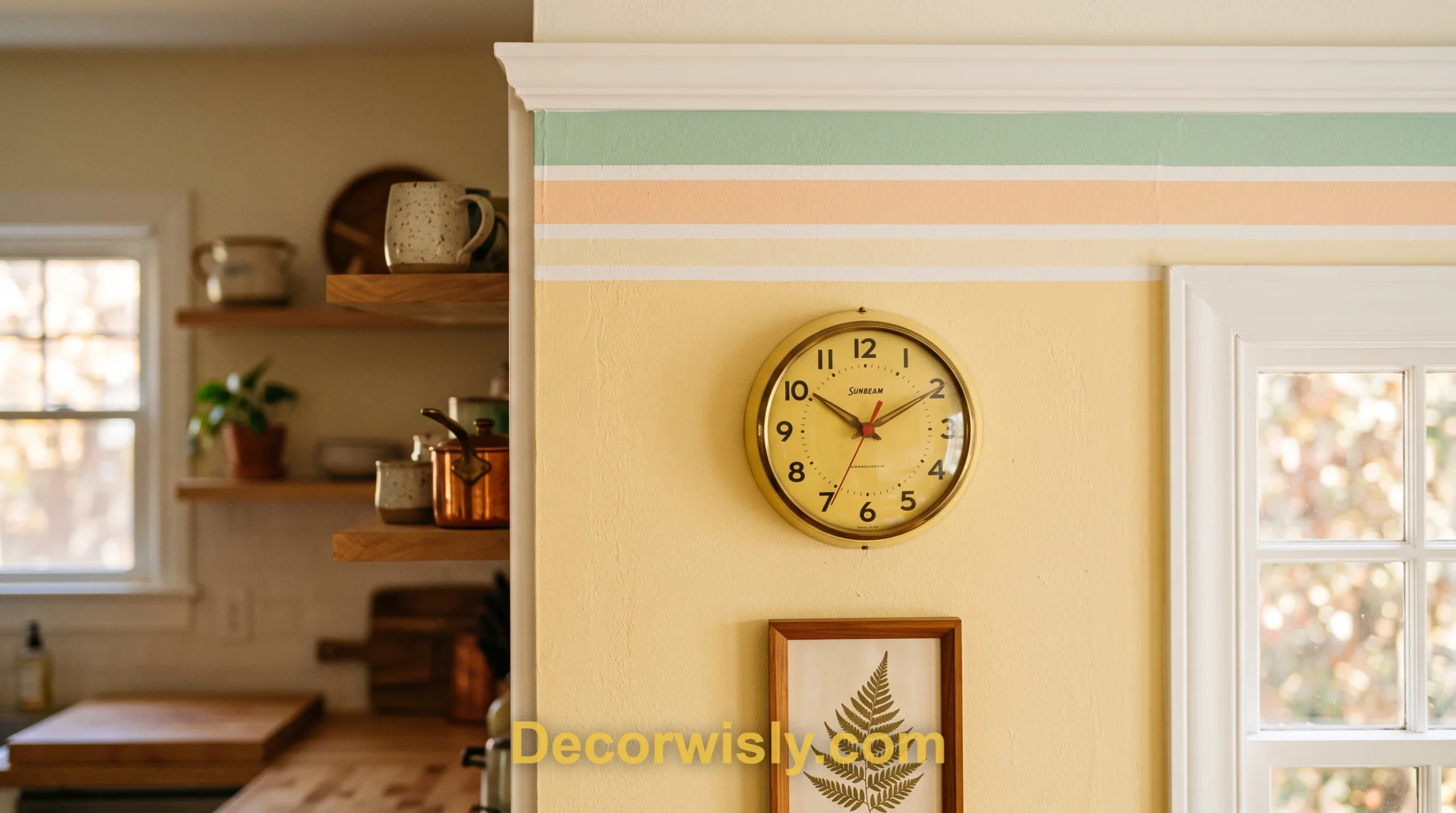
Nothing signals “1950s” faster than a wall of buttery yellow, seafoam green, or bubblegum pink. These colors weren’t shy back then, and they don’t have to be shy now either — paint one wall, a run of lower cabinets, or even the ceiling in a soft pastel and let it set the tone for the whole room. Pair it with white or cream trim so the color pops instead of overwhelming. It’s a low-cost way to inject instant personality into an otherwise neutral kitchen.
2. Bring Back a Retro-Style Refrigerator
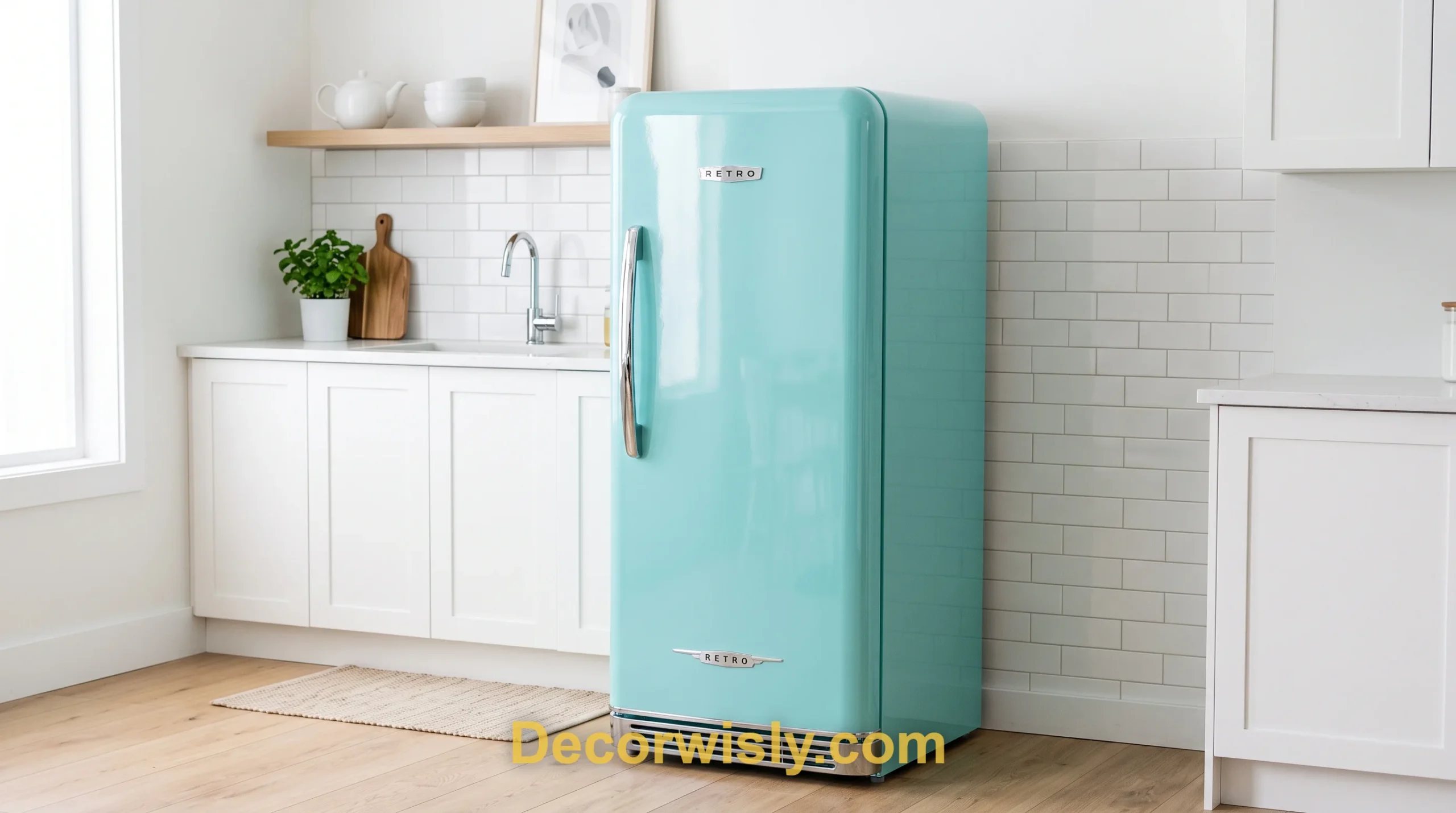
A rounded-edge, candy-colored refrigerator is basically the mascot of the 1950s kitchen. Today’s retro-style fridges give you that same bubble-shaped silhouette and glossy pastel shell, but with modern insulation and energy ratings hiding underneath. Set against plain white cabinetry, it becomes an instant conversation piece. It’s proof that a single well-chosen appliance can do more design work than an entire renovation.
3. Lay Down Checkerboard Flooring
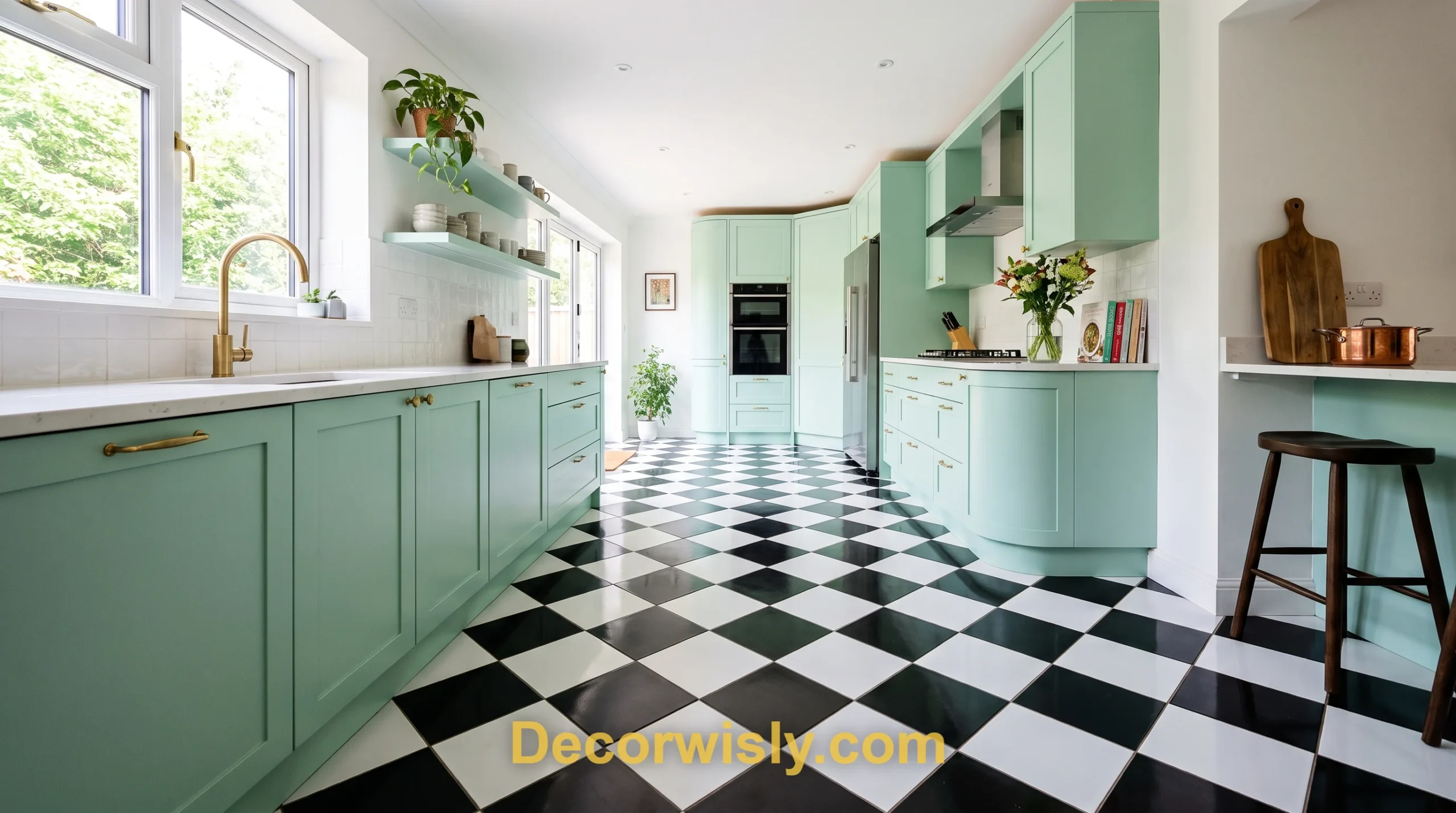
Black-and-white checkerboard tile is the floor equivalent of a little black dress — it works in almost any kitchen and never looks dated, ironically. The strong graphic pattern grounds a busy color scheme and adds instant rhythm to the room. Vinyl composition tile keeps the retro look budget-friendly, while porcelain or ceramic checkerboard tile gives you the same effect with more durability underfoot.
4. Add a Bold Patterned Backsplash
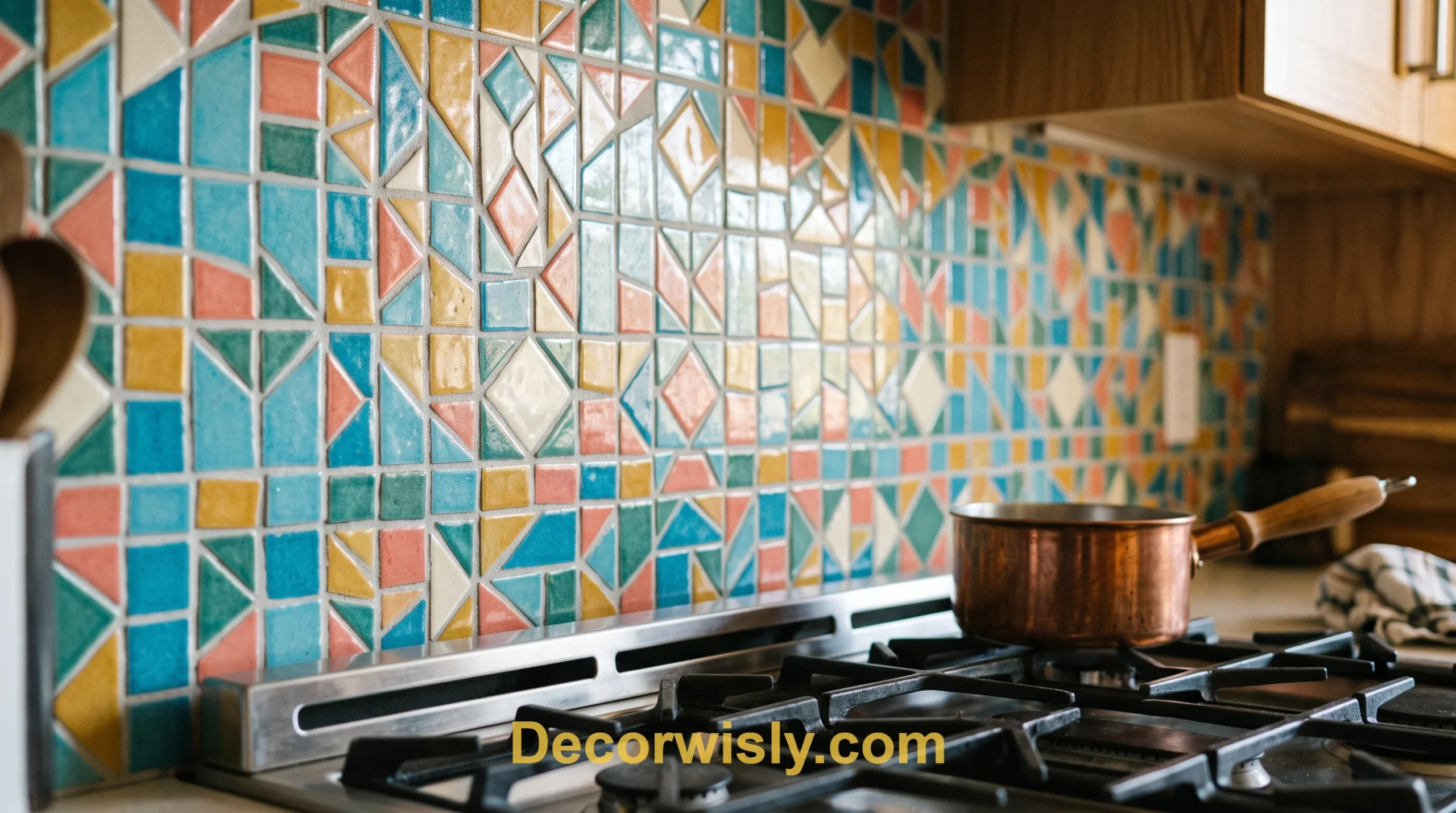
Skip the plain subway tile and go for a backsplash with real personality — think scalloped edges, boomerang shapes, or a bright geometric repeat. A patterned backsplash turns the space behind your stove into a mini art installation while still doing its job of protecting the wall from splatters. Keep countertops and cabinets simple so the backsplash gets to be the star.
5. Install Formica Countertops
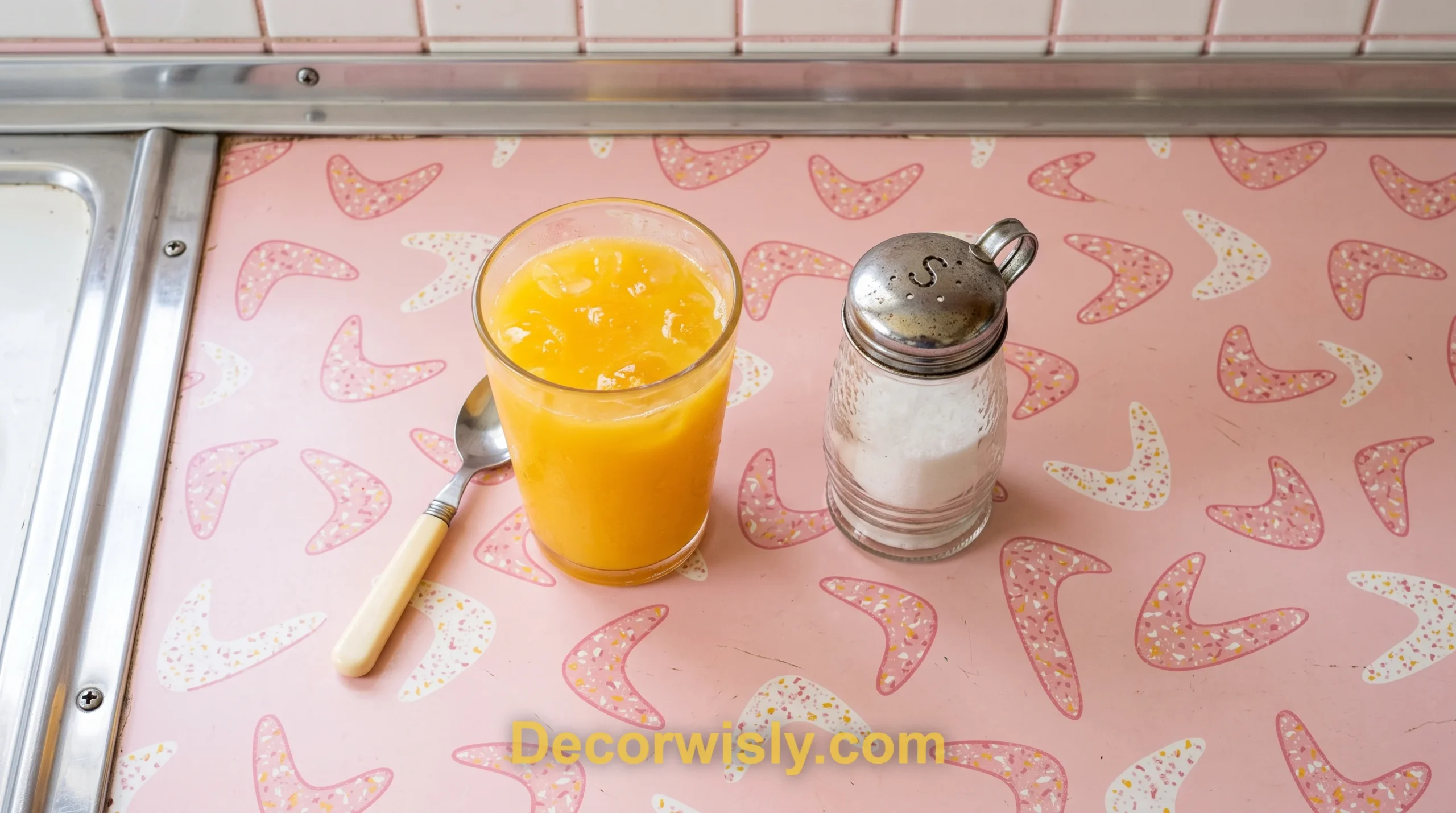
Formica isn’t just a nostalgia play — it’s genuinely practical. The laminate resists stains, wipes clean in seconds, and comes in patterns you simply can’t get in stone, from speckled boomerang prints to solid candy colors. For a kitchen that leans hard into the era without sacrificing an easy-care surface, Formica is still one of the smartest choices on the market.
6. Open Up Your Shelving
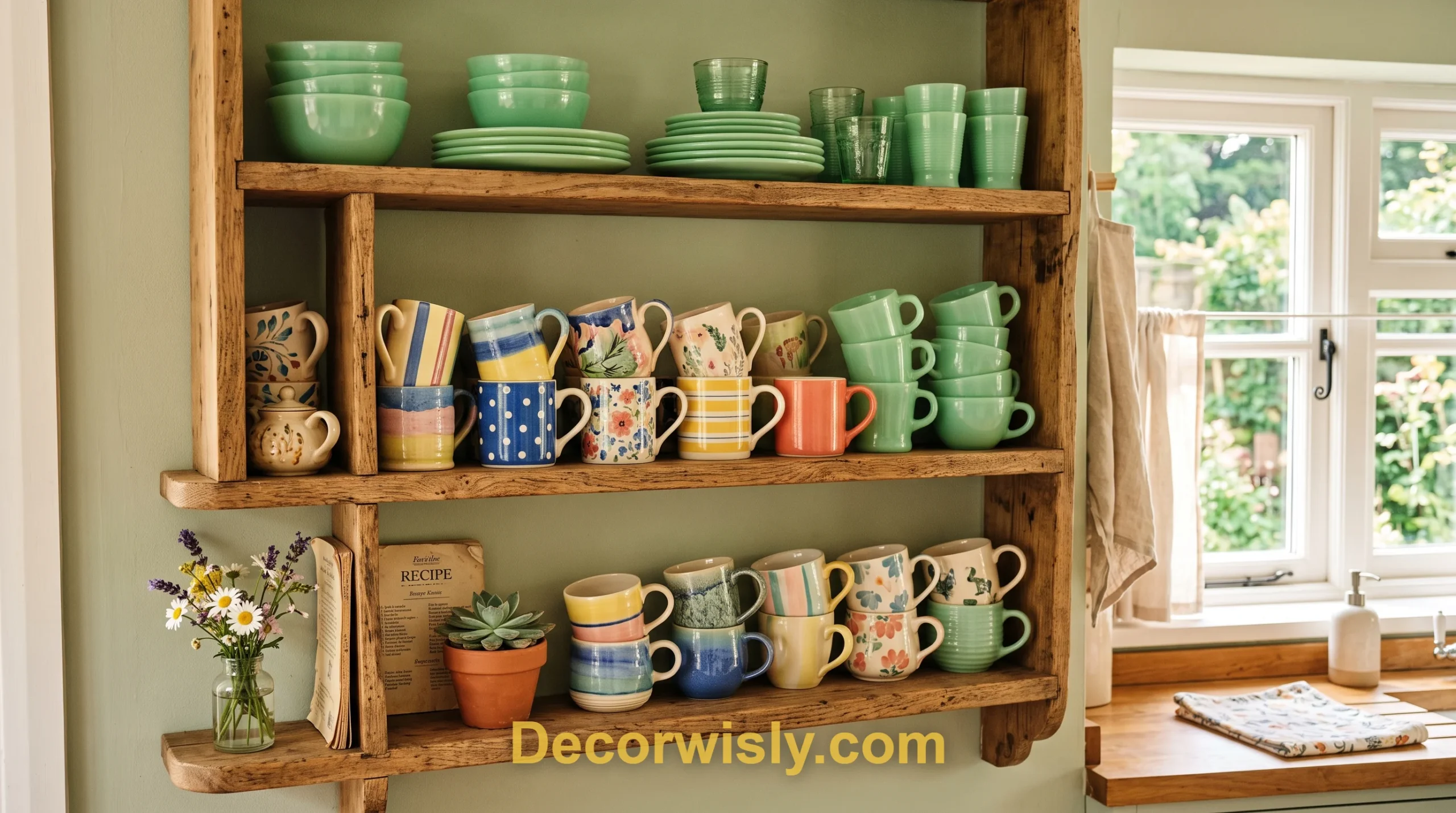
Swap a few upper cabinets for open shelves and let your dishware do the decorating. Stacked jadeite bowls, striped mugs, and a row of glass canisters turn functional storage into a display worth showing off. It also keeps daily-use items within easy reach, which is exactly the kind of no-nonsense practicality the 1950s kitchen was built on.
7. Add Chrome Fixtures and Hardware
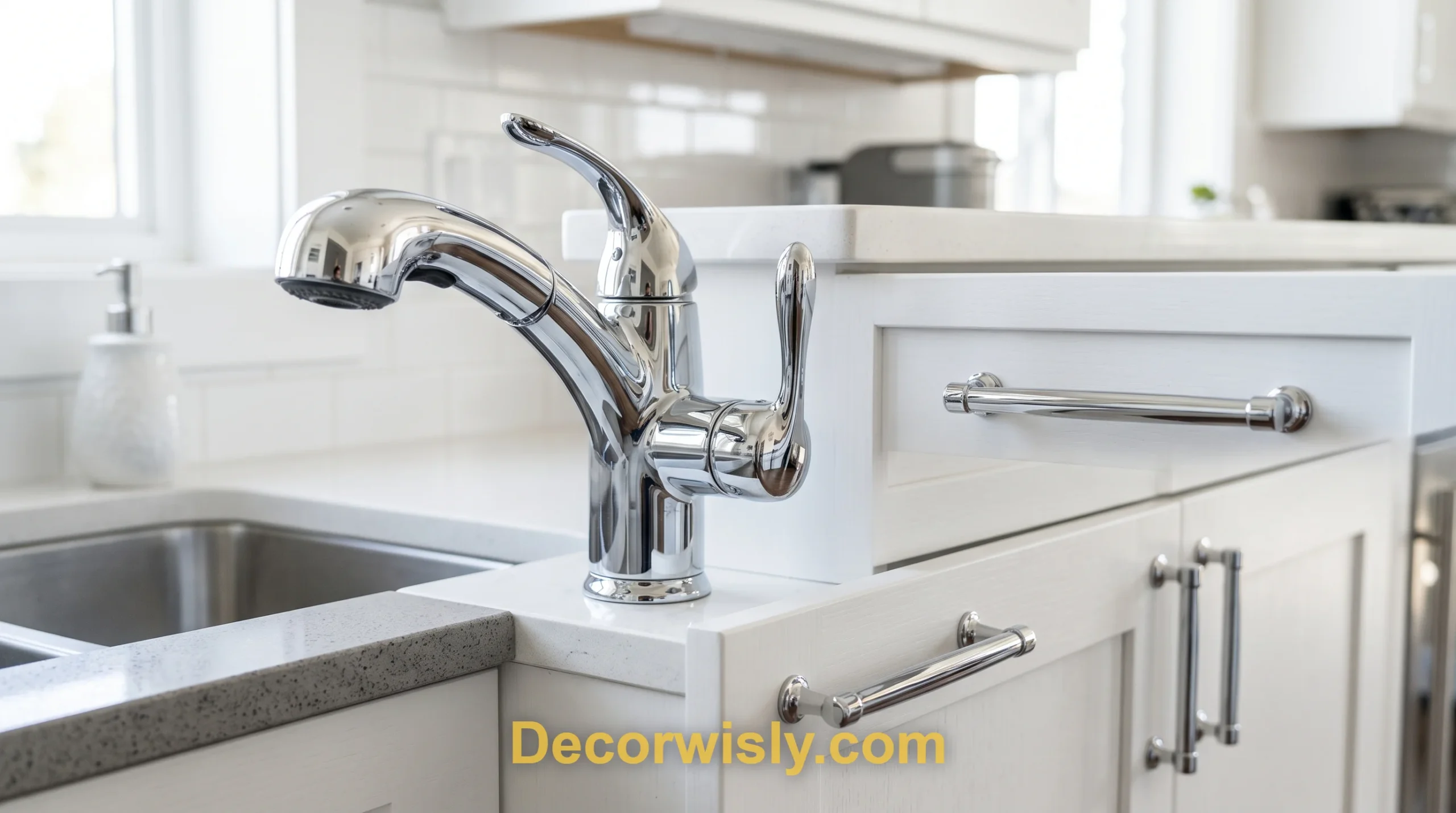
Swap out matte black or brushed brass for polished chrome — it’s the finish that defined the era. Chrome faucets, drawer pulls, and light fixtures catch the light in a way that instantly reads mid-century, and they pair beautifully with pastel cabinetry or crisp white surfaces. It’s a small, affordable update that makes a noticeable difference in how “period accurate” the whole kitchen feels.
8. Build in a Diner-Style Breakfast Nook
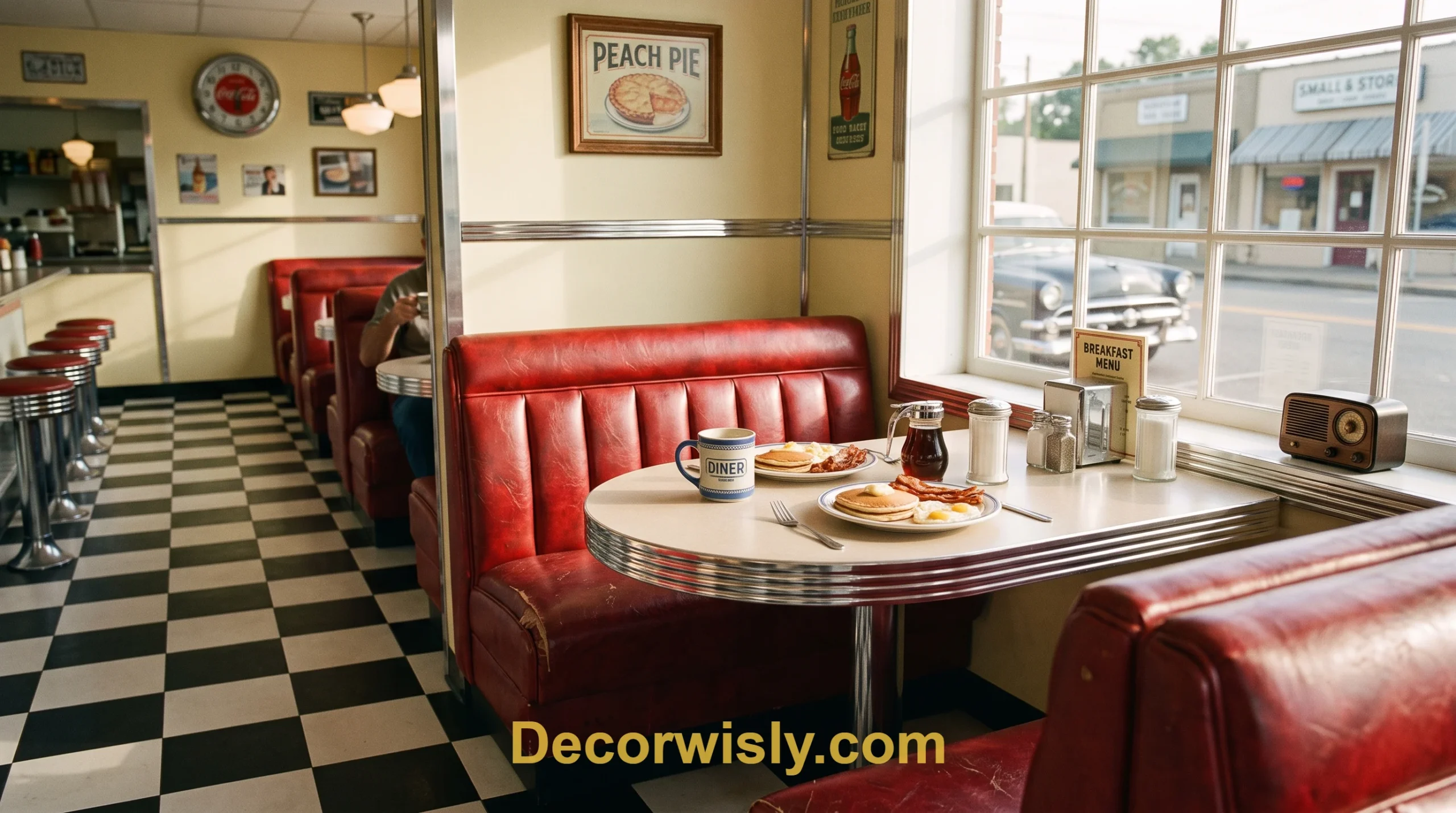
A built-in booth with vinyl-upholstered bench seats and a small round table brings genuine diner energy into your kitchen. It’s a cozy spot for morning coffee, homework, or a quick lunch, and it uses corner space that would otherwise go to waste. Add a chrome-trimmed table edge and a jukebox-red vinyl seat and the throwback feeling writes itself.
9. Hang a Statement Light Fixture
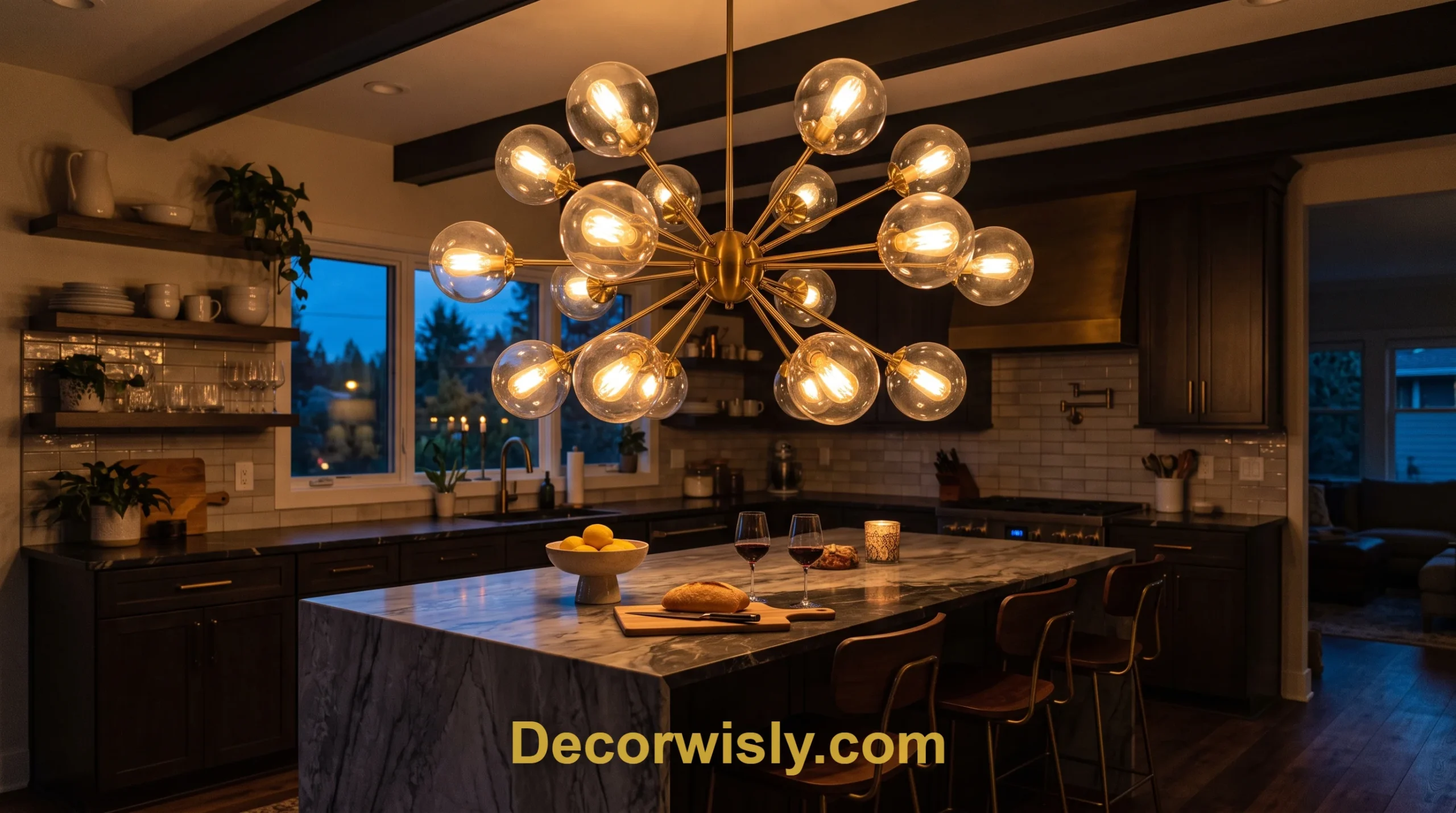
A sputnik chandelier or a bubble-glass pendant does more than light the room — it sets the whole tone the moment you walk in. These fixtures were built to be looked at, not hidden, so let one hang proudly over an island or dining nook. The right fixture bridges function and nostalgia in a single, unmissable gesture.
10. Make the Island the Heart of the Room
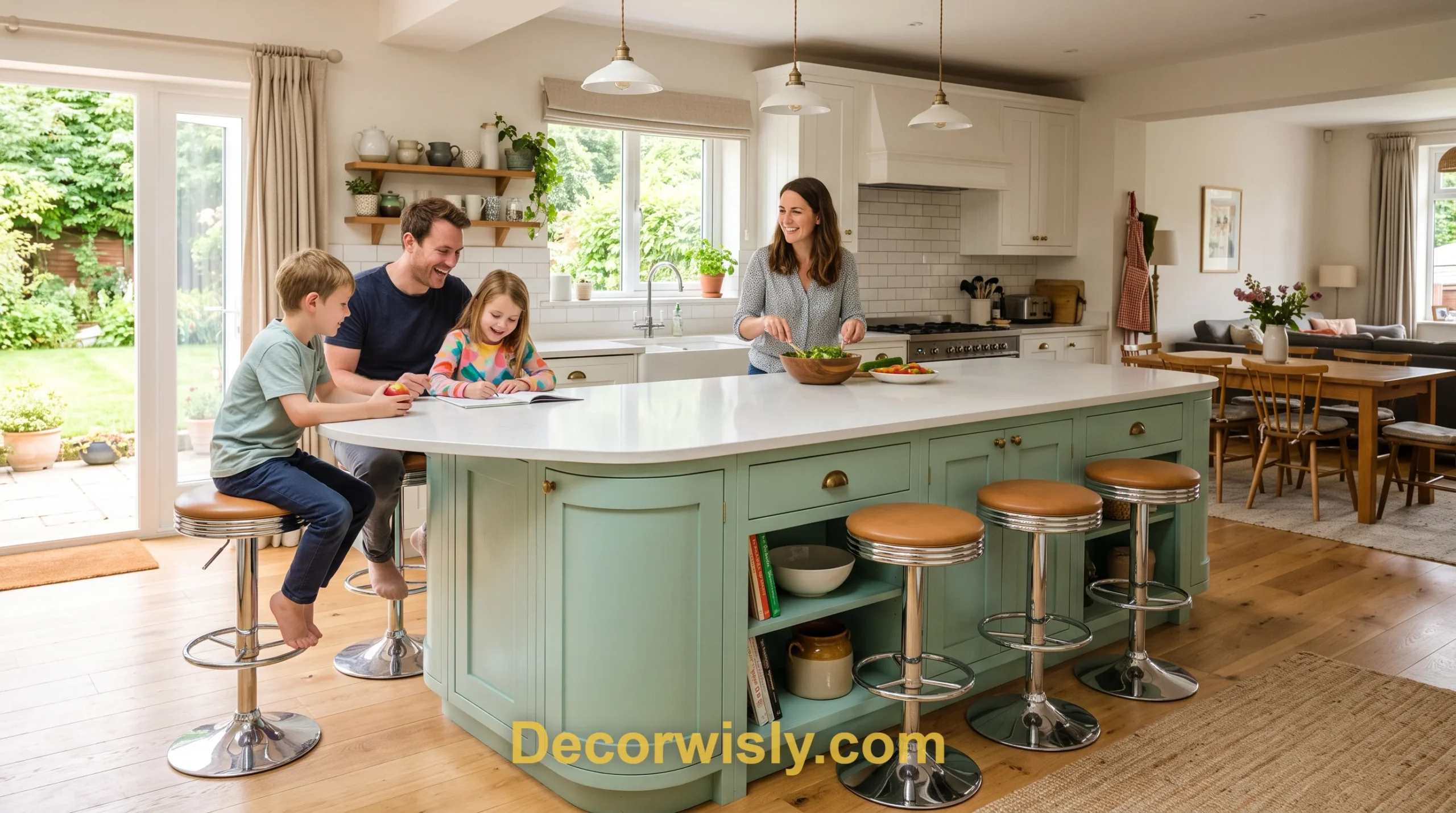
A pastel-painted island with rounded corners and a contrasting countertop becomes the natural gathering spot, just like the kitchen table once was. Give it enough room for a couple of stools and it doubles as a casual dining spot and extra prep space. It’s the single best way to bring mid-century warmth into an otherwise open, modern floor plan.
11. Go Bold With Wallpaper
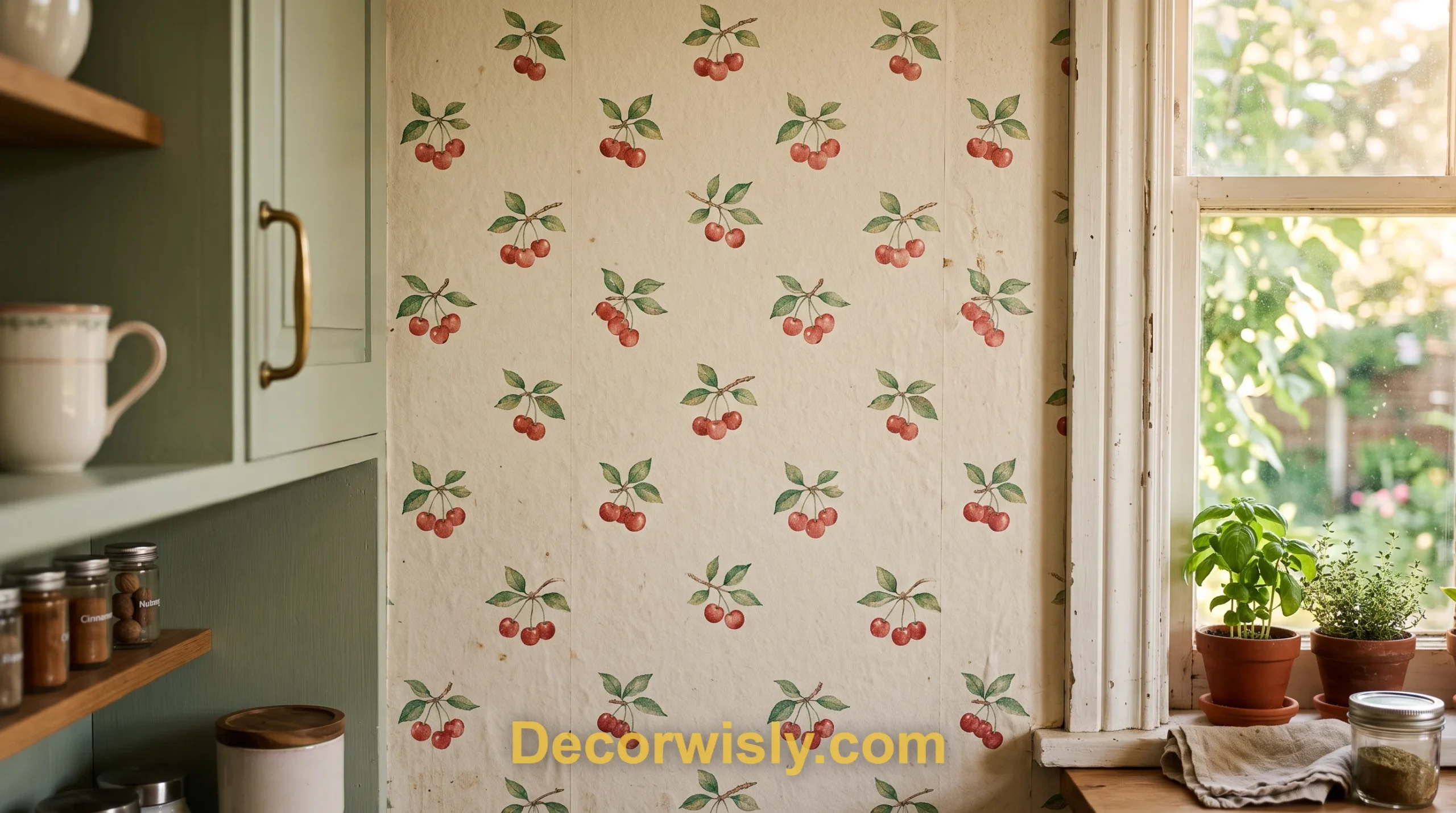
A single wall of vintage-inspired wallpaper — cherries, atomic starbursts, or gingham checks — can transform a plain kitchen instantly and affordably. It’s an easy way to commit to the aesthetic without repainting cabinets or replacing flooring, and it’s just as easy to swap out later if your taste evolves.
12. Dress Up the Range Hood With Tile
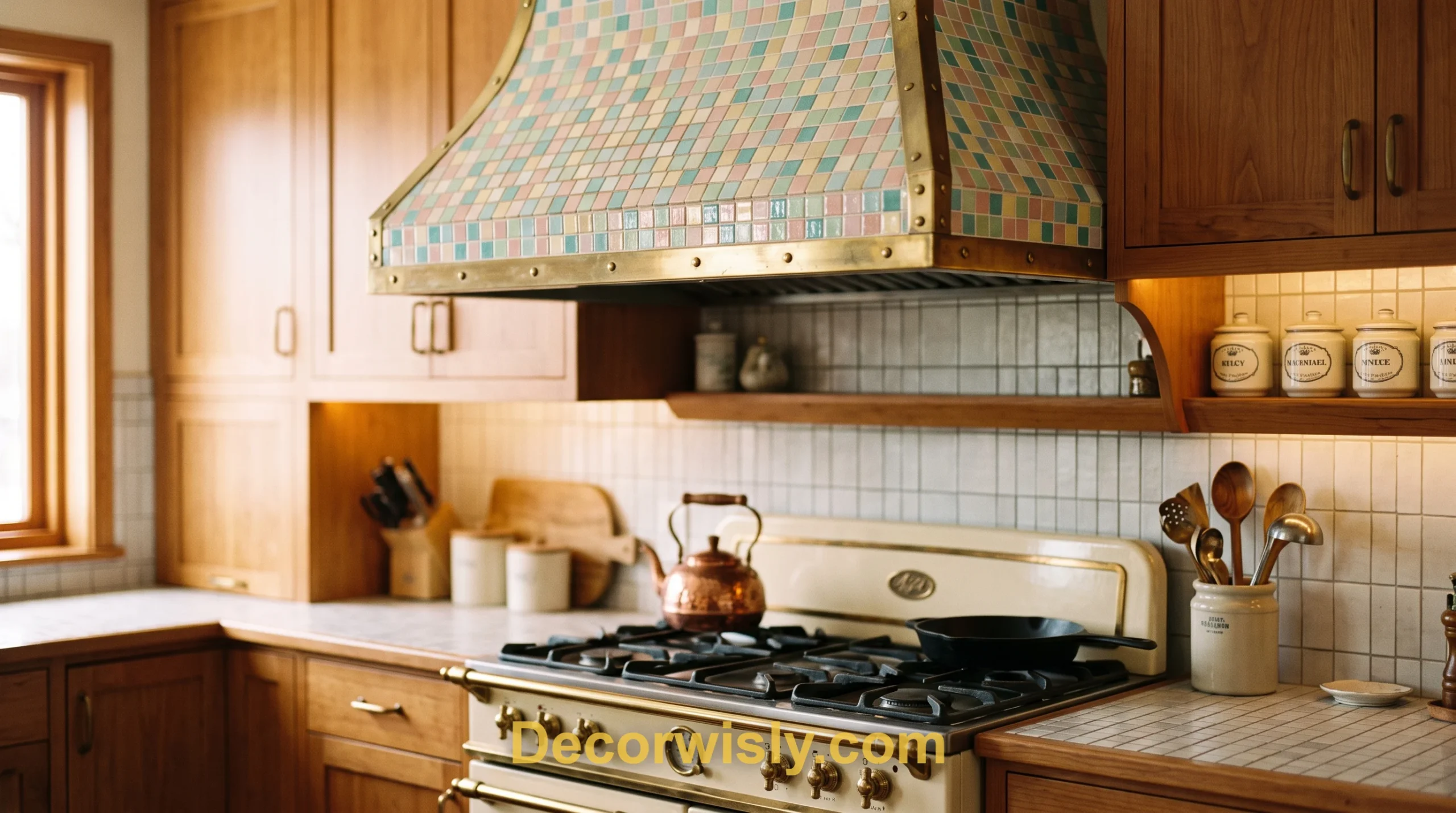
Instead of a plain metal hood, wrap it in small mosaic tiles that pick up a color from elsewhere in the room. It turns a purely functional element into a decorative focal point above the stove, and the tile is just as easy to wipe down as sheet metal.
13. Decorate With Pop Art and Kitsch
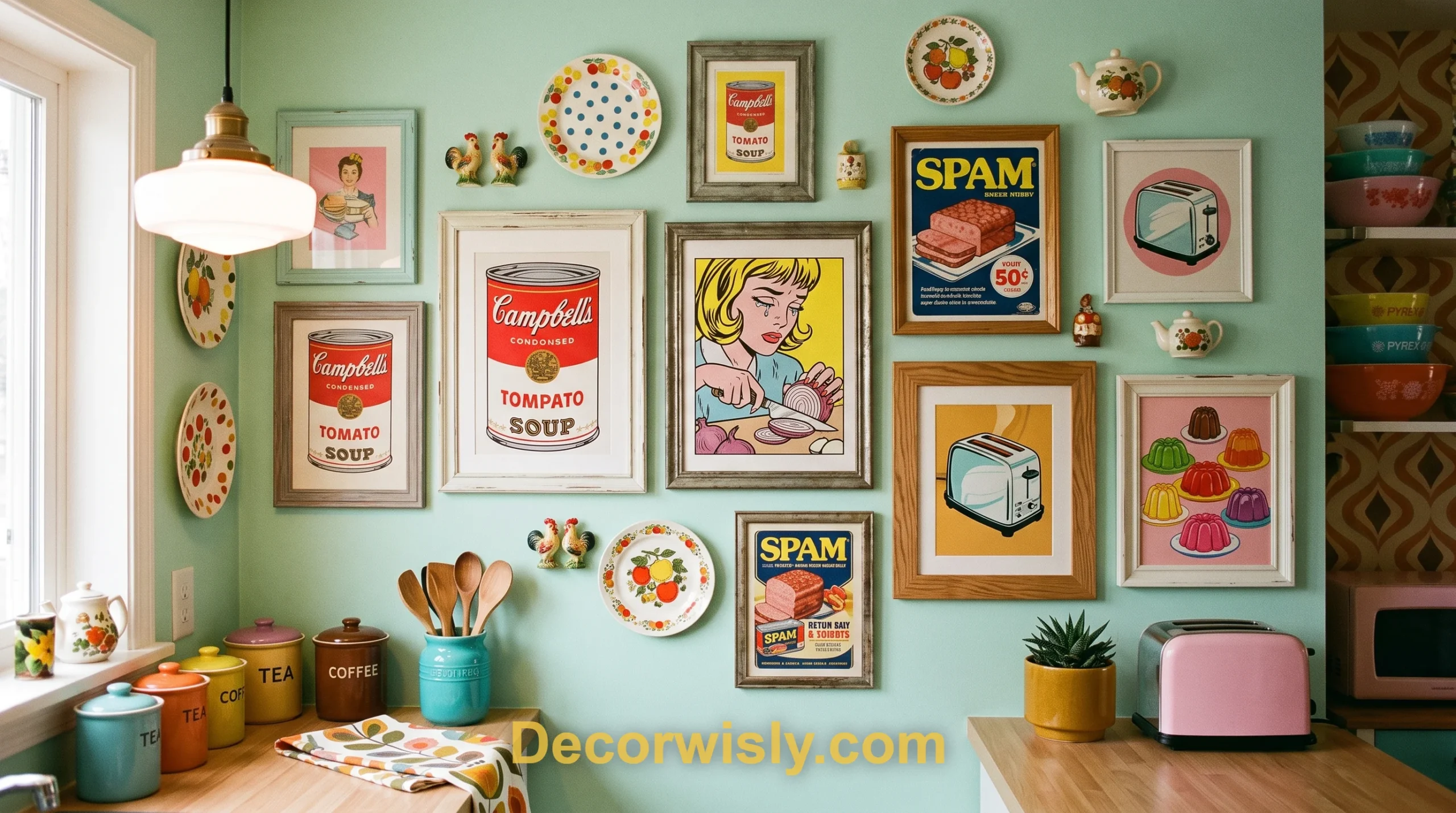
Framed vintage ad prints, a ceramic rooster, or a bright abstract print on the wall all add personality without committing to a full renovation. These small touches are what make a kitchen feel lived-in and collected rather than showroom-perfect.
14. Choose Sleek, Handle-Free Cabinetry
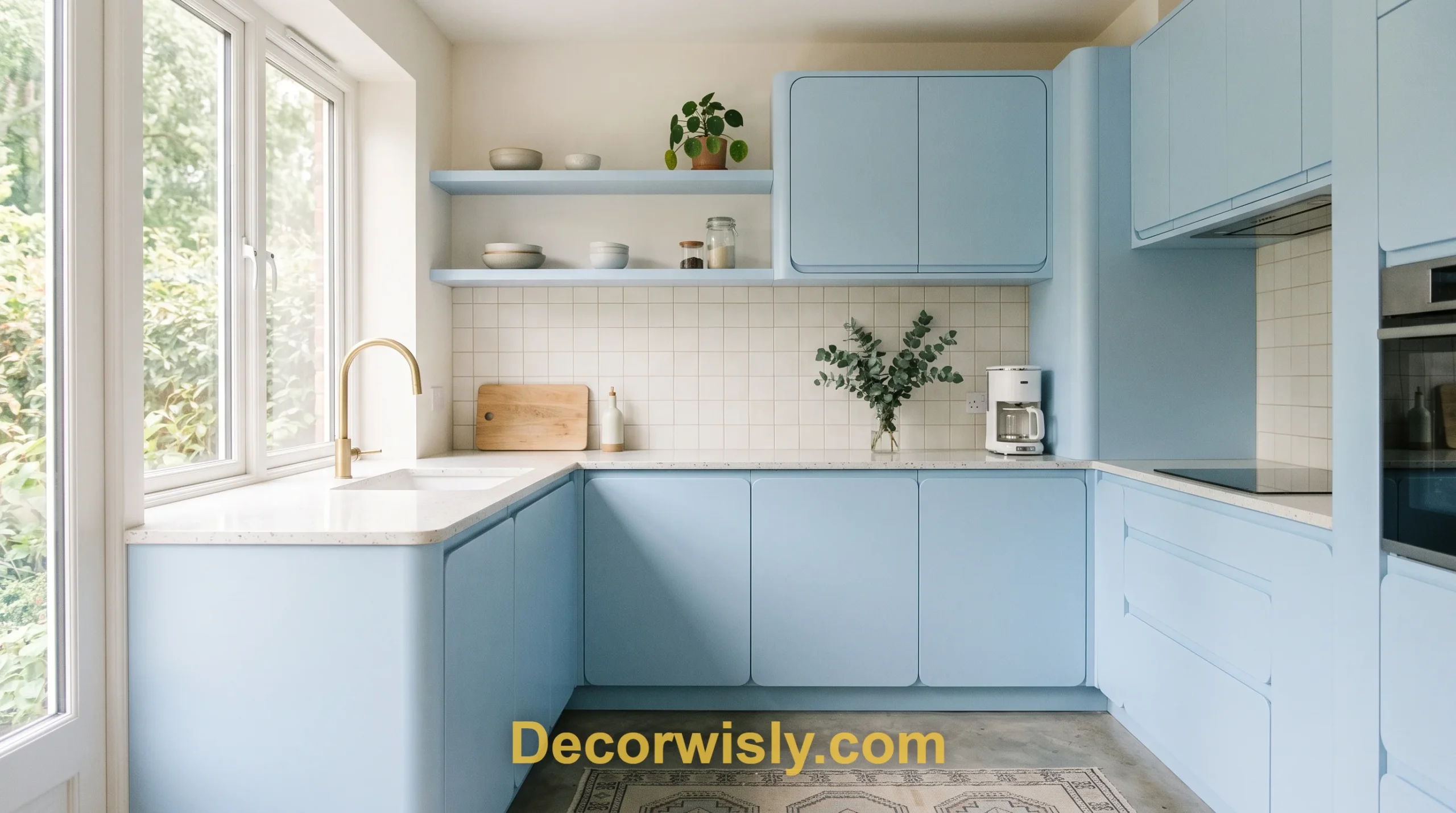
For a cleaner take on the era, look at streamlined cabinets with integrated pulls instead of ornate hardware. This keeps the room feeling open and uncluttered while still nodding to the smooth, rounded lines that defined 1950s design.
15. Swap in Glass-Front Cabinets
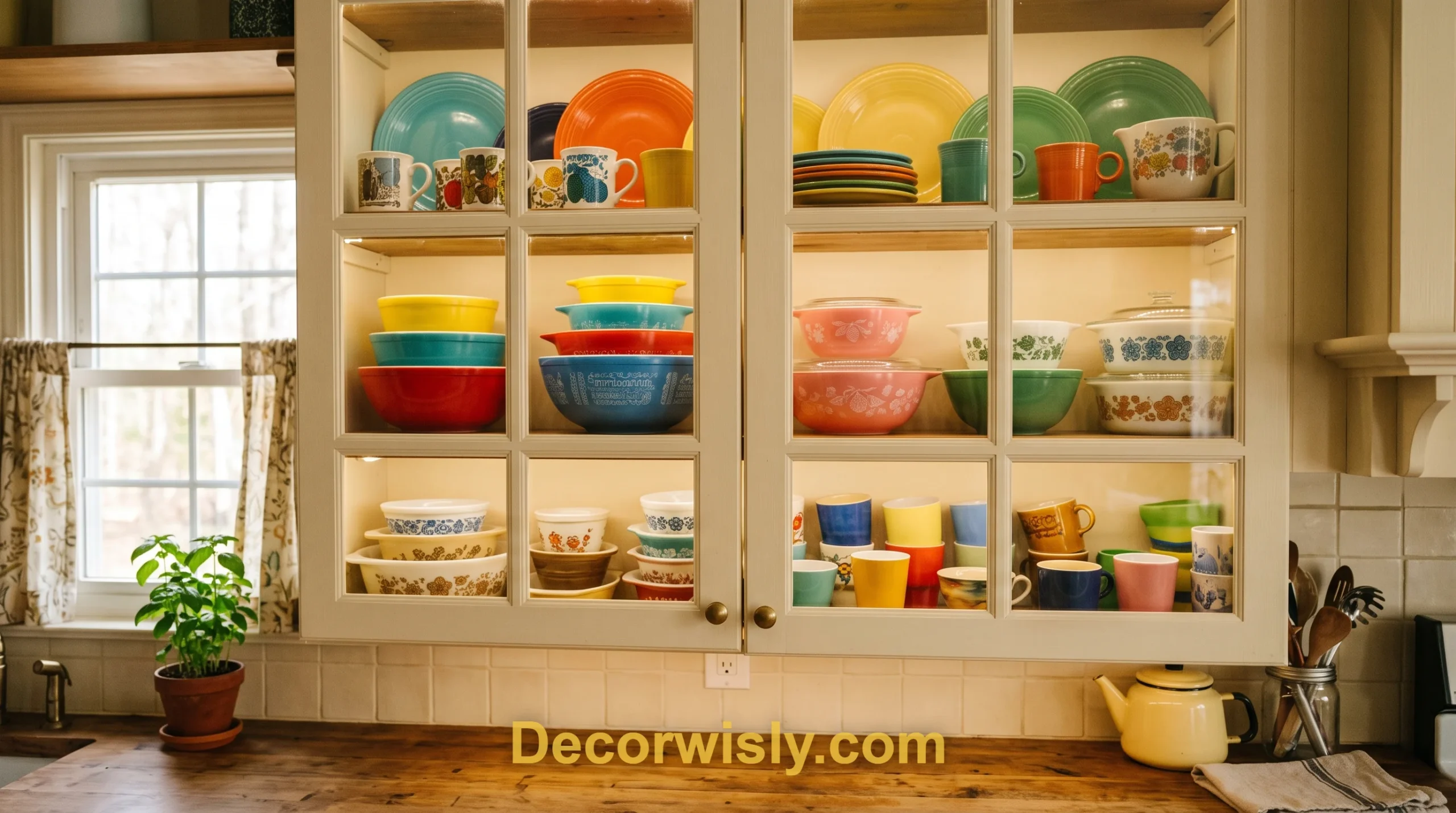
Glass doors let your collection of colorful dishware become part of the decor instead of hiding it away. They also bounce light around the room, which makes even a small galley kitchen feel more open. Line the shelves behind the glass with jadeite, Pyrex, or striped stoneware for maximum retro payoff.
16. Turn Tableware Storage Into a Display
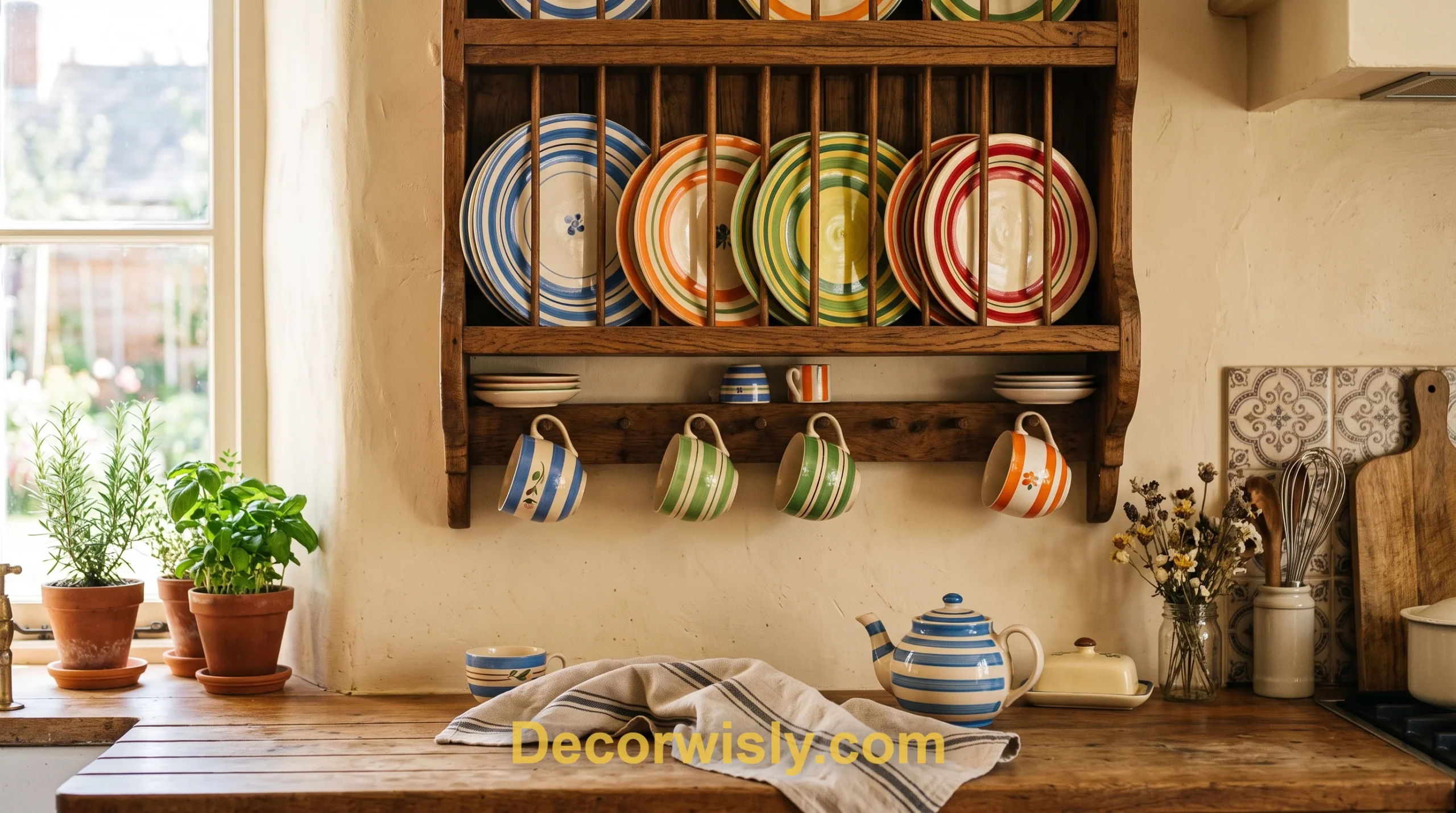
Rather than tucking everyday dishes behind solid doors, use open cabinets or a plate rack to let your vintage tableware double as wall art. It’s practical — everything stays within arm’s reach — and it gives the room an ever-changing, personal layer of color.
17. Hang a Few Vintage-Style Signs
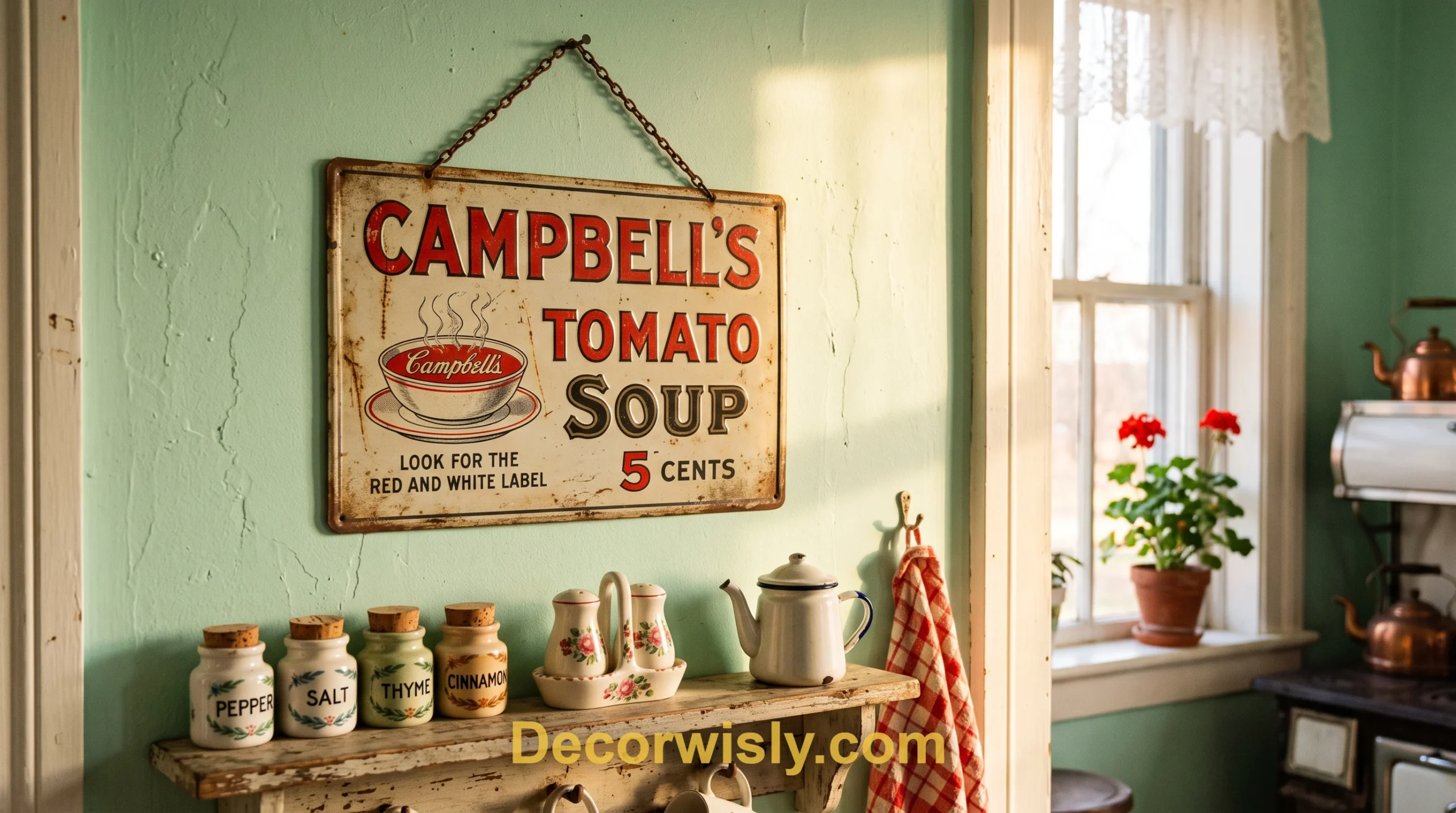
A tin sign, a hand-lettered “Kitchen” plaque, or a reproduction soda advertisement adds a wink of humor to the room. These small, inexpensive touches do a lot of heavy lifting when it comes to setting a nostalgic, welcoming mood.
18. Plan a Layout That Actually Flows
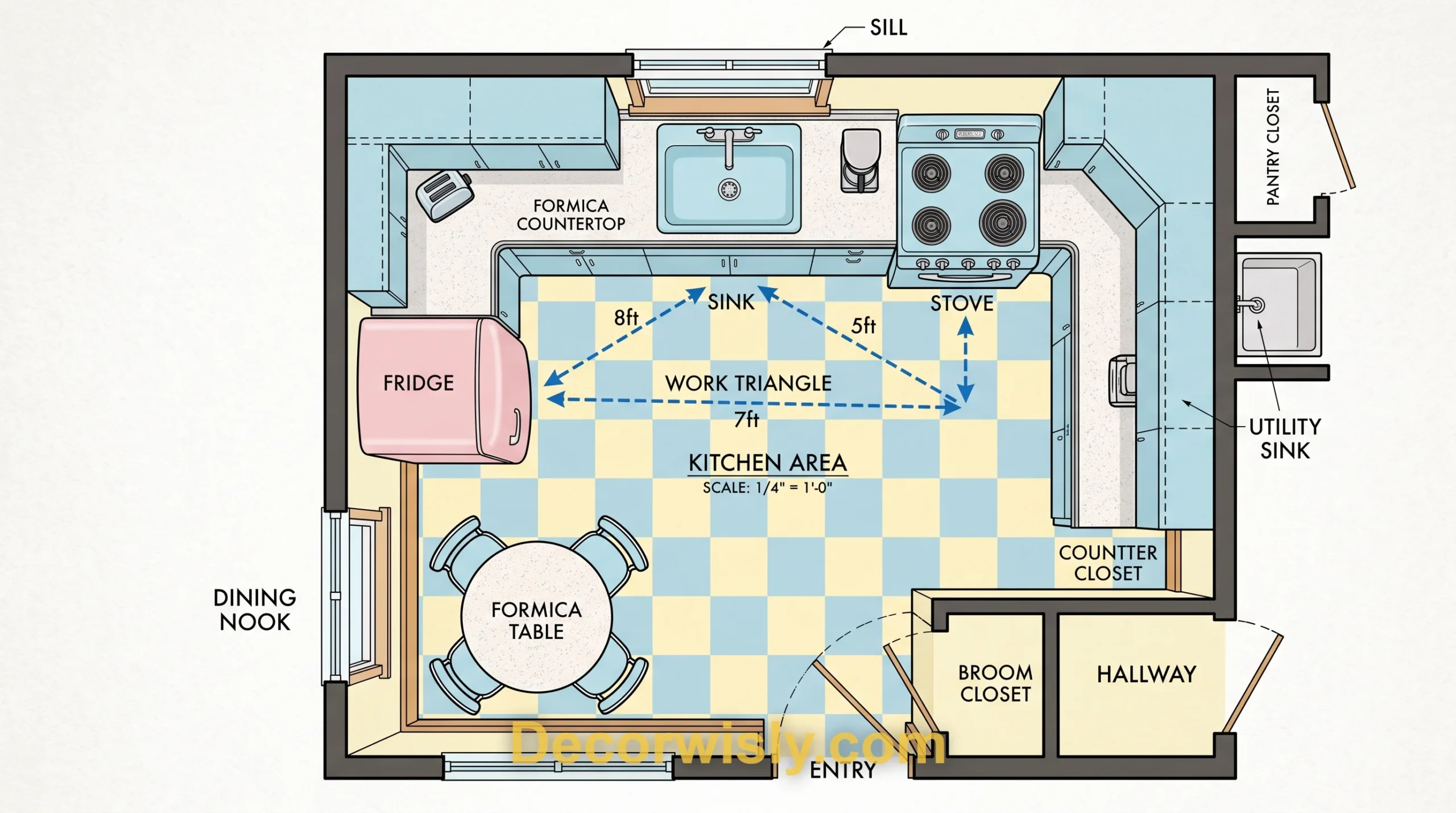
Under all the color and pattern, 1950s kitchens were designed around the classic work triangle — sink, stove, and fridge positioned for minimum walking and maximum efficiency. Borrowing that same logic today means your retro kitchen looks the part and works even better than the original.
19. Blend Retro Looks With Modern Tech
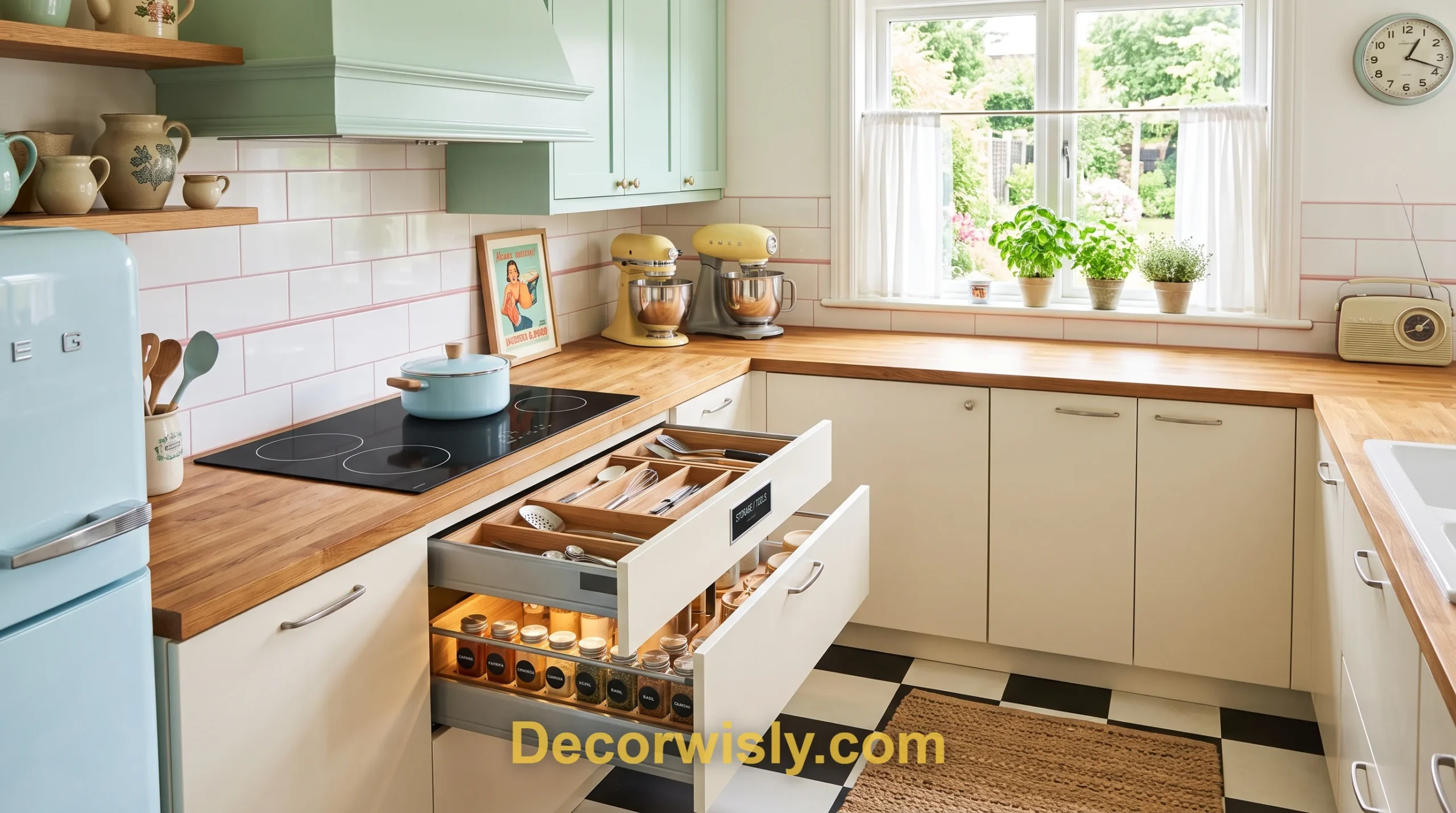
You don’t have to choose between nostalgia and convenience. Smart storage, induction cooktops, and quiet modern ventilation can all live comfortably behind a pastel, chrome-trimmed exterior. The result is a kitchen that photographs like 1955 and performs like 2026.
20. Add a Vintage-Patterned Floor Mat
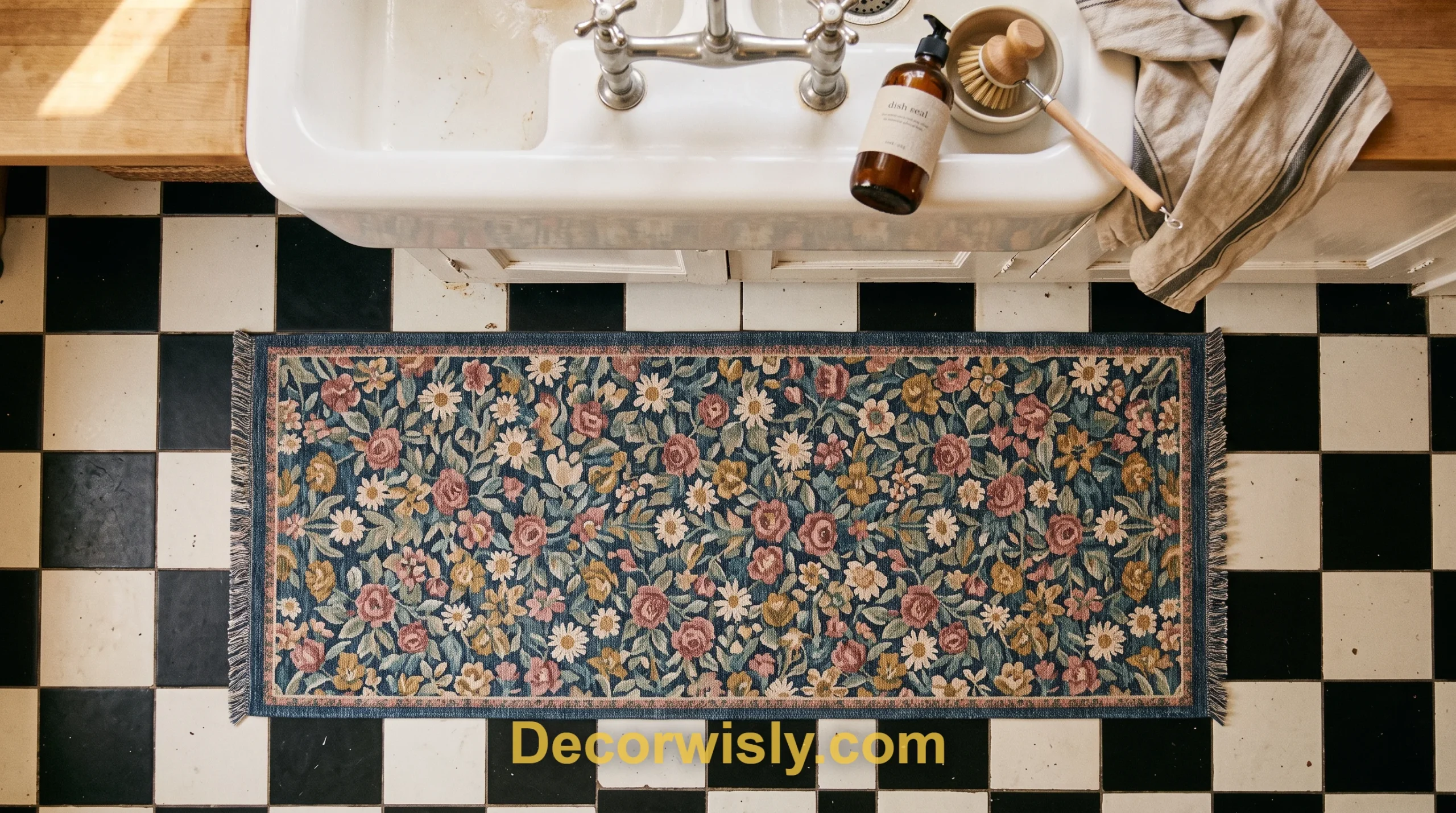
A floral or geometric runner in front of the sink or stove adds comfort underfoot and a hit of pattern at floor level. It’s an easy, renter-friendly way to soften a hard-tiled floor without any permanent changes.
21. Balance the Color With Natural Wood
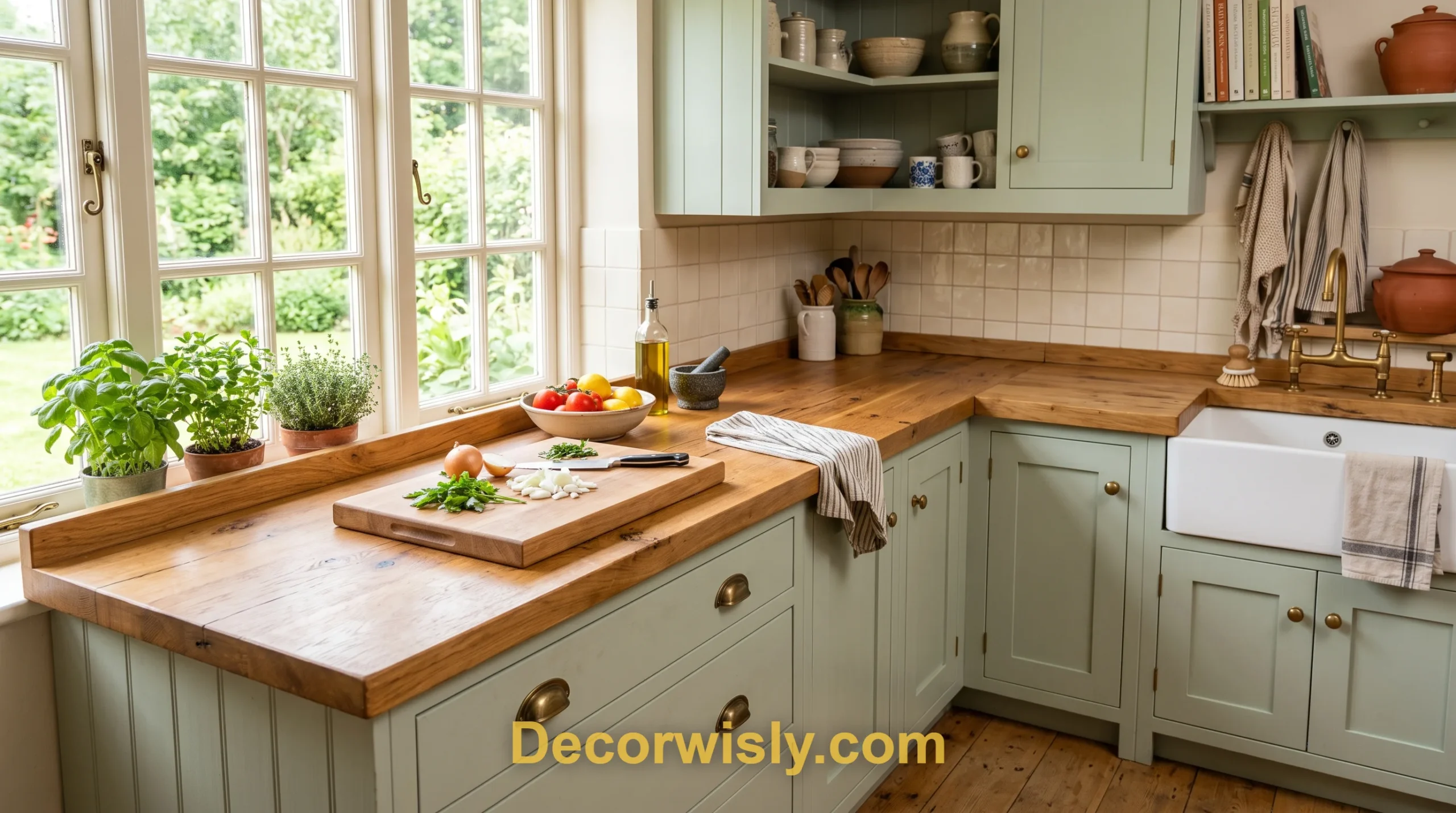
Too much pastel and chrome can start to feel like a movie set, so bring in a butcher-block counter, open wood shelving, or a farmhouse-style table to ground the room. The warmth of real wood keeps the space feeling comfortable rather than staged.
22. Finish With Iconic Decor Details
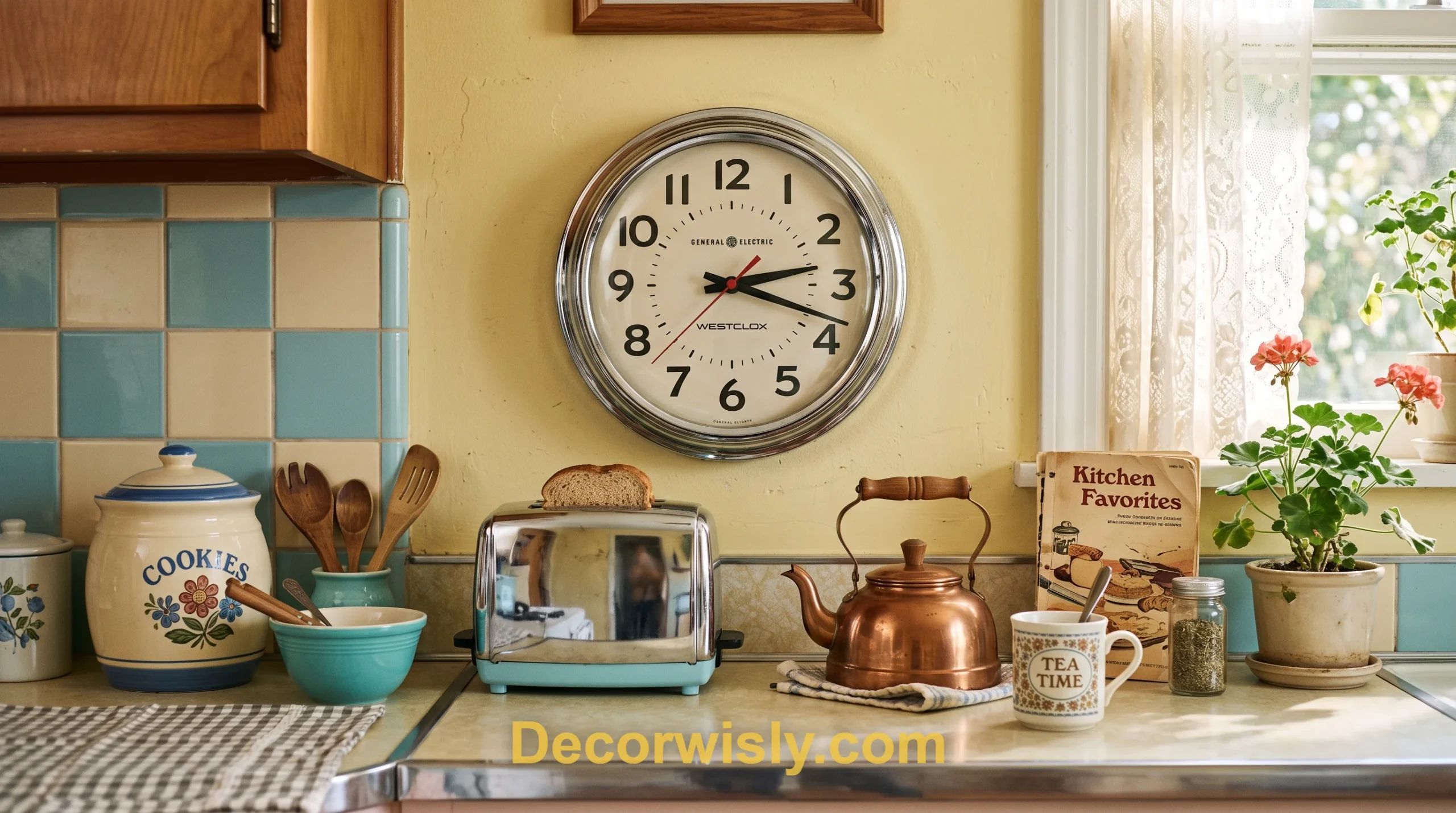
A round wall clock, a chrome-trimmed radio replica, or a framed print of a classic diner scene ties the whole look together. These final touches are what turn a well-designed kitchen into one that genuinely feels like a time capsule.
23. Try Atomic-Age Laminate Patterns

Beyond solid pastels, look for laminate and linoleum in boomerang, starburst, or atomic-molecule prints — the true design signature of the era’s space-race optimism. Used on a single countertop or as flooring in a breakfast nook, this pattern adds motion and energy without needing a single extra color in the room.
24. Collect Jadeite Glassware for Open Display
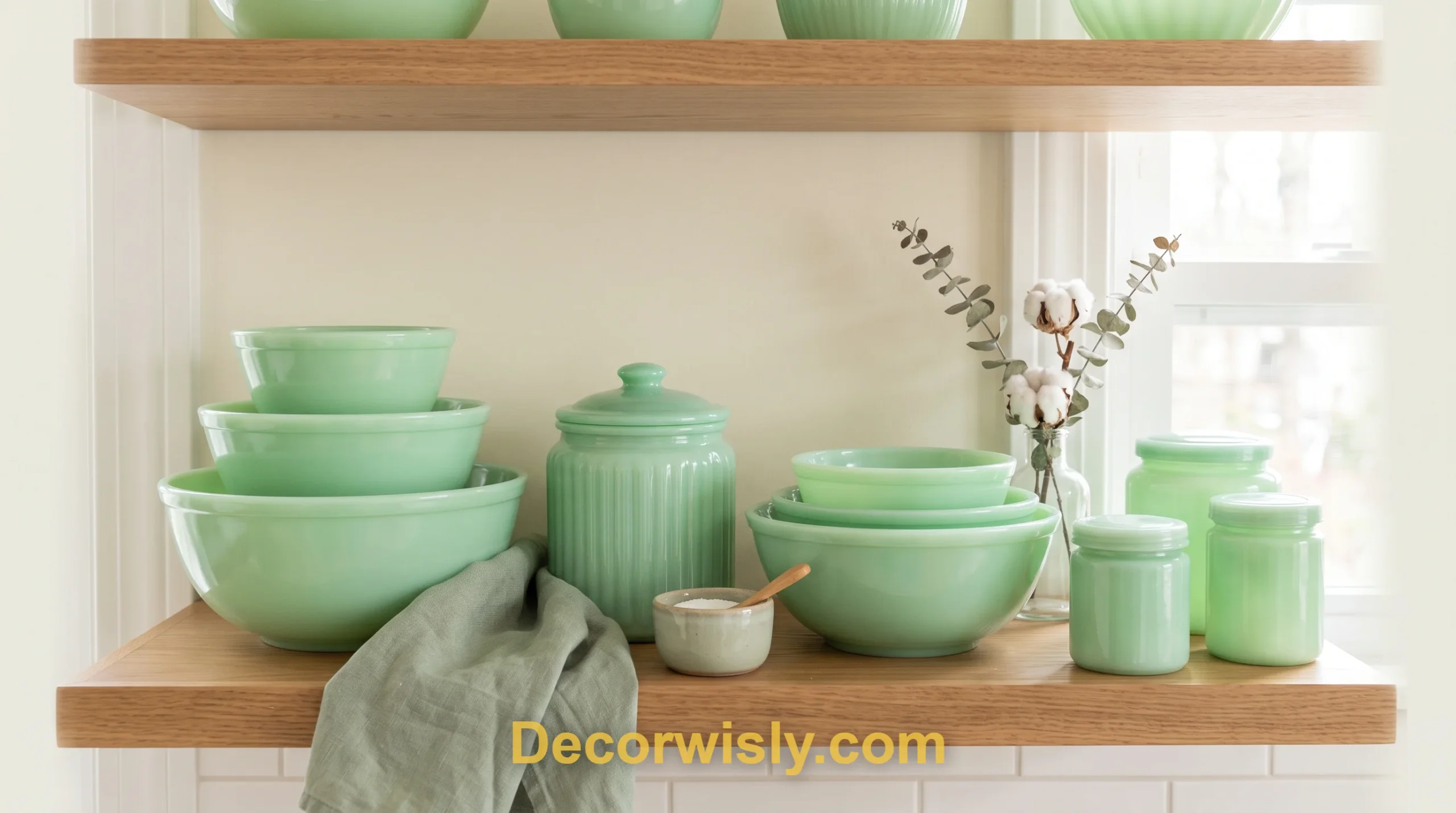
Jadeite’s soft milky-green glow was a kitchen staple in the 1950s, and a shelf of stacked bowls, mugs, and canisters still looks striking today. Group pieces by size on open shelving or inside a glass cabinet, and you’ve got an instant, low-cost styling moment that doubles as usable dinnerware.
25. Pull Up Chrome Diner Stools
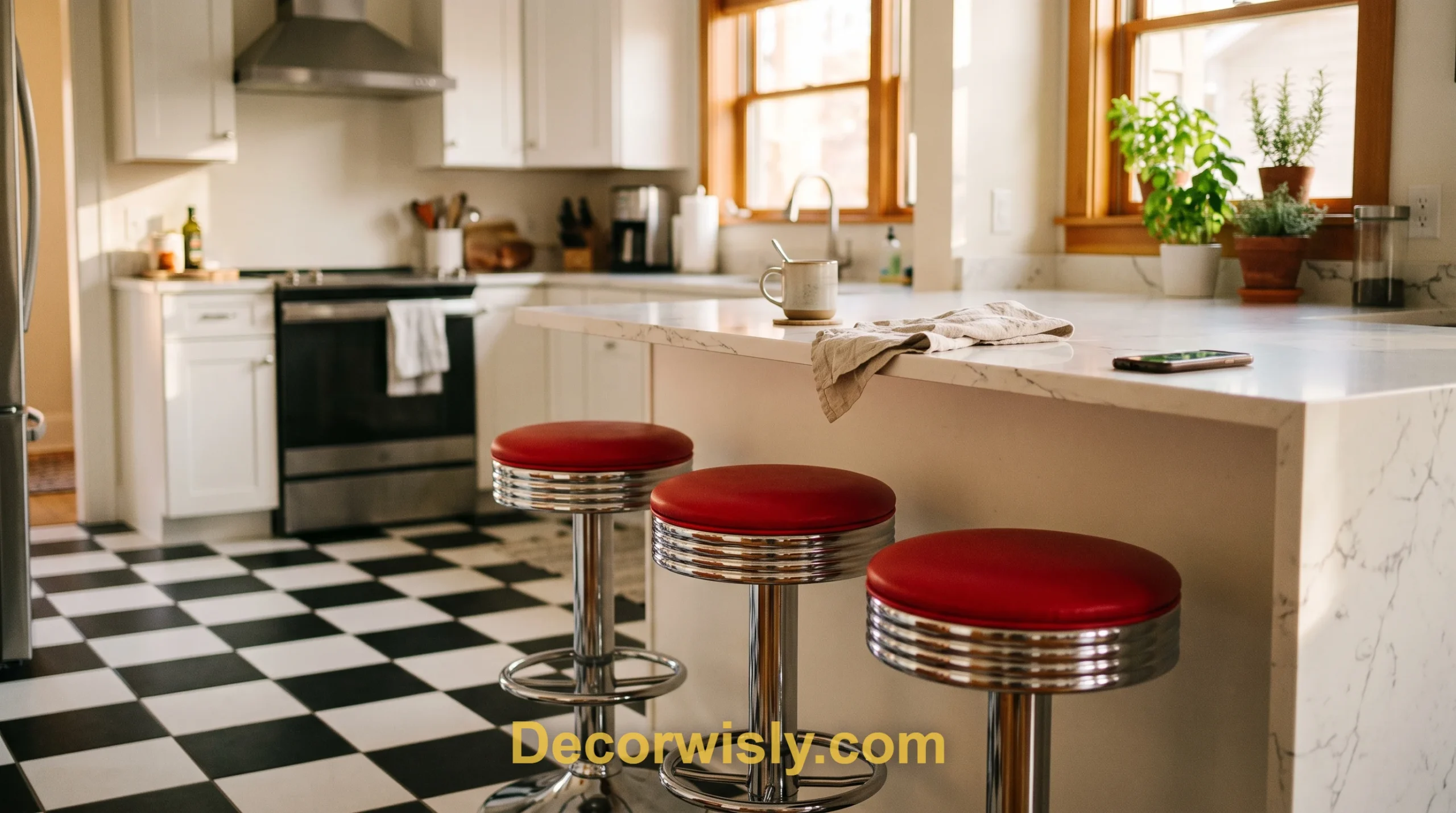
A row of chrome-legged stools with red or turquoise vinyl seats at the island or counter instantly channels soda-fountain energy. They’re compact, comfortable, and give guests a natural spot to perch while you cook — function and nostalgia in one easy piece of furniture.
Final Thoughts
A great 1950s-inspired kitchen isn’t about recreating a museum piece — it’s about borrowing the era’s best instincts: cheerful color, honest materials, and a layout built for real life. Mix a few strong statement pieces, like a retro fridge or a chrome light fixture, with quieter background choices like checkerboard flooring or Formica counters, and you’ll land on a space that feels collected rather than costumed. Pick two or three ideas from this list to start, and let the rest of the room fill in around them.