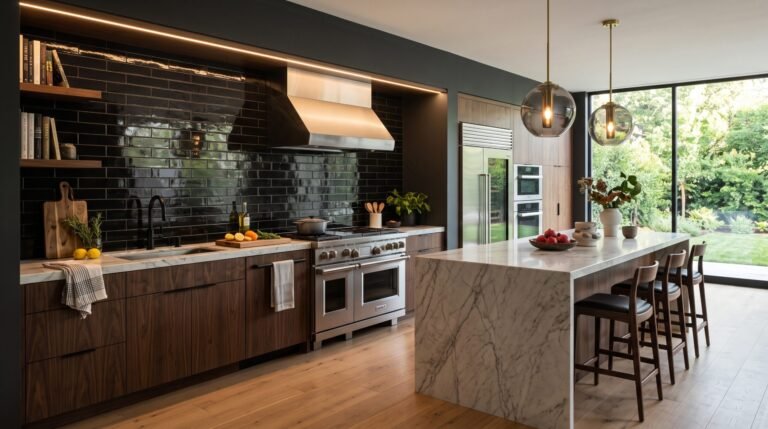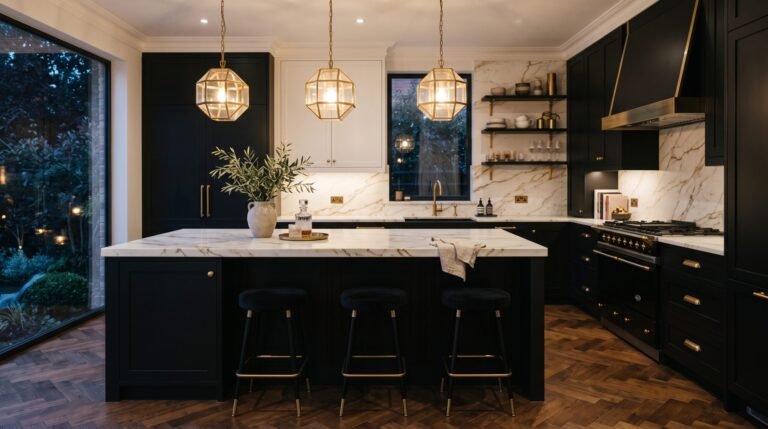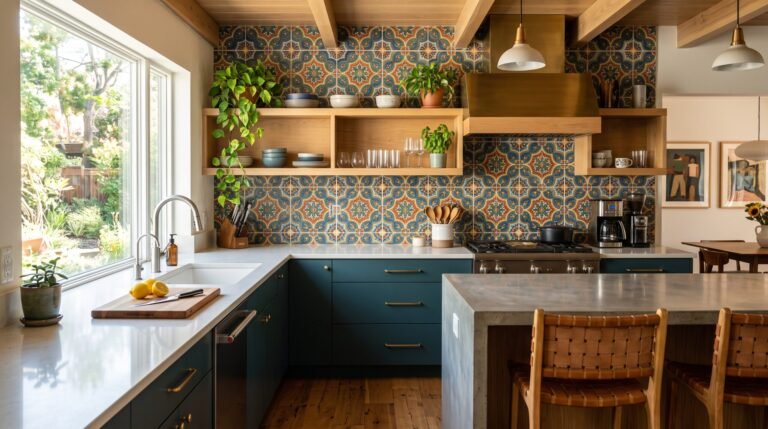
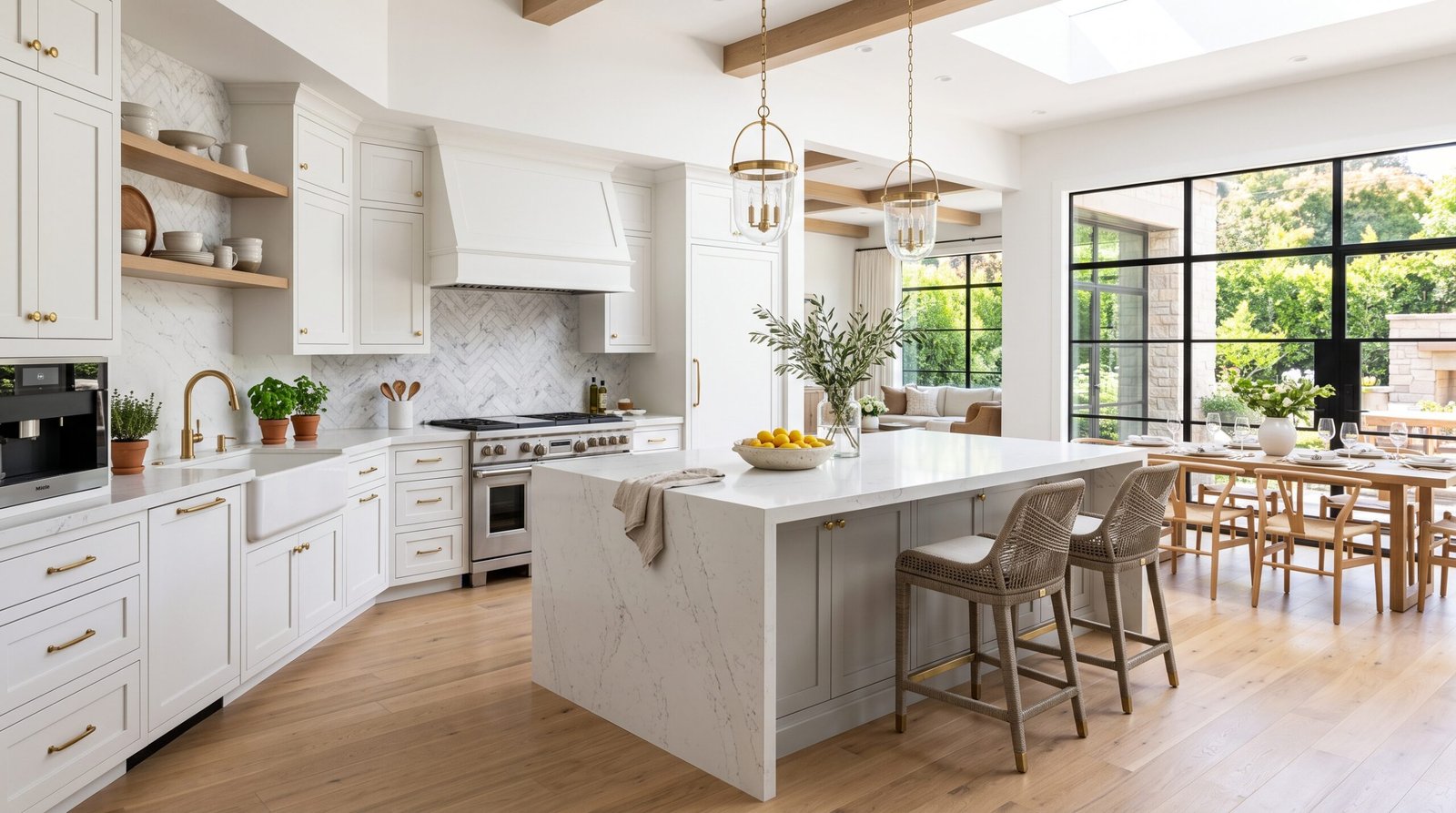
Quartz has become the default recommendation for kitchen countertops for a simple reason: it looks the part of natural stone while behaving like an engineered material built for daily life. Below are 25 angles worth considering before you commit to a slab, from the practical (heat tolerance, upkeep) to the purely visual (color, edge profile, finish). Use them to figure out not just whether quartz is right for your kitchen, but which version of it is.
1. Built to Handle Daily Wear
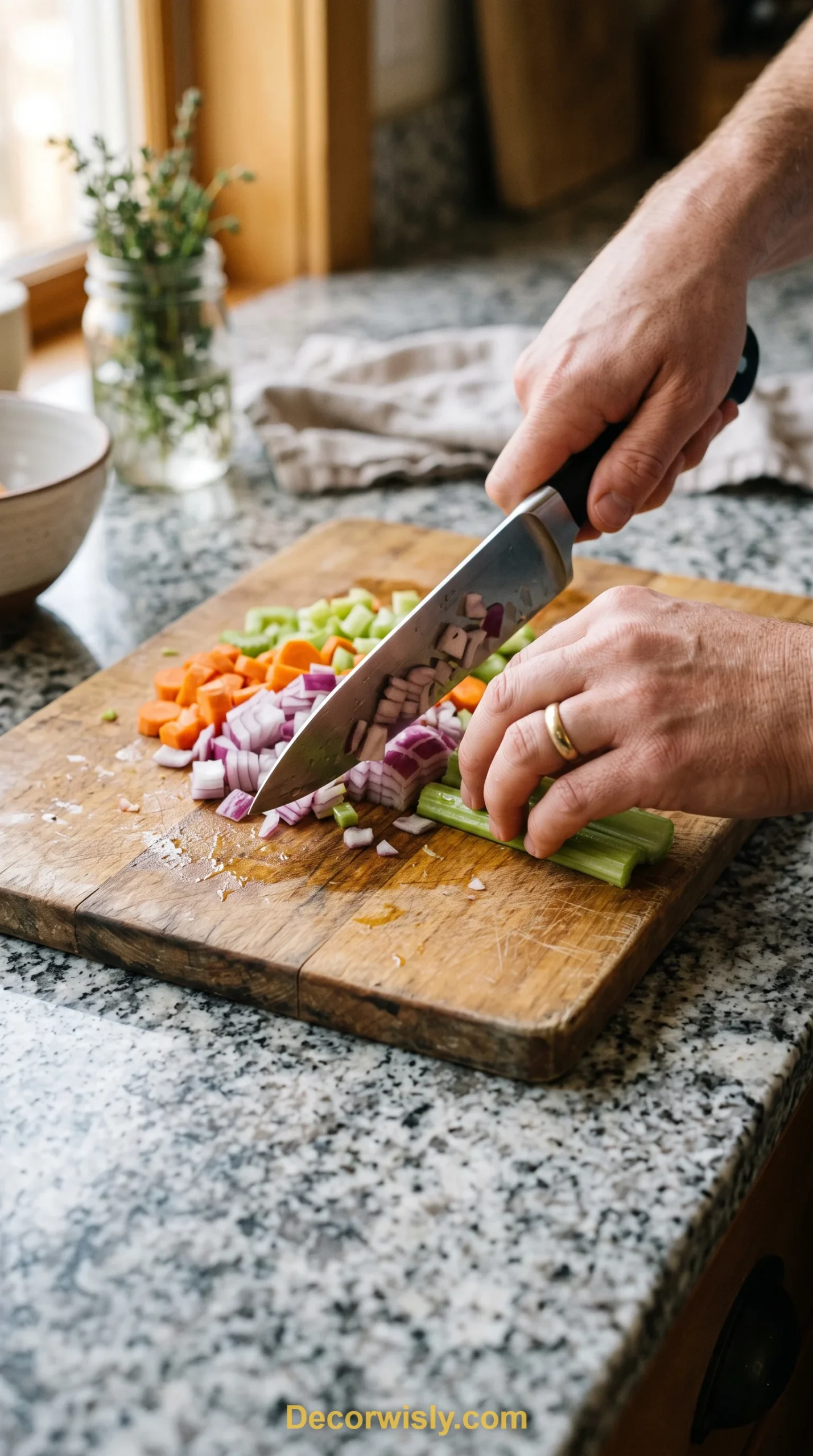
Engineered quartz is dense and non-porous by design, which means it shrugs off the chips, scratches, and general abuse that a busy kitchen dishes out. That density also makes it naturally resistant to bacteria, so it holds up as a genuinely sanitary prep surface, not just a good-looking one. For a kitchen in near-constant use, that combination of toughness and hygiene is the whole appeal.
2. A Polished Look for Modern Kitchens
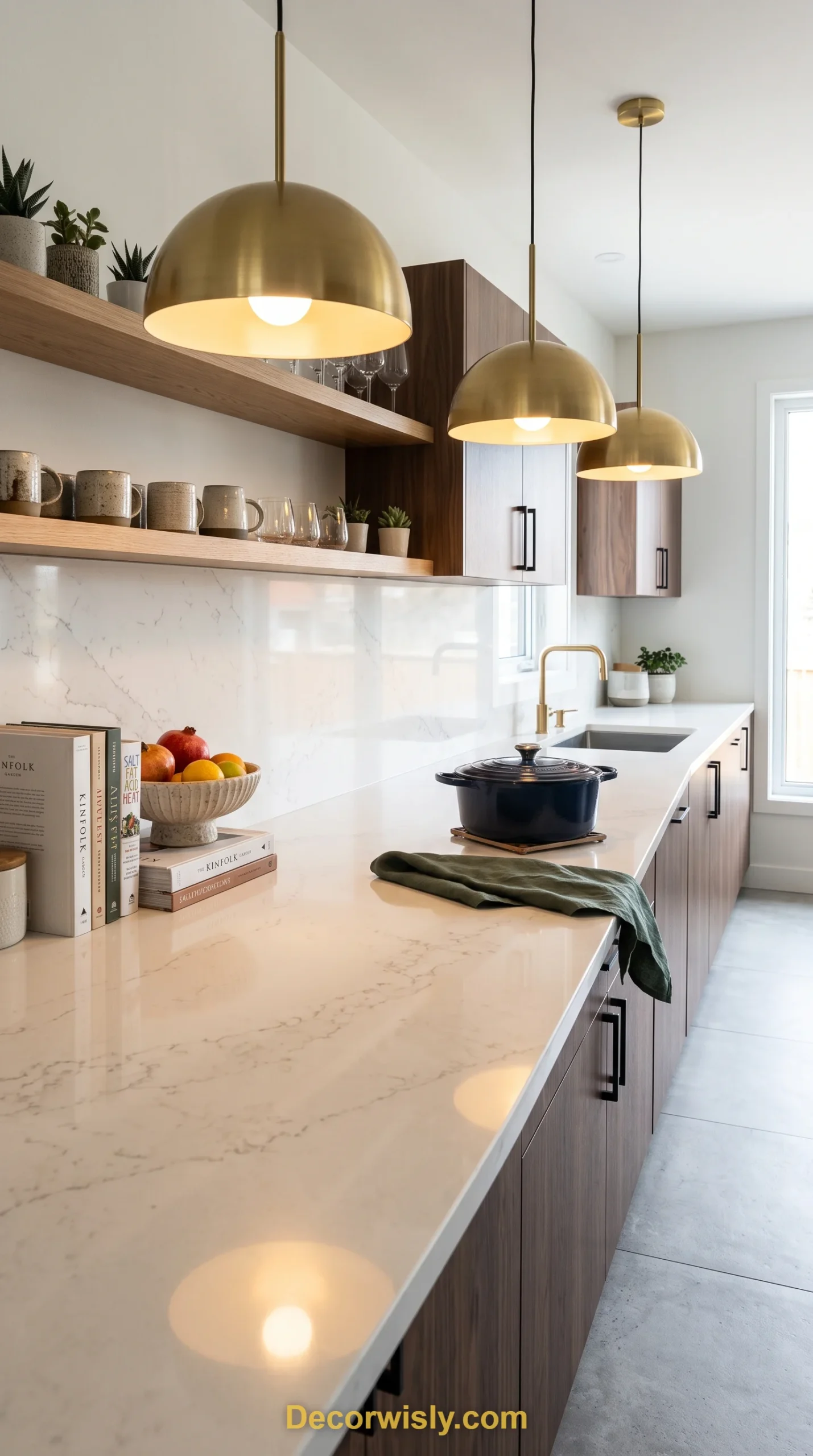
Under the right light, a quartz slab reads almost like natural stone — soft veining, subtle depth, a polished sheen that photographs beautifully. It slots easily into a contemporary kitchen without demanding much else from the room, which is part of why designers reach for it so often when a space needs one dependable, elegant surface to build around.
3. Low-Effort Upkeep
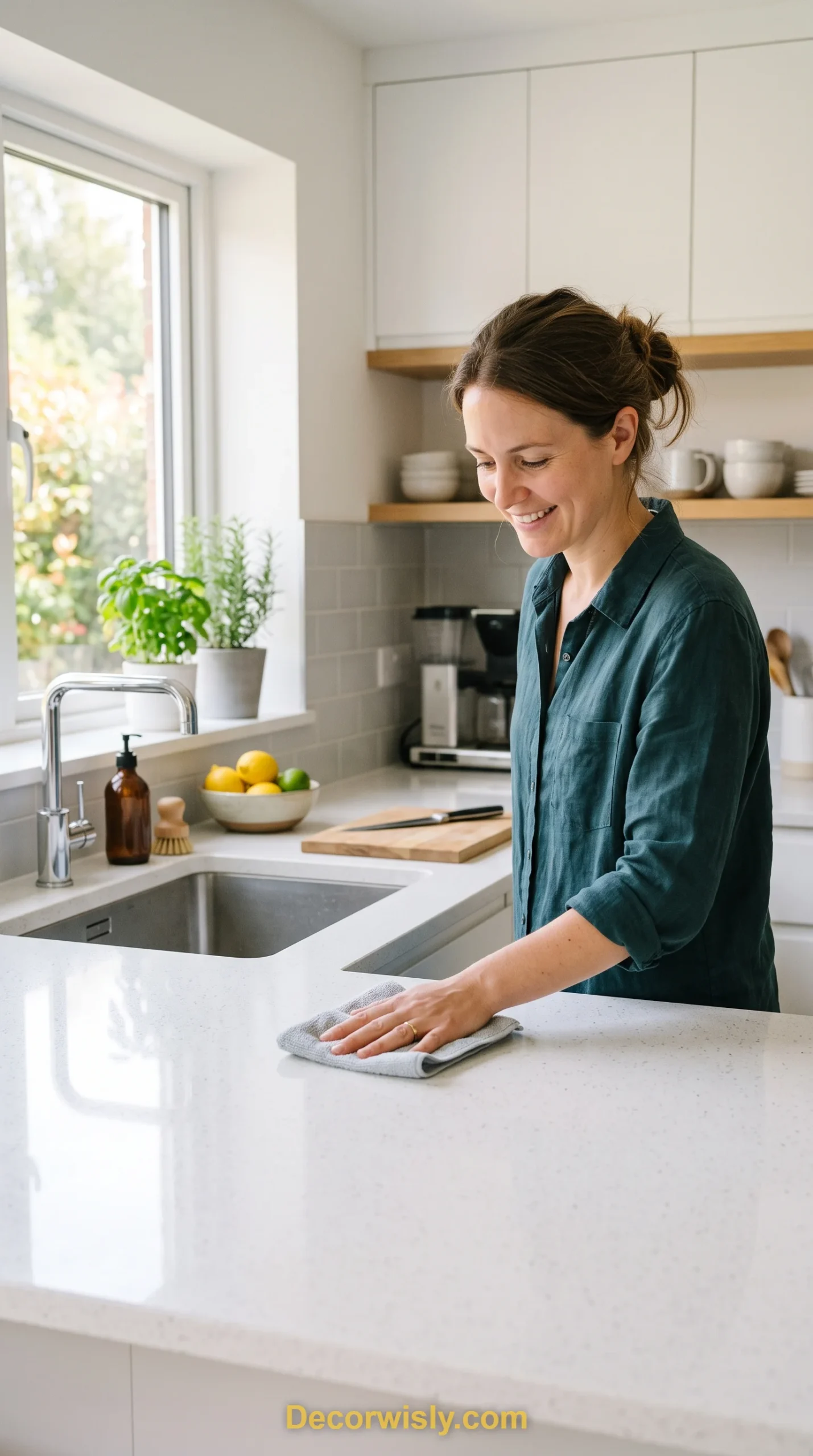
Because the surface is sealed and non-porous, spills wipe away without staining, and there’s no annual resealing to remember. That’s a meaningful difference from natural stone, which needs more careful, ongoing care. For anyone who wants a kitchen that looks good without a maintenance routine attached to it, this is where quartz earns its keep.
4. Colors and Patterns for Every Palette
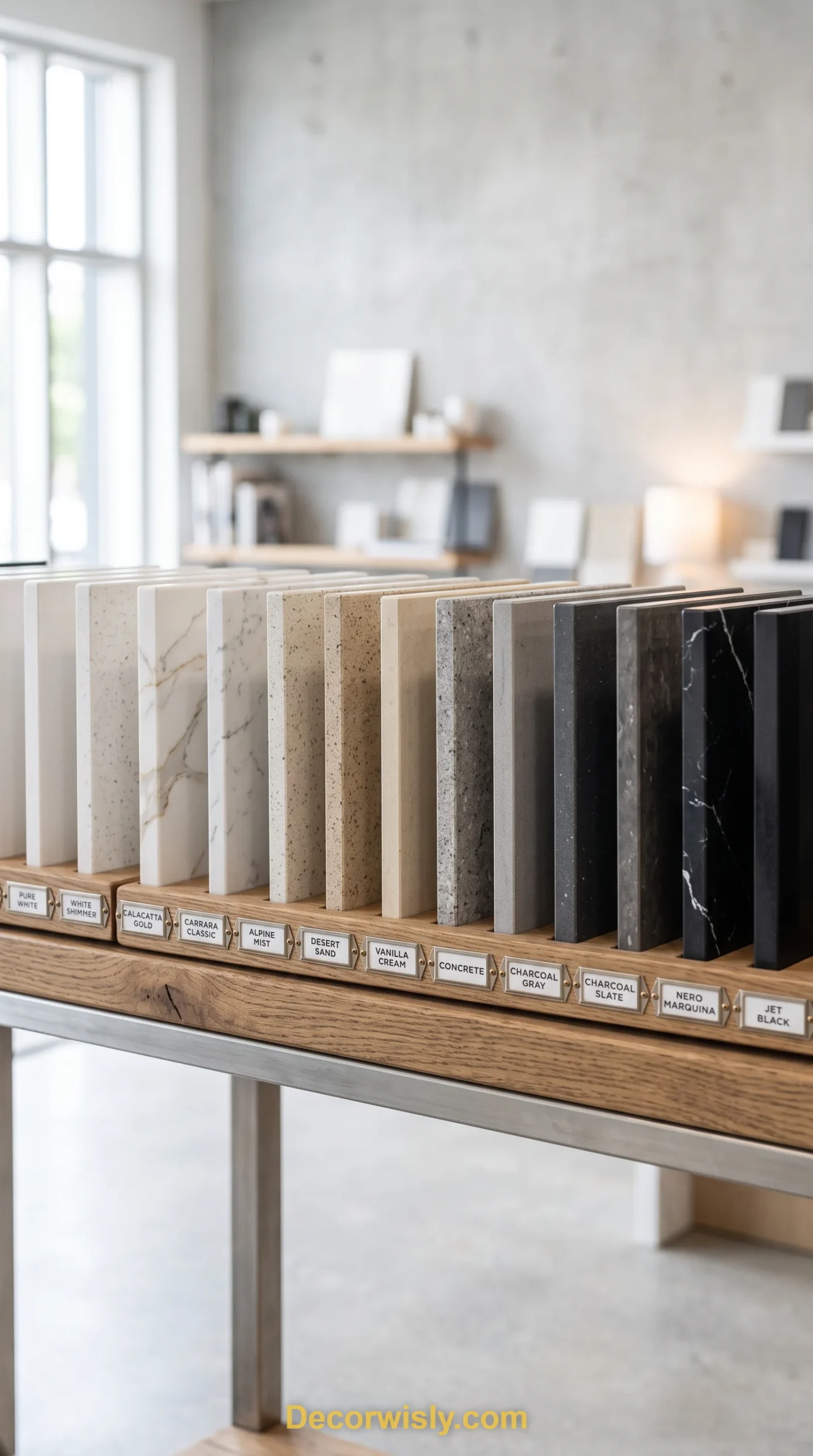
Because quartz is engineered rather than quarried, the color range runs far beyond what nature offers — soft neutrals, deep charcoals, warm creams, even bold statement hues. That range makes it easy to match a countertop to cabinetry, flooring, or a backsplash you’ve already picked out, rather than building the whole kitchen around whatever slab happened to be in stock.
5. A Smart Investment Over Time
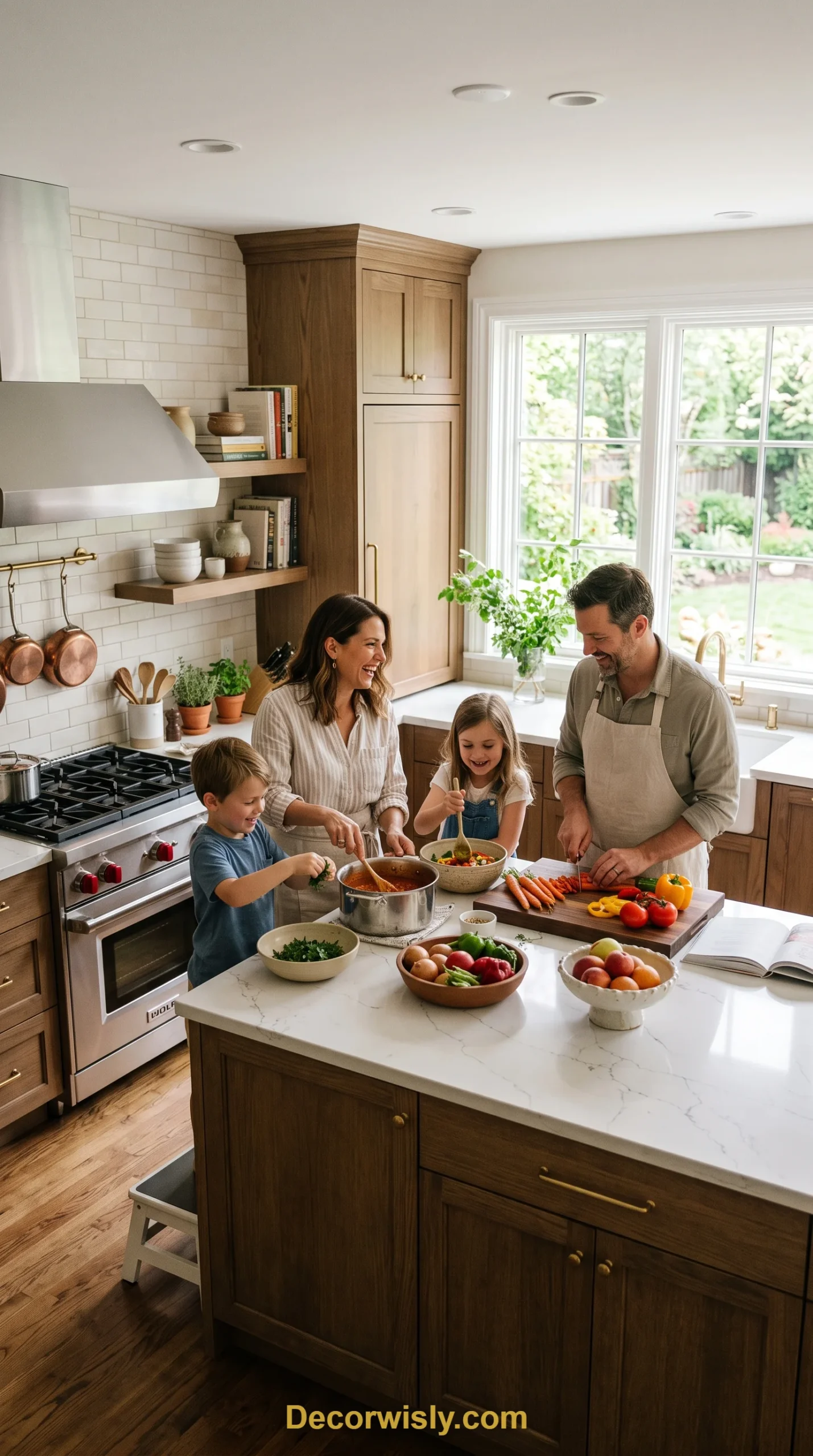
The upfront cost of quartz sits above laminate but competes closely with granite, and the math tends to favor it over the years — fewer repairs, no resealing, and a surface that still looks new after a decade of daily use. Homeowners planning to stay put tend to see it less as an expense and more as a one-time decision they don’t have to revisit.
6. A More Sustainable Stone Option
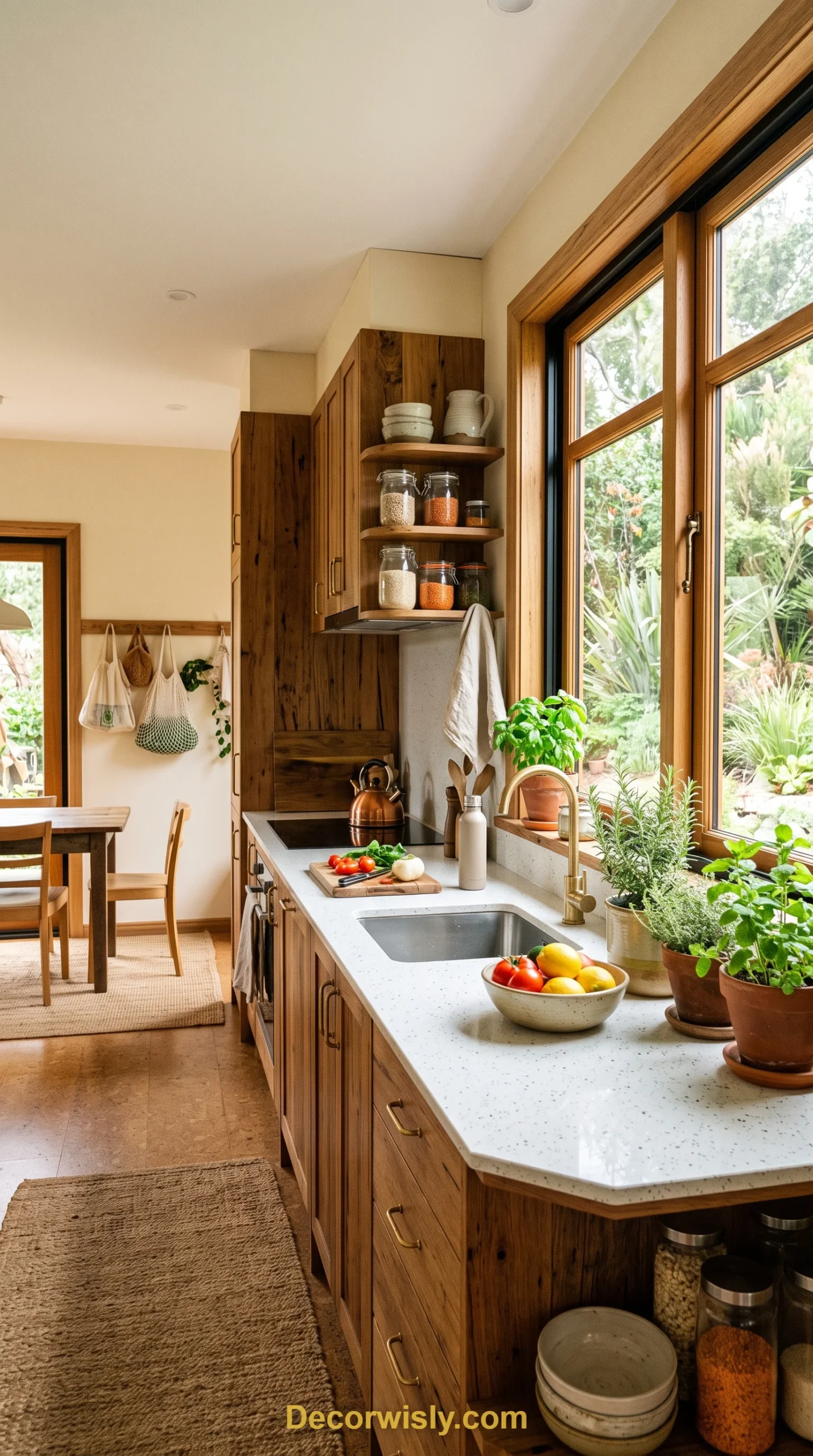
Modern quartz manufacturing increasingly uses recycled content and generates less waste than quarrying natural stone. Combined with a lifespan that outlasts most kitchen renovations, that makes it one of the more environmentally sensible choices among countertop materials, without asking homeowners to compromise on appearance.
7. Room to Customize the Finish
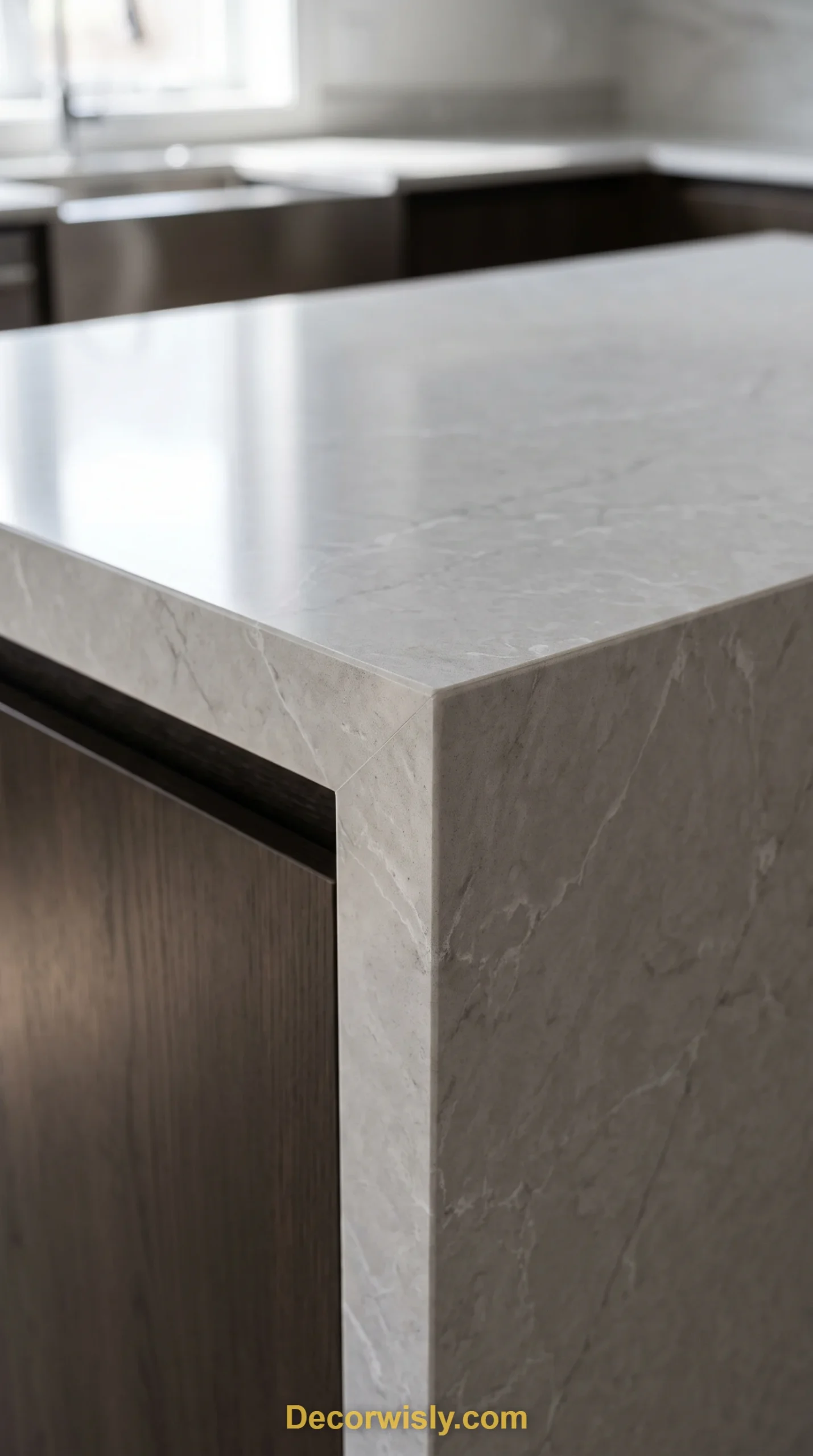
Beyond color, quartz can be finished polished, honed, or textured, and edged in dozens of profiles — from a simple eased edge to a dramatic mitred waterfall. That range of choices means two quartz kitchens rarely look alike, even when they’re built from the same base material.
8. Genuinely Scratch and Stain Resistant
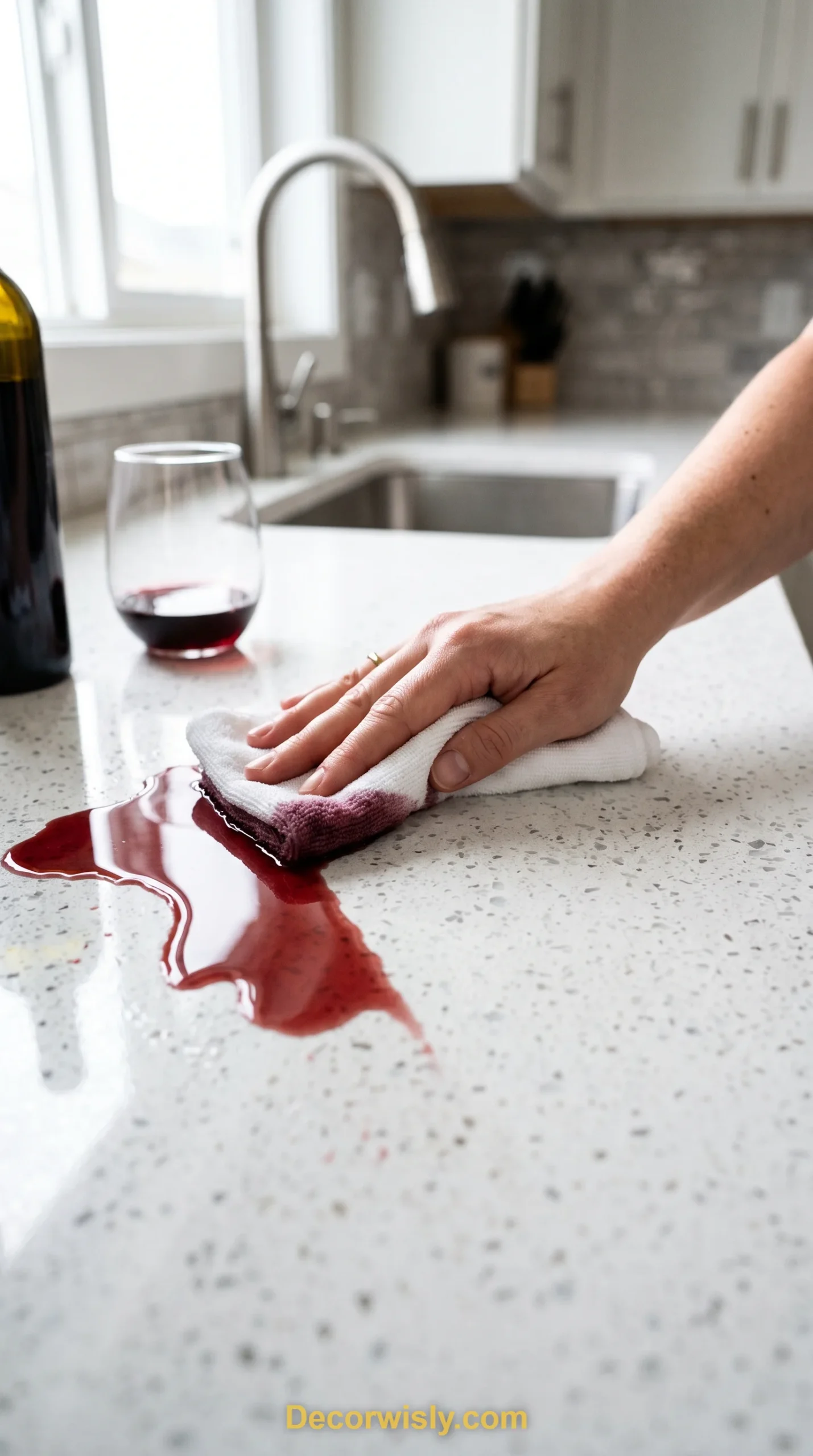
Everyday kitchen hazards — a dropped knife, a splash of red wine, a hot pan set down without thinking — tend to leave quartz unbothered. The engineered surface resists both physical marks and staining far better than most natural stone, which is a big part of why it holds its finish so well over years of real use.
9. Solid Heat Tolerance for Cooking
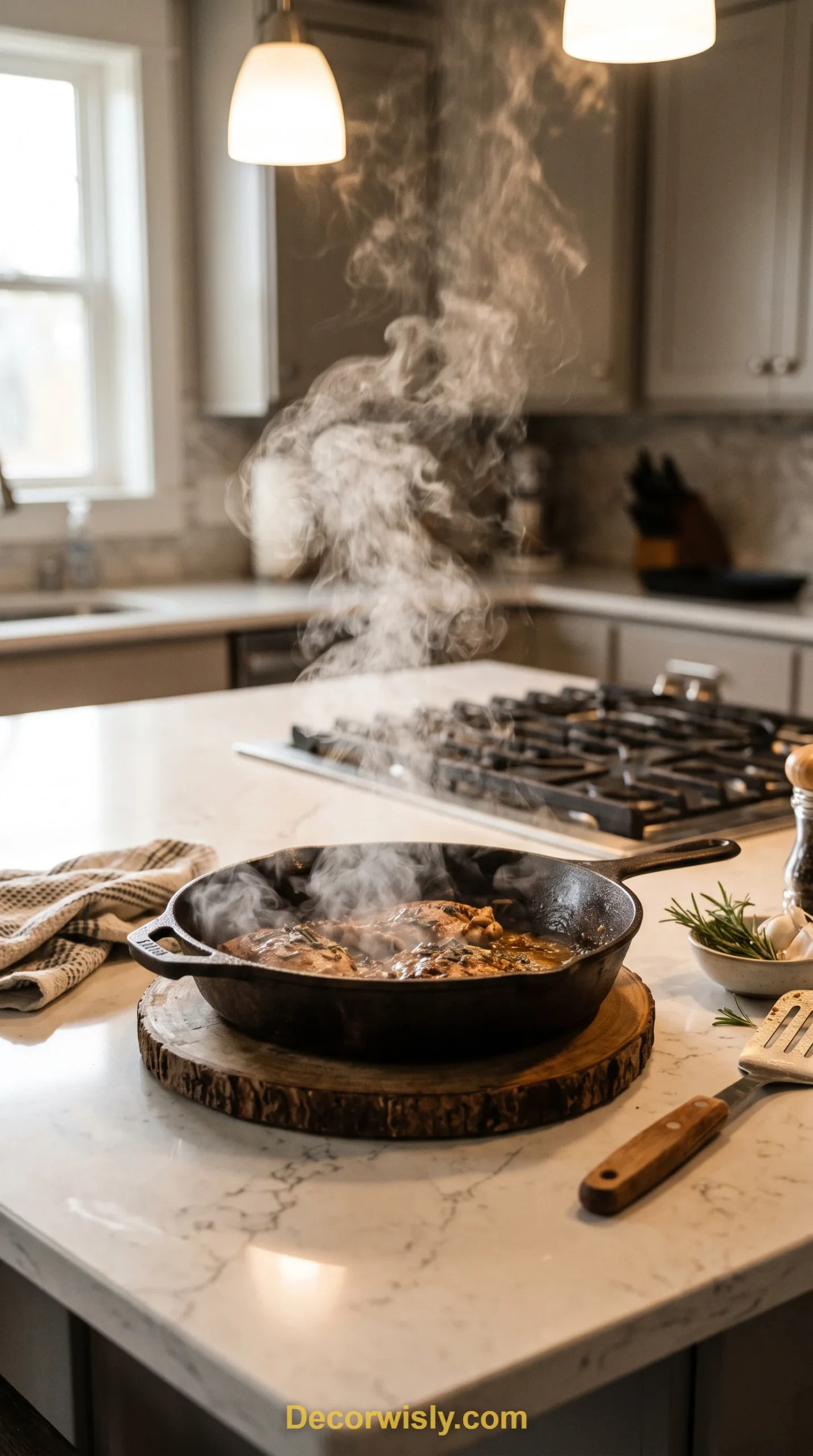
Quartz handles brief contact with warm cookware better than most engineered surfaces, though a trivet is still the safer habit for anything straight off the stove. For kitchens where pots and pans are constantly moving, that added buffer against heat damage is a quiet but real advantage.
10. A Precise, Professional Installation
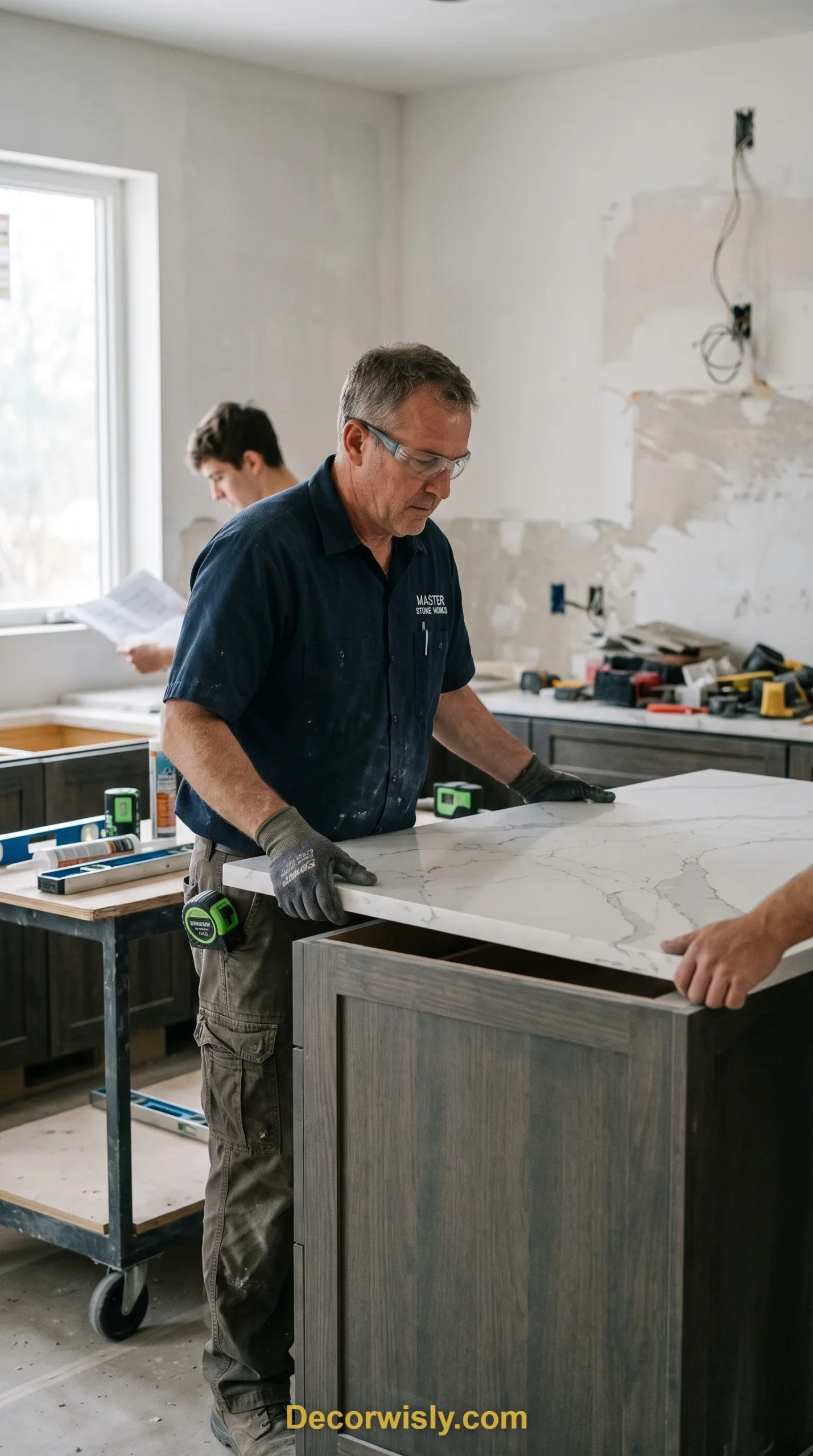
A good fabricator templates the space exactly and cuts each slab to fit tight seams and clean edges against existing cabinetry. That precision is part of what makes a finished quartz counter look custom-built rather than simply dropped into place, and it’s worth choosing an installer on craftsmanship as much as price.
11. A Genuinely Hygienic Surface
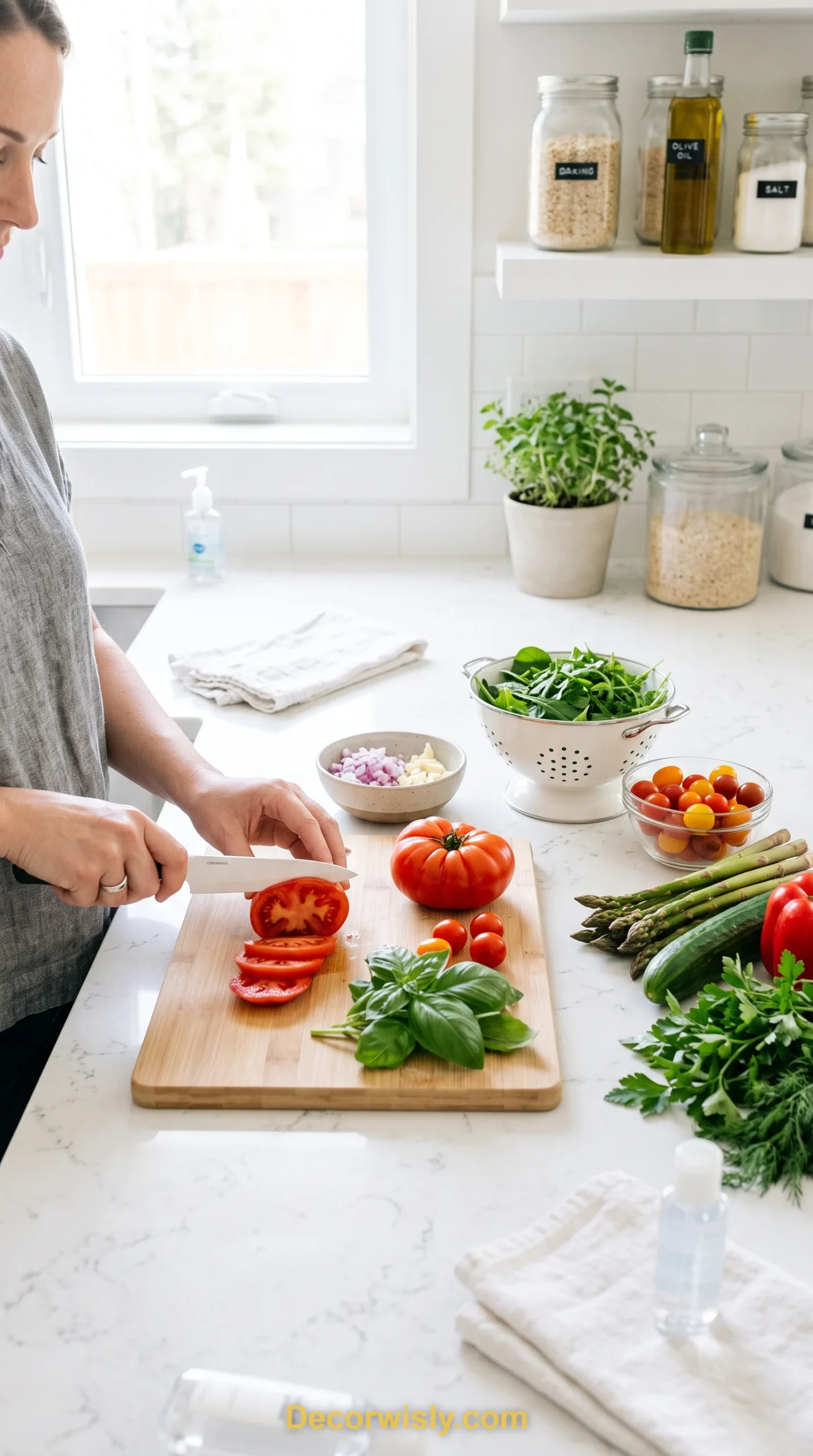
Because liquids and bacteria can’t soak into the material, quartz stays easier to keep truly clean than porous stone alternatives. That matters most in a food-prep zone, where a sealed, wipeable surface reduces the odds of cross-contamination without extra effort.
12. A Boost to Resale Value
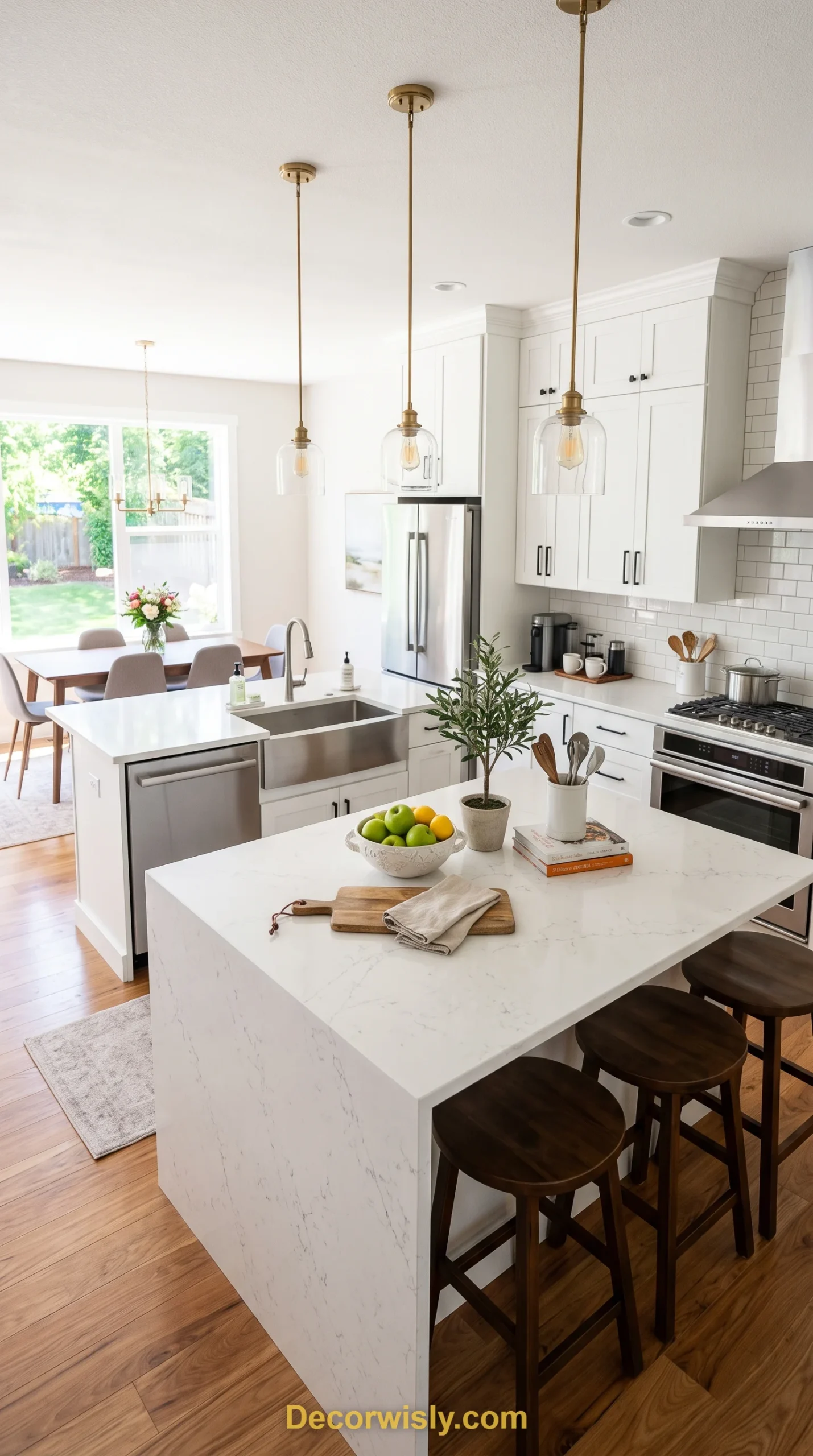
Buyers touring a home tend to register quartz countertops as a sign the kitchen has been properly updated, which can translate into a real edge at resale. It’s one of the few renovation choices that pays off both in daily use and in how the home shows on the market.
13. Flexible Enough for Any Kitchen Style
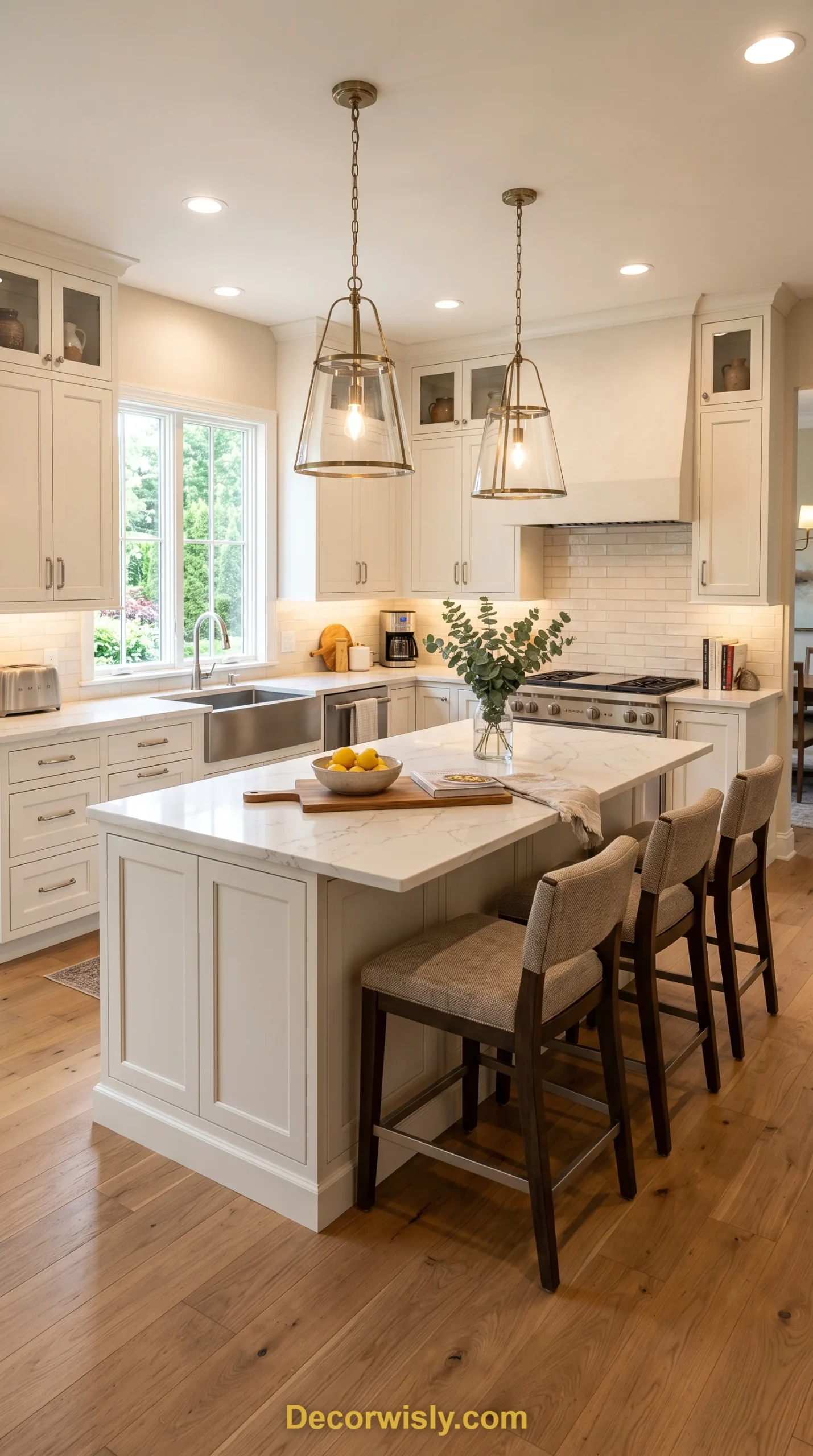
Whether the rest of the kitchen leans traditional, transitional, or fully modern, there’s a quartz color and edge combination that fits. That flexibility means the countertop rarely dictates the design direction — it adapts to whatever direction you’ve already chosen.
14. Color That Doesn’t Fade
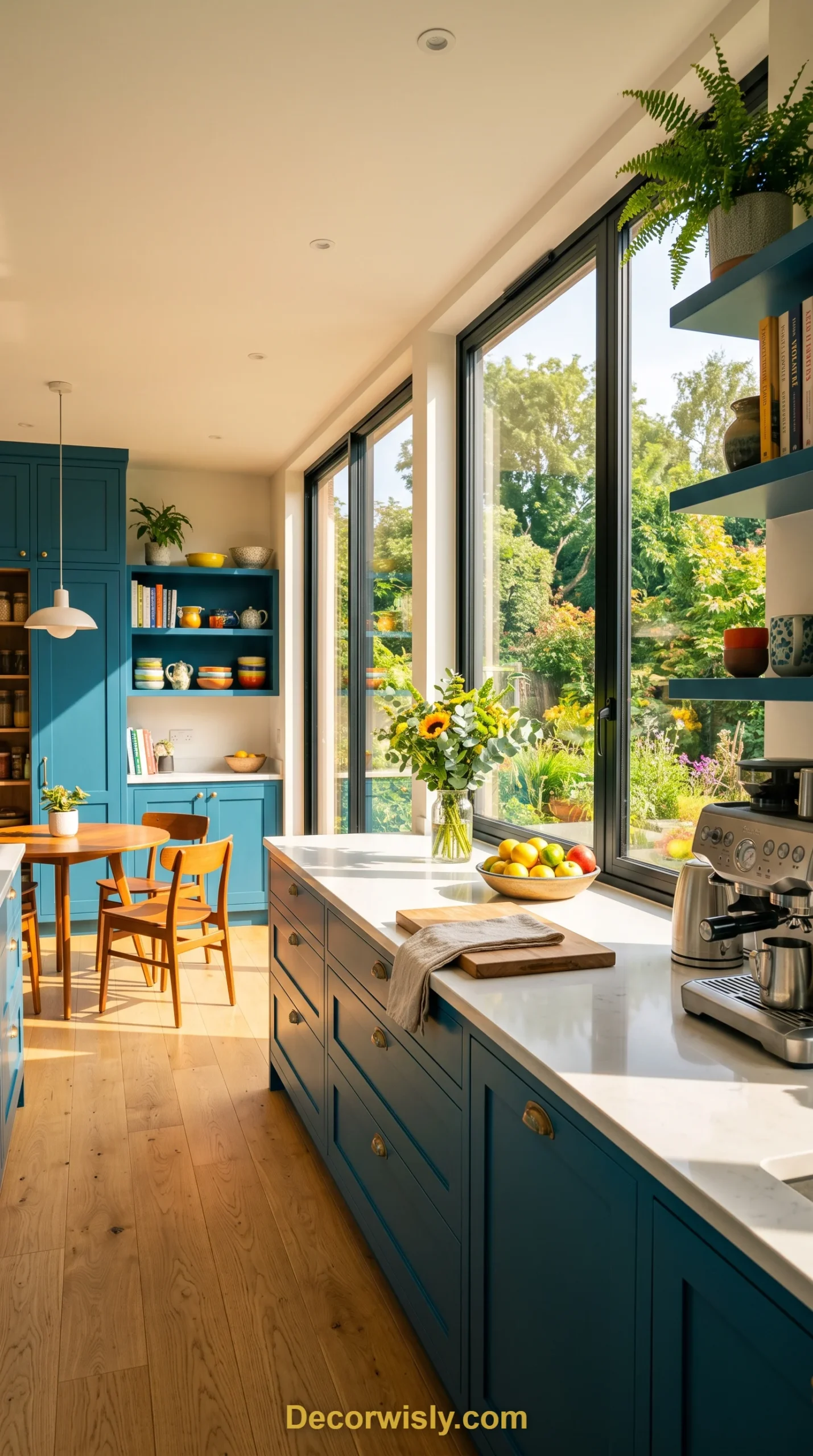
Quartz is engineered with UV-resistant pigments, so a slab positioned near a sunny window keeps its original color instead of yellowing or fading the way some materials do over years of light exposure. It’s a small detail, but one that protects the investment long after installation day.
15. Precision Manufacturing Behind the Scenes
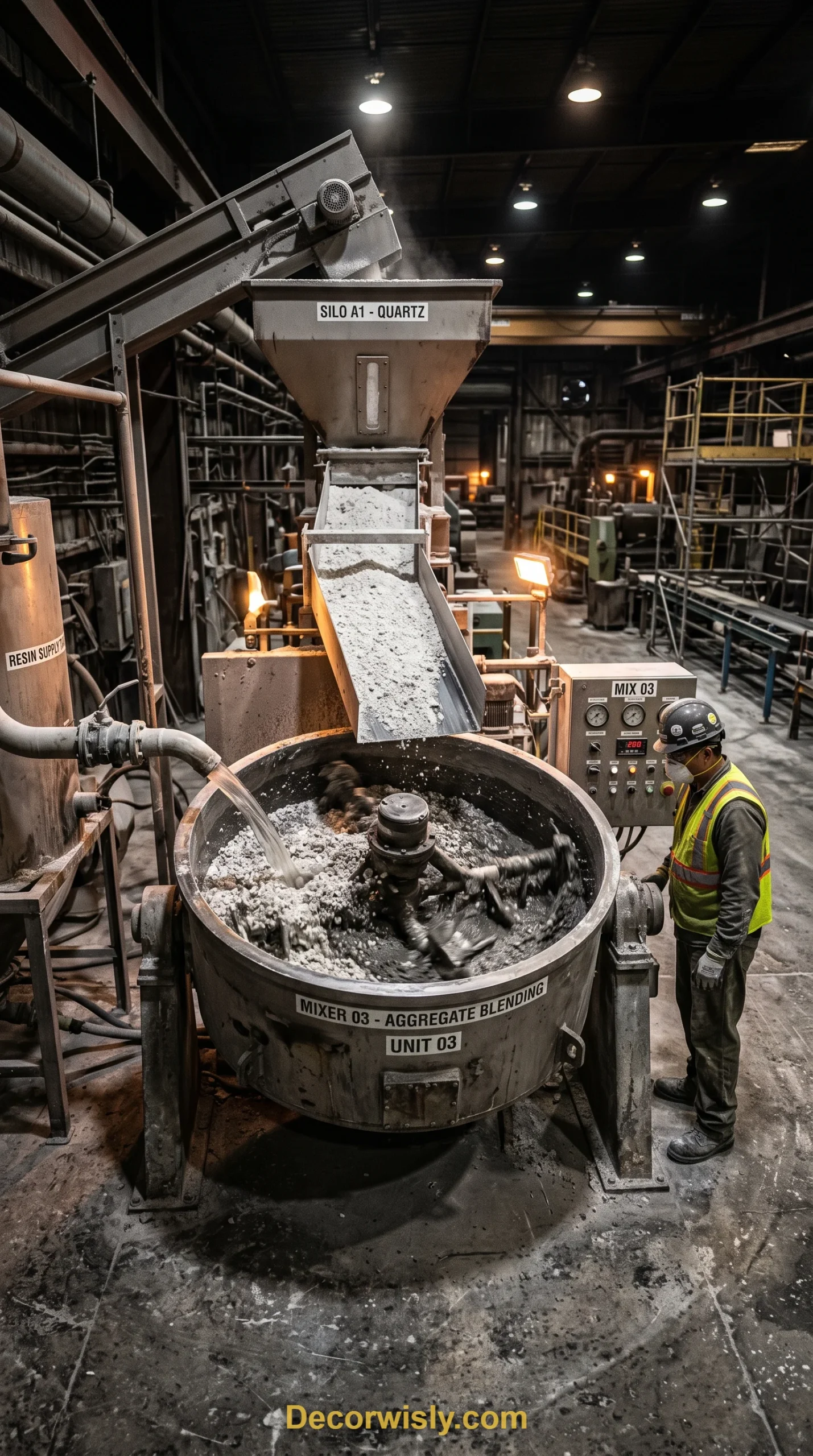
Each slab is produced by blending crushed natural quartz with resins under controlled conditions, which is what gives the material its consistency from one edge of the slab to the other. That manufacturing process is also why pattern and color stay uniform across an entire kitchen, even when the countertop wraps a large island.
16. A Consistently High-End Finish
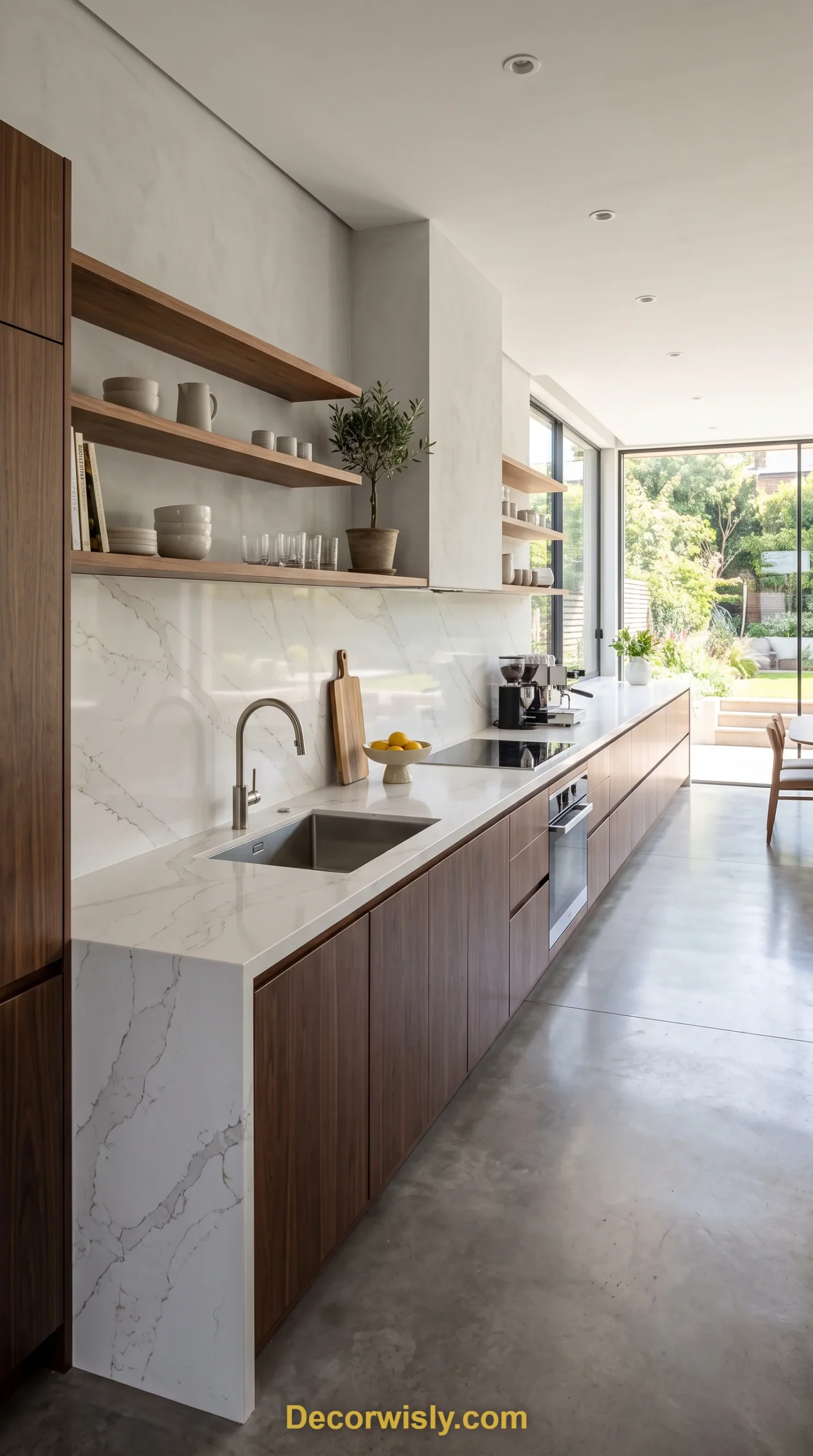
Because the production process is controlled rather than left to natural variation, every quartz slab from a given batch matches closely in color and pattern. That consistency is what makes large islands and long runs of countertop look seamless rather than pieced together.
17. Where Function Meets Design

Few countertop materials manage to be this practical and this good-looking at the same time. Quartz holds up to real cooking while still reading as a design statement, which is exactly the balance most kitchen renovations are chasing.
18. Reliable Long-Term Performance
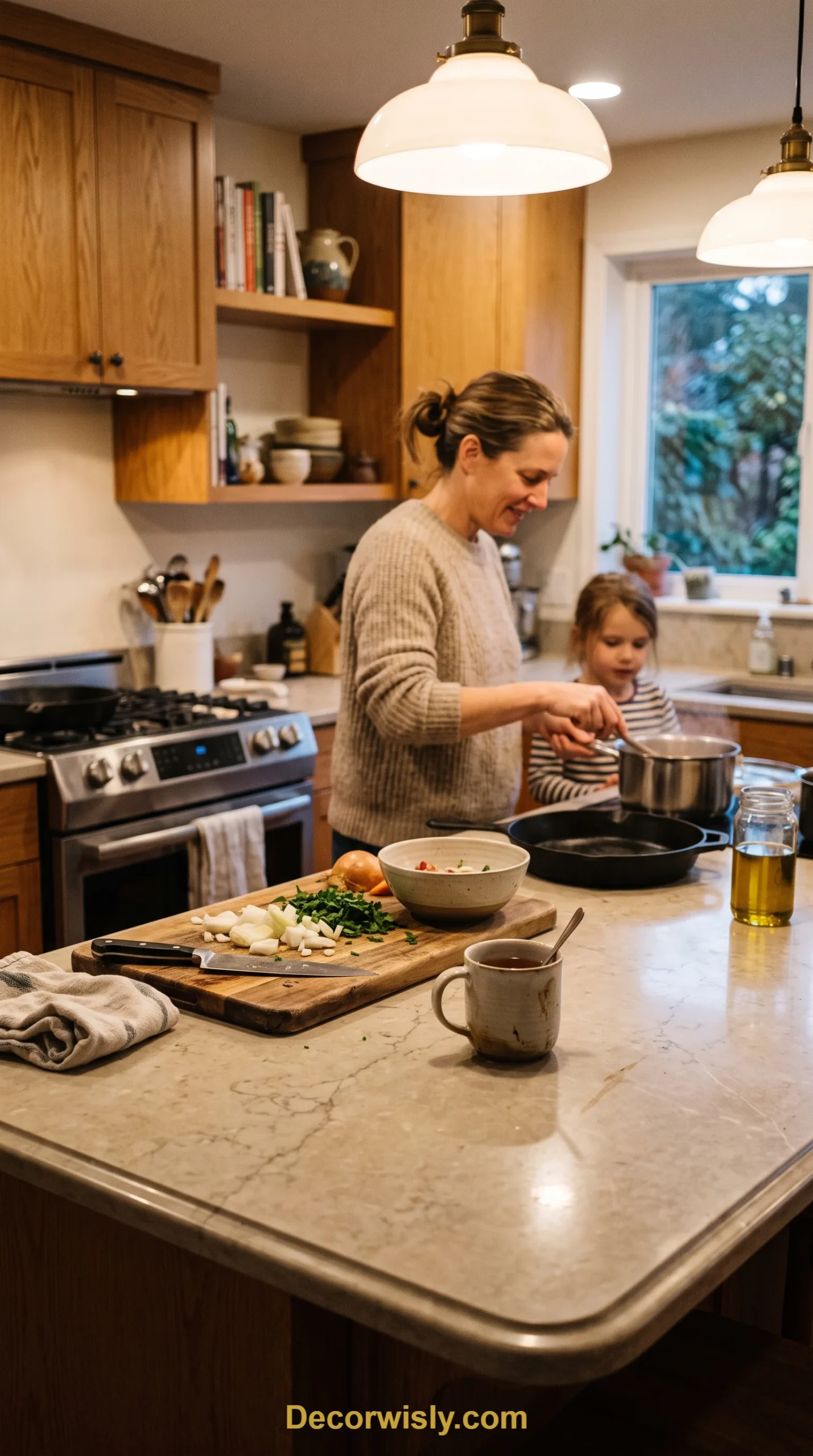
A decade in, a well-installed quartz countertop typically still looks close to day one — no dulling, no chipped edges, no need for refinishing. That kind of long-term reliability is what lets homeowners treat it as a permanent fixture rather than something to plan around replacing.
19. Built With Food Safety in Mind
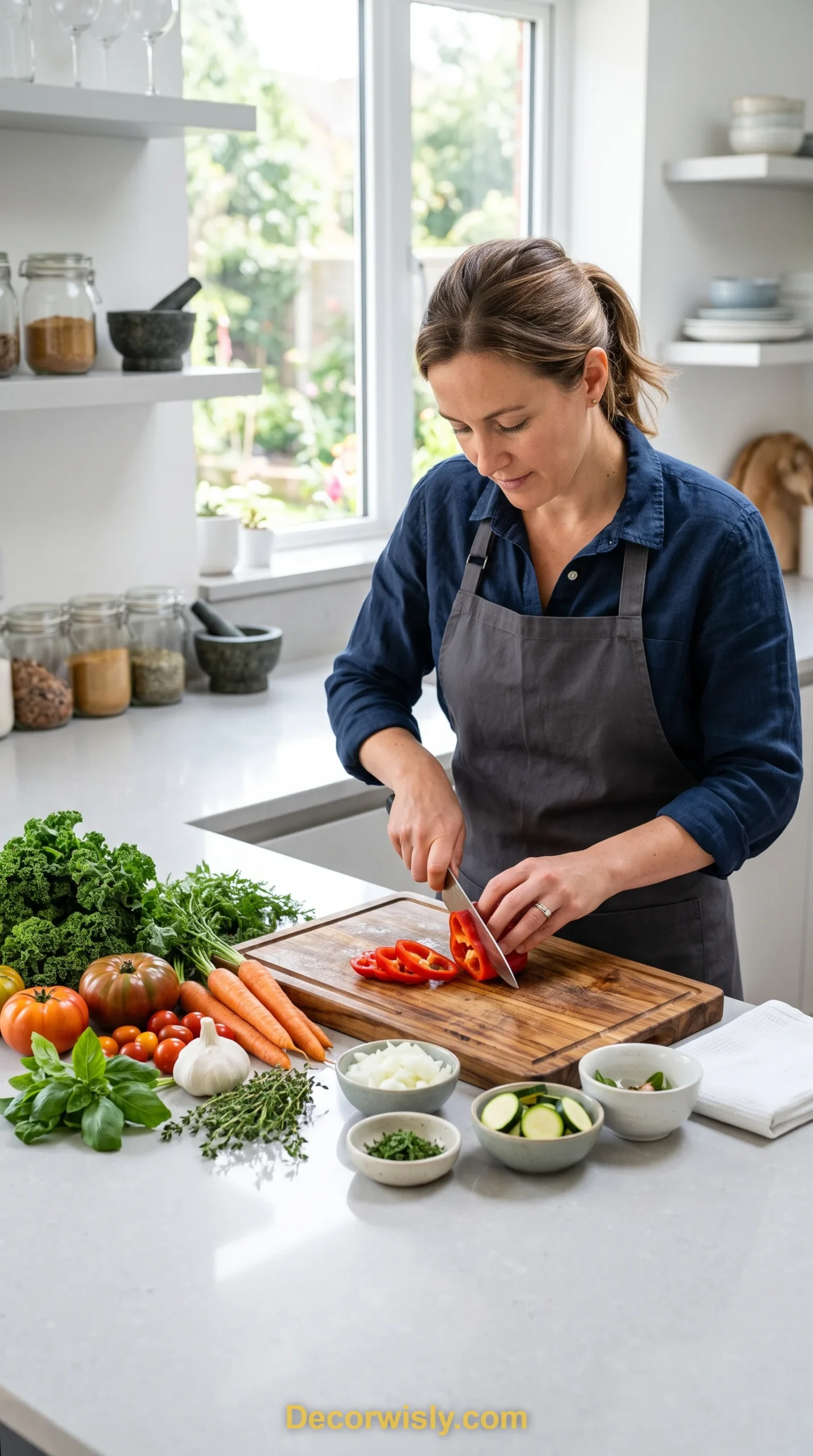
The same non-porous quality that resists stains also limits bacterial growth, which is a meaningful detail on a surface where raw ingredients get prepped every day. It’s a practical health benefit that sits quietly underneath the material’s aesthetic appeal.
20. Minor Damage Is Rarely a Big Deal
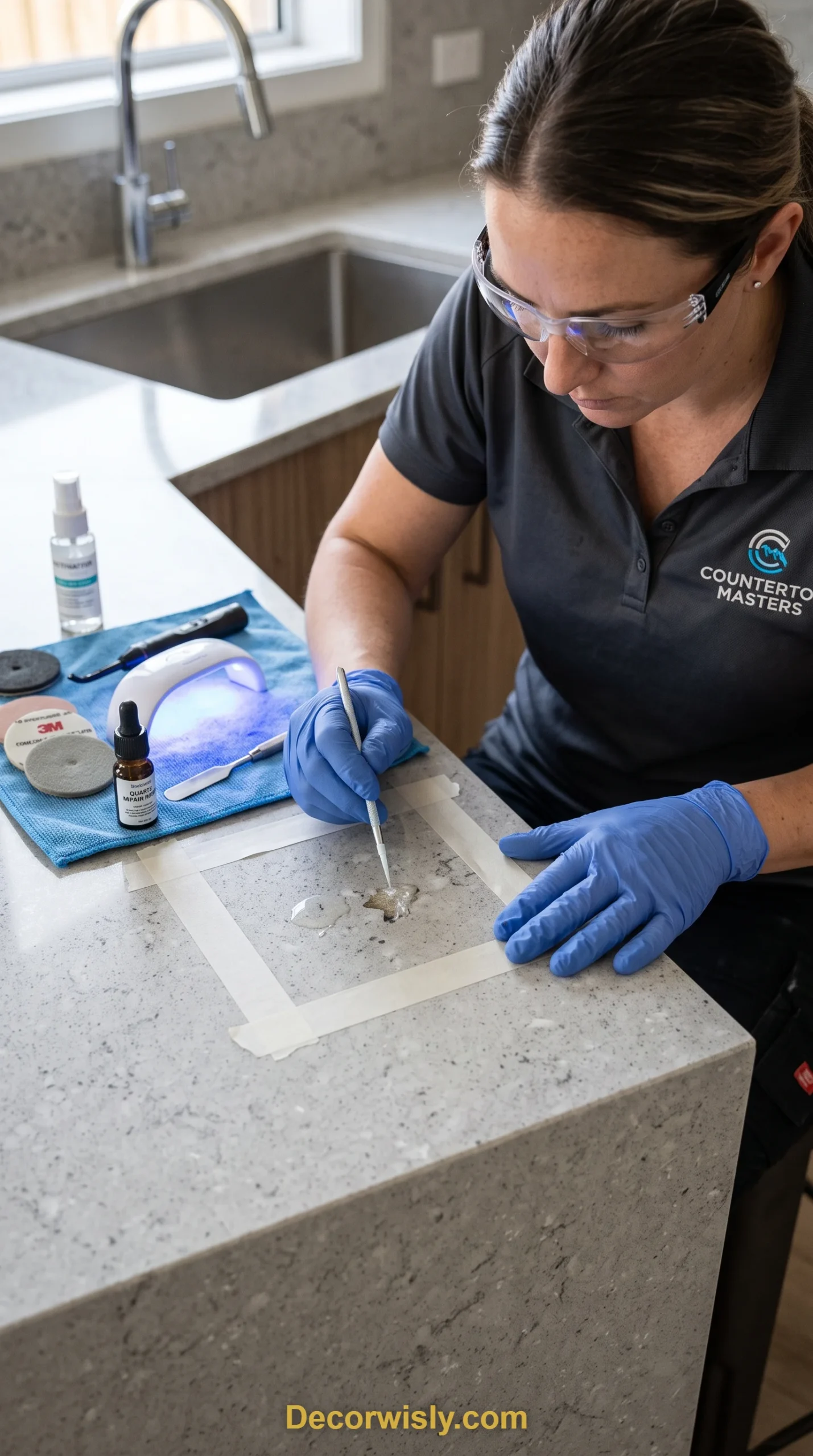
Small scratches or chips can typically be buffed out or repaired without replacing the whole slab, which keeps long-term costs down and avoids the disruption of a full re-installation. It’s a forgiving material for a room that sees this much daily activity.
21. A Clean, Cohesive Look Across the Kitchen
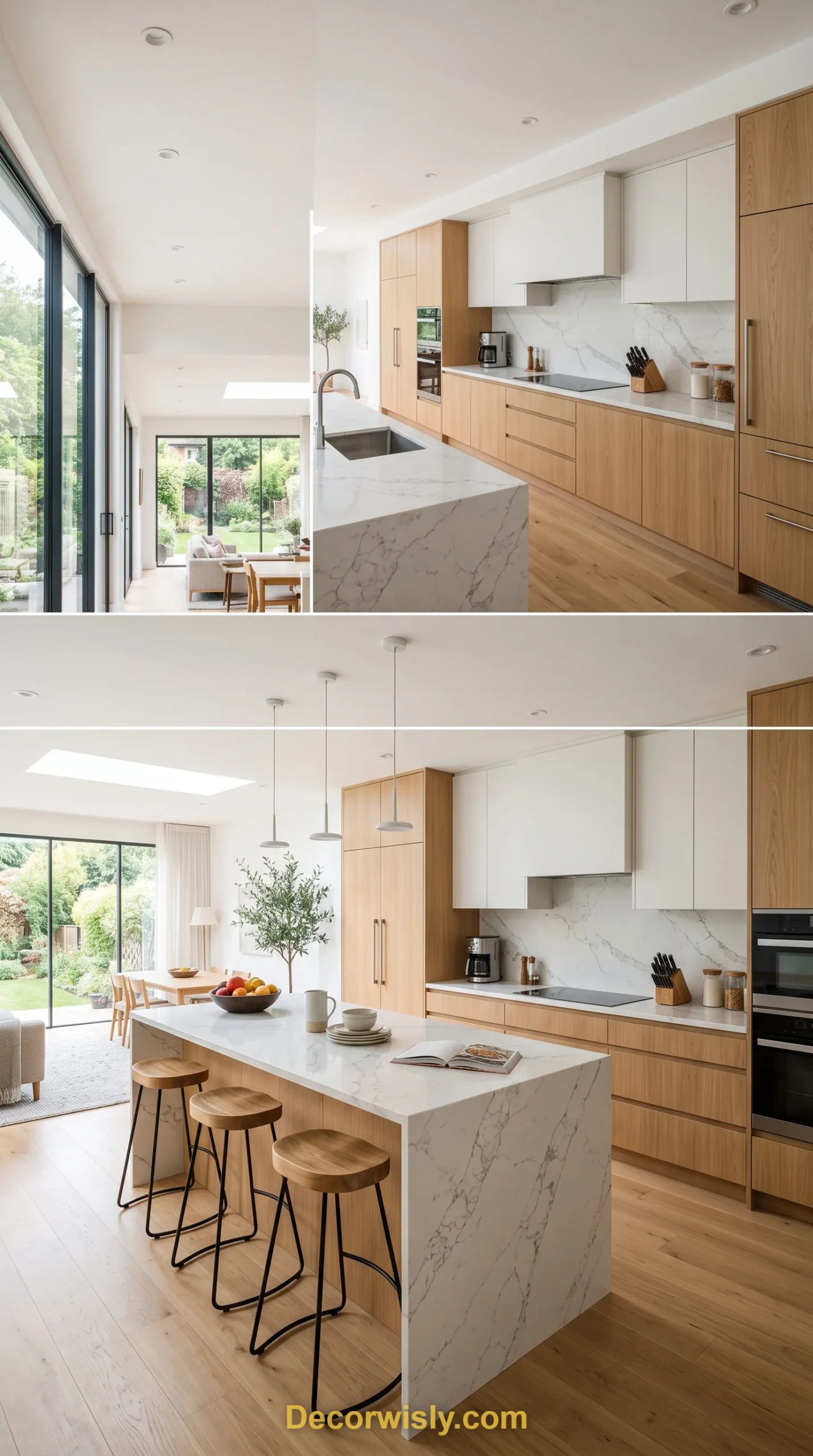
Because pattern and color repeat predictably across a slab, quartz creates a more unified look than natural stone, where every panel can vary. That consistency makes a kitchen feel more spacious and deliberately designed, especially when the countertop wraps around an island or connects multiple work zones.
22. A Genuine Upgrade to Daily Life
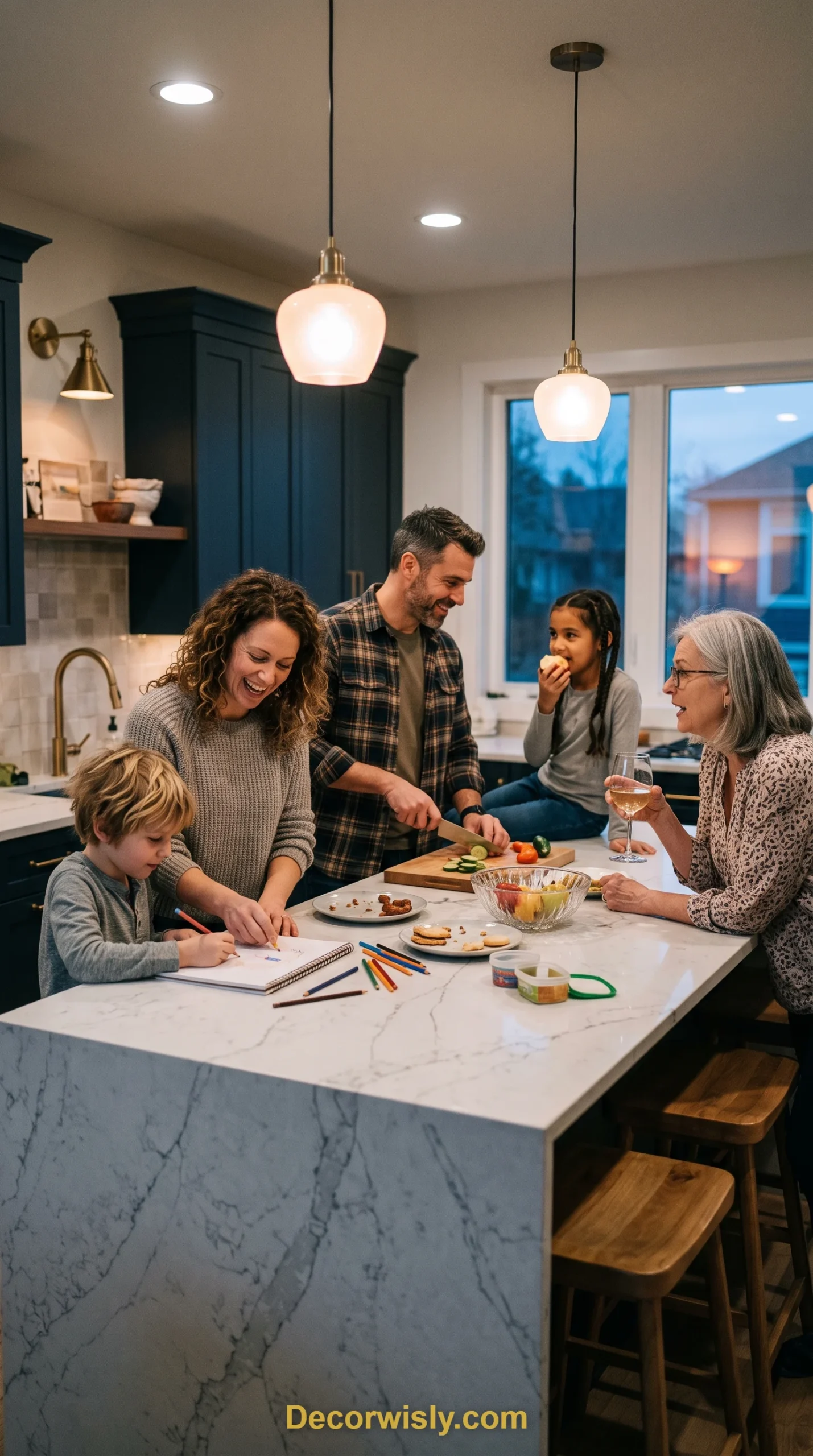
Past the practical checklist, a quartz countertop simply changes how a kitchen feels to use — cooking, cleaning up, and gathering around it all get a little easier when the surface underneath is doing its job well. That daily-use payoff is often what tips the decision more than any single feature on its own.
23. Edge Profiles Worth Considering
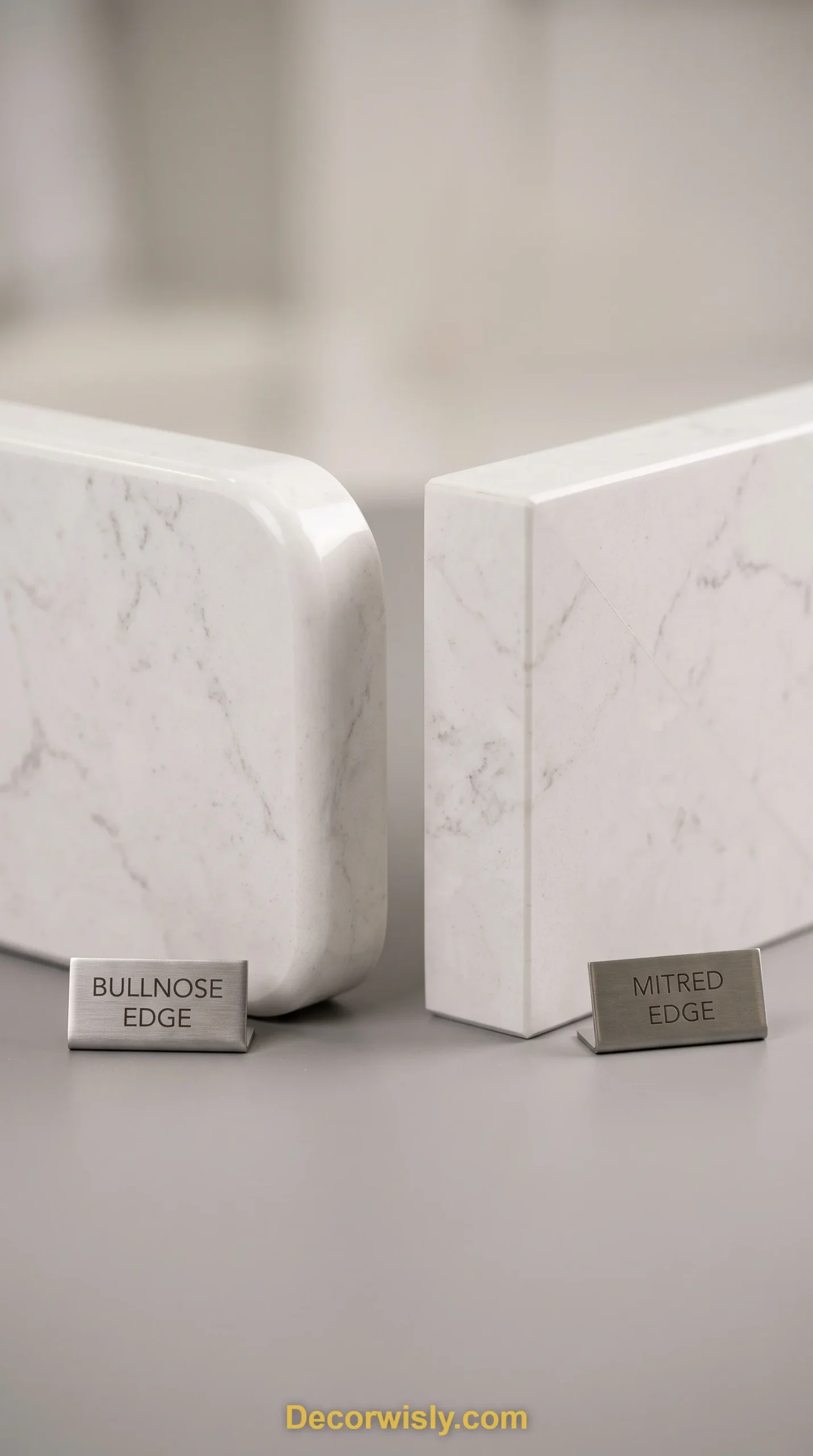
The edge you choose changes the whole character of a countertop more than most people expect. A simple eased or bullnose edge keeps things quiet and modern, while a mitred or ogee edge adds visual weight and a more traditional feel. It’s a small architectural decision with an outsized effect on how the kitchen reads.
24. Matte and Honed Finishes for a Softer Look
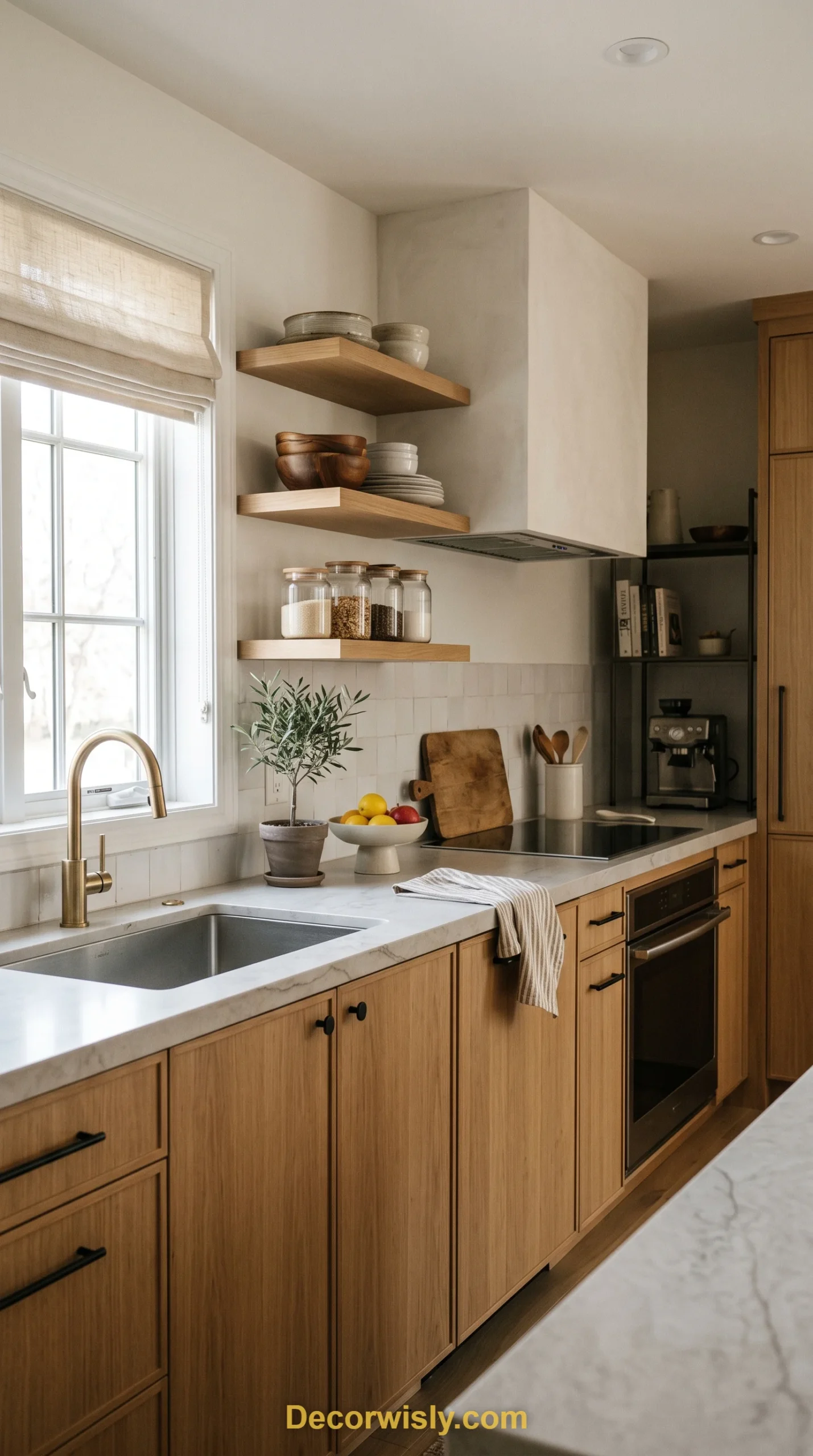
Not every kitchen wants the high shine of a polished slab. A honed or matte quartz finish gives the same durability with a softer, more subdued surface that hides fingerprints and light scuffs better, and it pairs particularly well with warm wood tones or a more rustic cabinetry style.
25. Large-Format Slabs for a Seamless Island
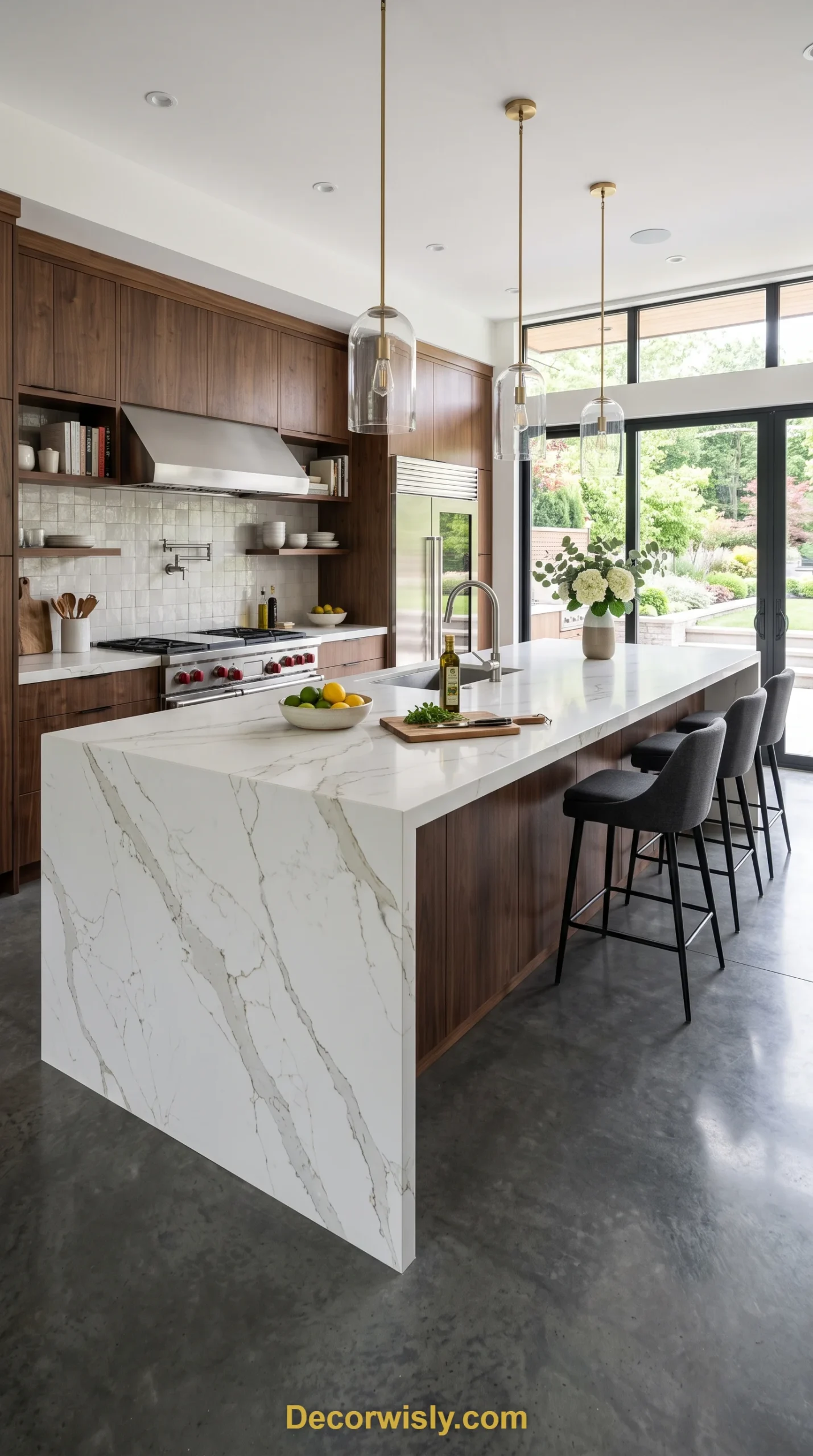
Oversized quartz slabs let a large island or long run of counter go without a visible seam, which reads as a genuine luxury detail in person. It takes more careful planning during fabrication, but the payoff is a countertop that looks like one continuous piece of stone rather than several panels joined together.
Final Thoughts
Quartz earns its popularity honestly: it looks close to natural stone, resists nearly everything a kitchen throws at it, and asks for almost nothing in return. The real decision isn’t whether to choose quartz — it’s which color, finish, and edge profile actually fit the kitchen you’re building. Use these 25 angles as a starting checklist, and let the details, not just the material, guide the final choice.